- History and culture
- 4 days
Menorca history route
From prehistory to the 19th century, crossing the island from east to west: the Talayotic villages (World Heritage since 2023), the British hospital on the Illa del Rei, La Mola fortress, the caves of Cales Coves and the Naveta des Tudons, ending at Ciutadella cathedral.
Overview
- Length
- 4 days
- Activity level
- Moderate walking visits to open-air sites and museums
- Type of experience
- History and culture, Beaches and coves
Itinerary
Day 1Maó: talayots, museum and Illa del Rei
Morning
09:30–10:30
Maó
Morning
11:00–13:00
Maó
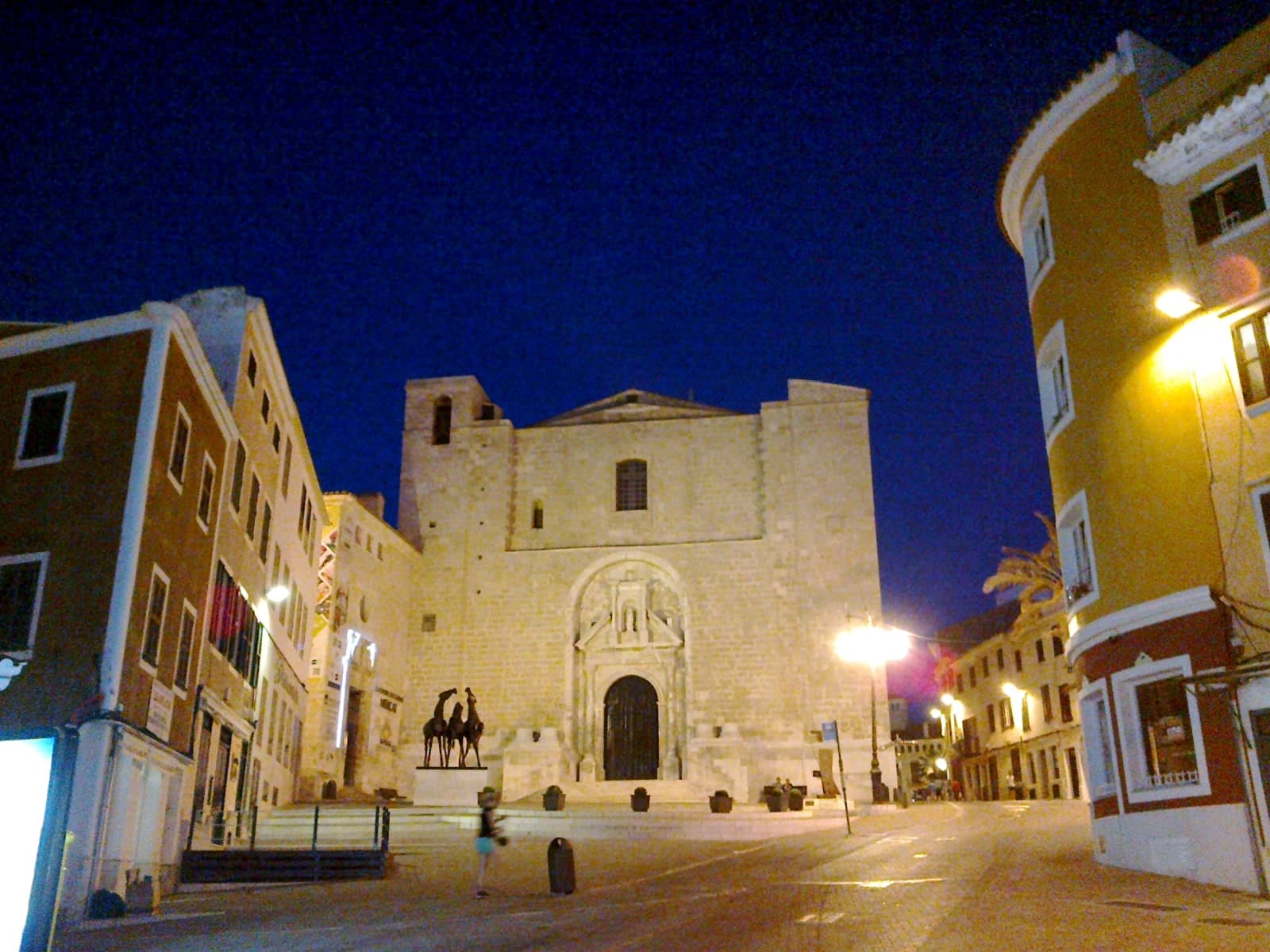
Midday
13:15–15:00
Maó
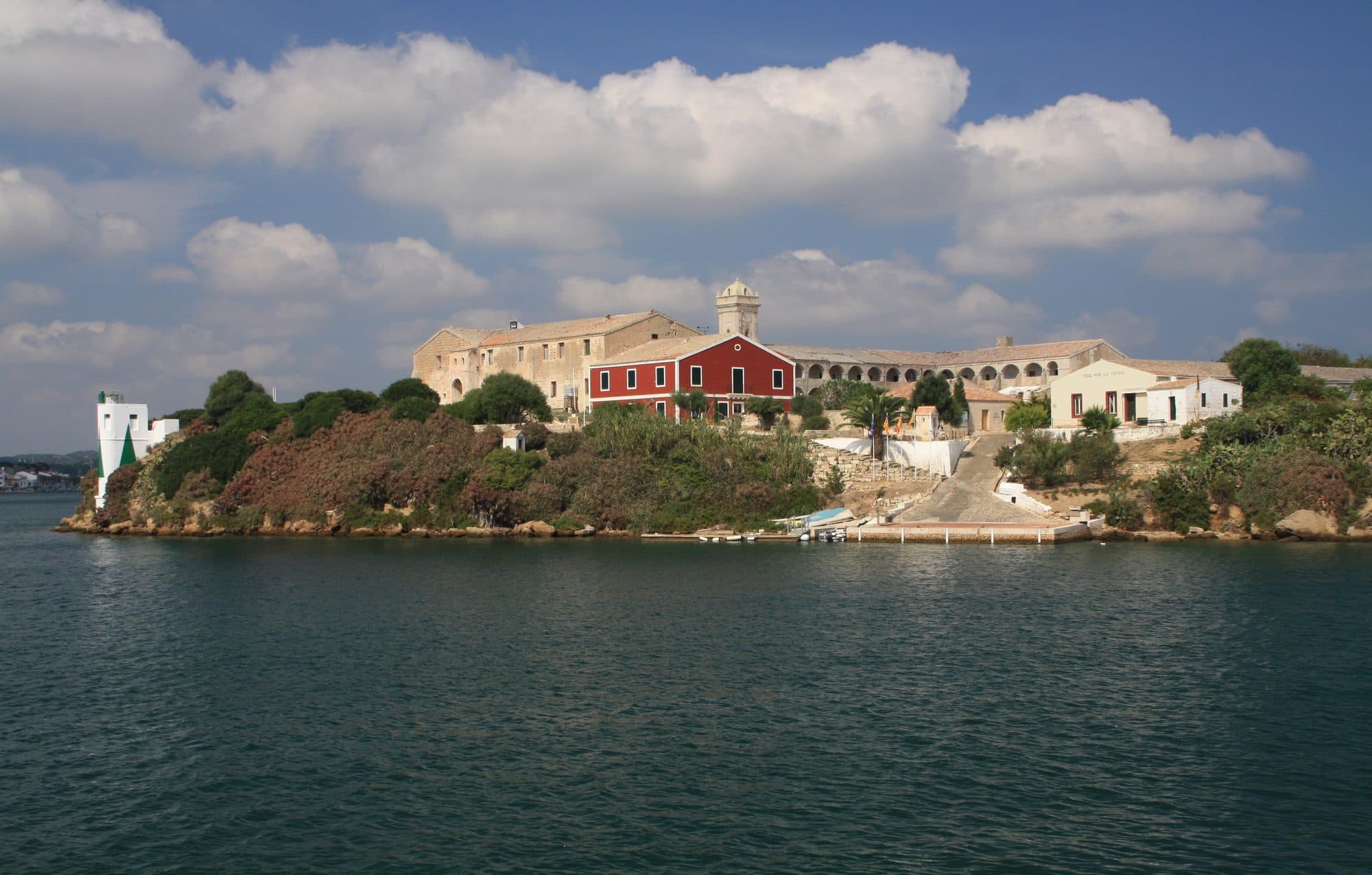
Afternoon
15:30–18:00
Maó
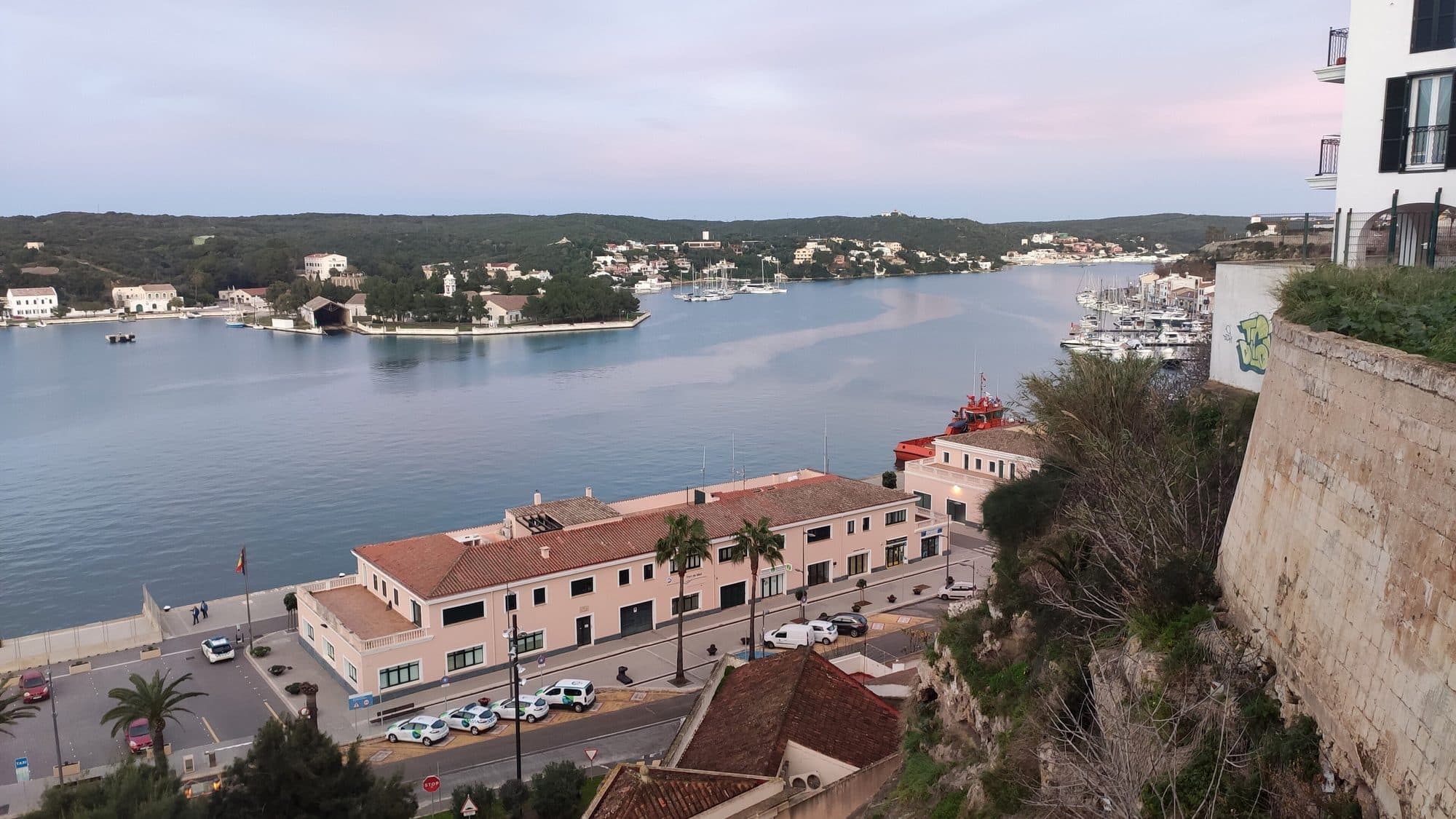
Evening
20:30–22:30
Maó
Days 2 to 4 are in the full itinerary
You get them when you buy, with every place card.
What you get when you buy
- Add it to your cart and pay by card, Apple Pay, Google Pay or other available methods. No account needed.
- You instantly receive an email with the link to your online itinerary: open it on your phone during the trip and mark each place as visited or not.
- The same email includes the PDF with every detail: times, how to get there by car or bus, where to eat, a rainy-day plan and a card for each place. It works offline.
A look inside the PDF
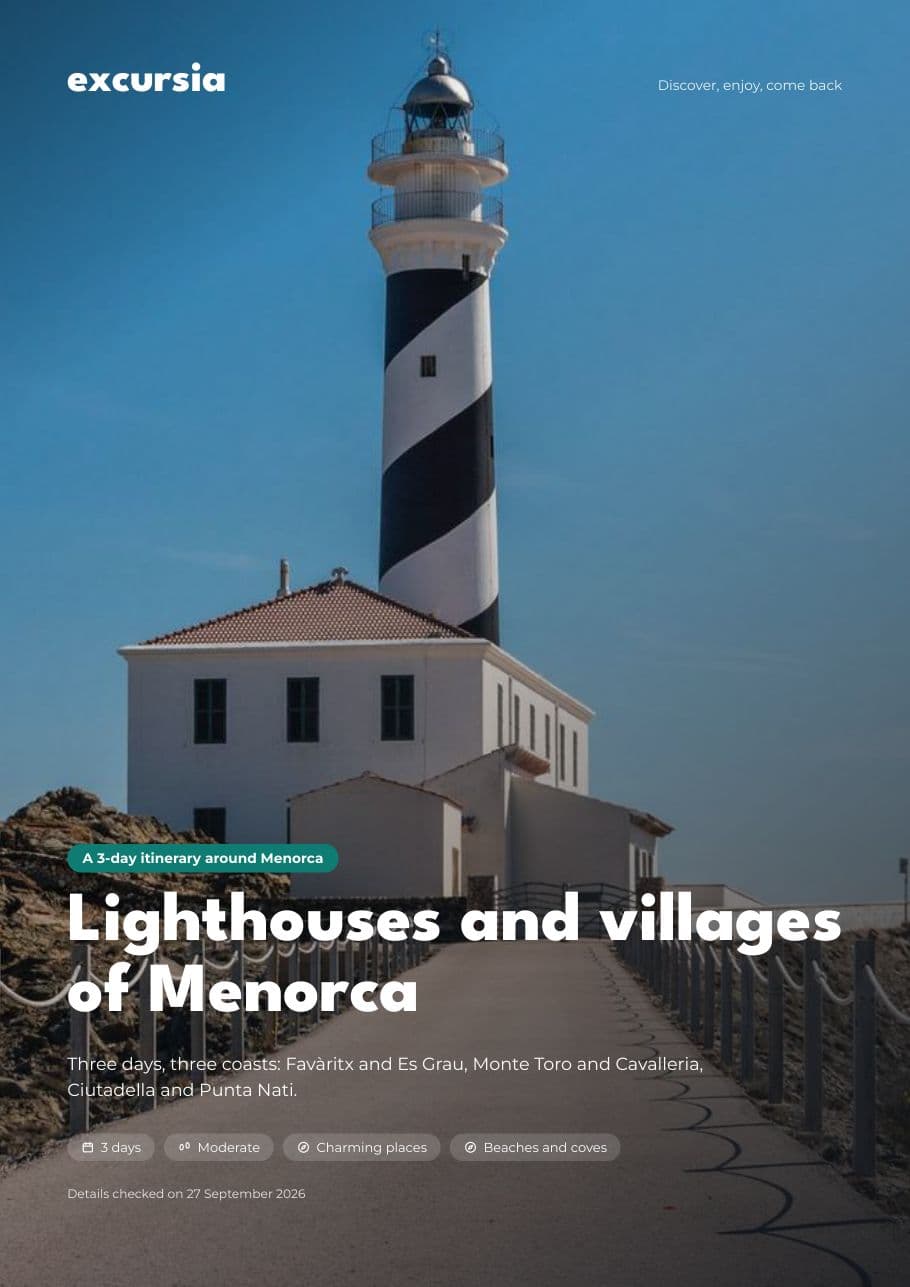 Cover
Cover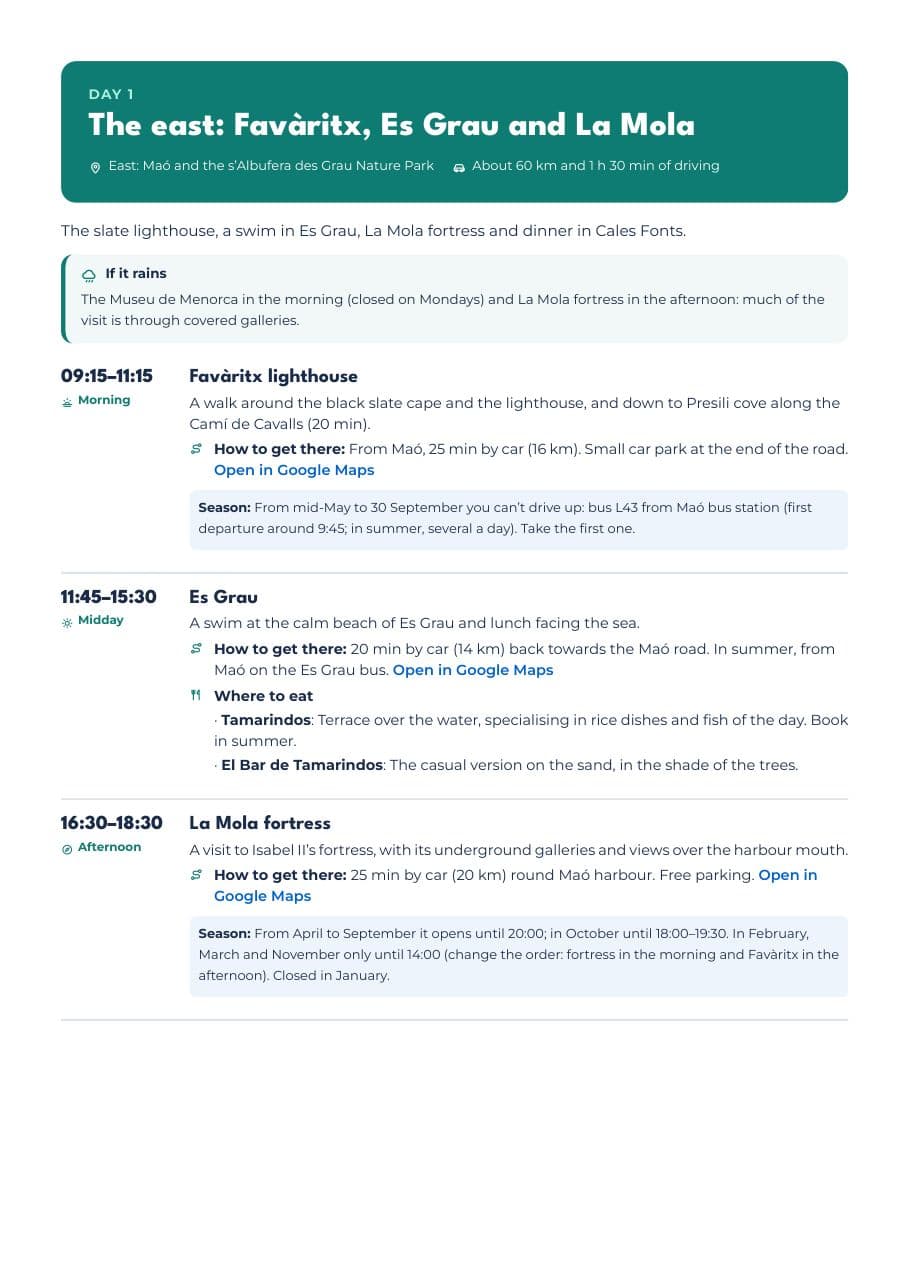 Each day, with times
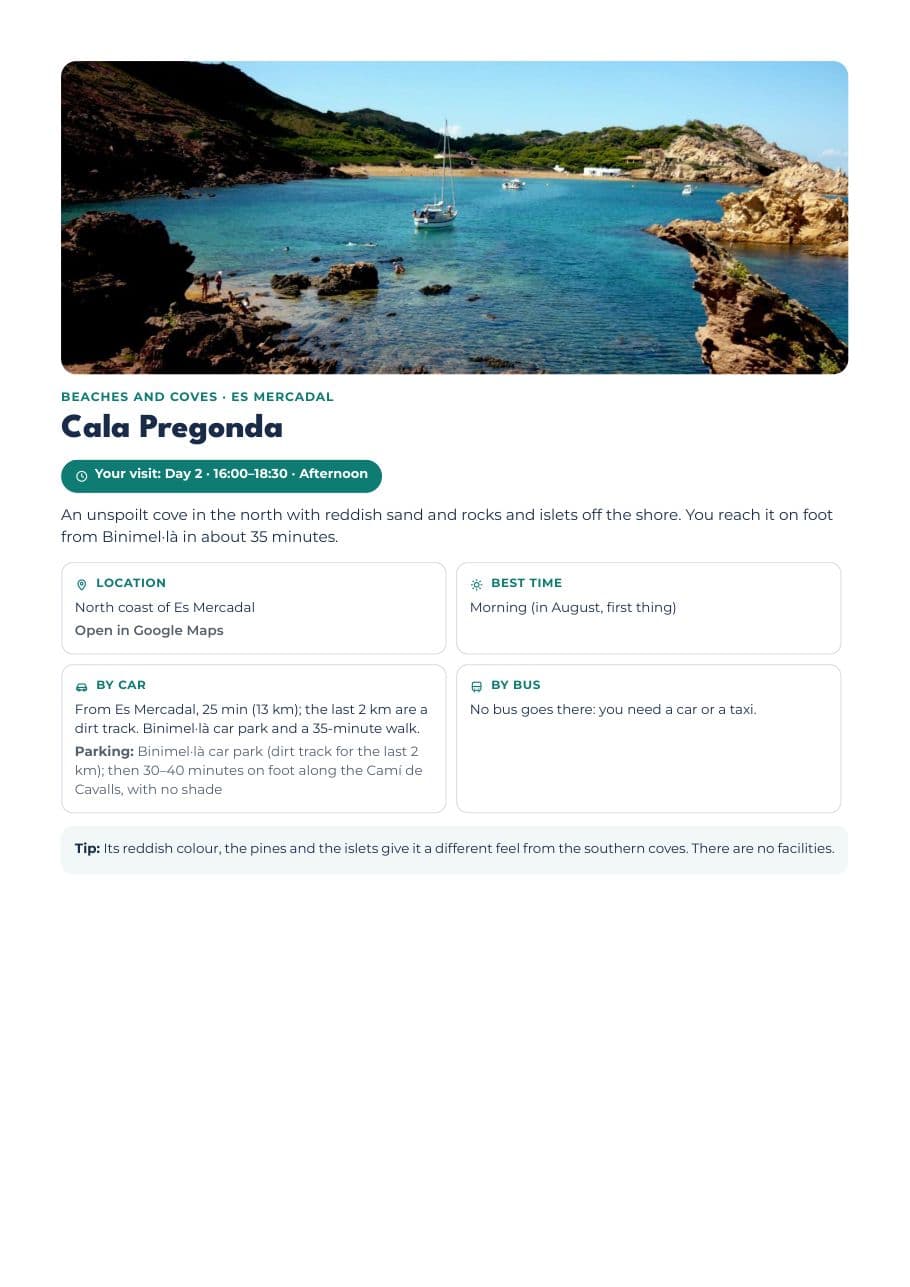 A card for each place
 Phone numbers and tips
As digital content delivered instantly, it cannot be withdrawn from once delivered. How refunds work.
What’s included
- A plan for every day with approximate times, from morning to night
- Online itinerary to mark each place as visited during your trip
- Downloadable PDF with every detail, to use offline too
- How to get from one stop to the next: time, distance, parking and bus
- Several places to eat in each area, in case one is full
- An indoor alternative for rainy days
- Summer and winter opening hours and access restrictions
- A card for each place with the day and time of your visit, car parks and bus lines
- Entry prices and free-entry seasons of every site
Places you’ll visit
Tap a place to see its card without leaving the itinerary.
History and culture
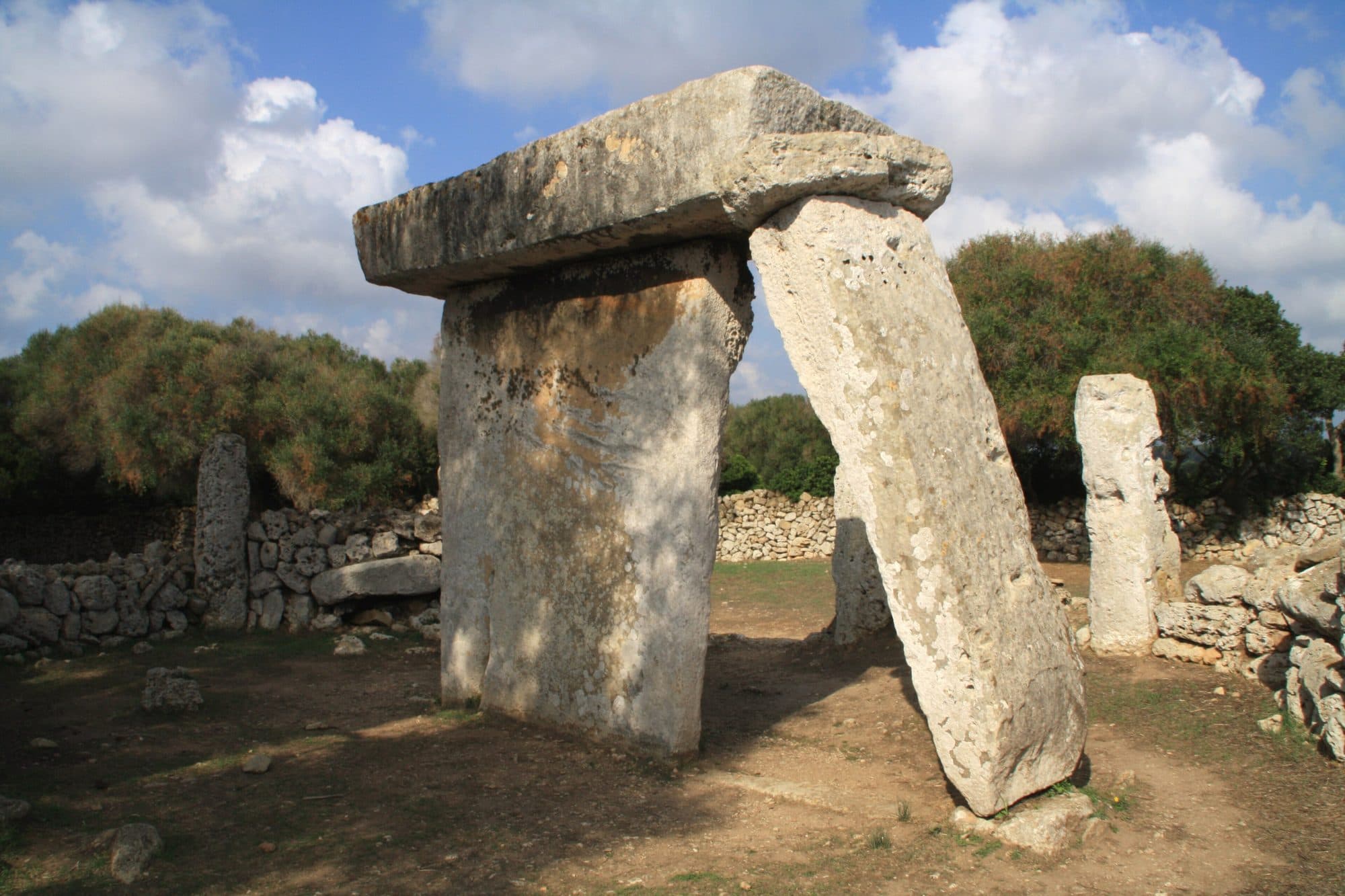
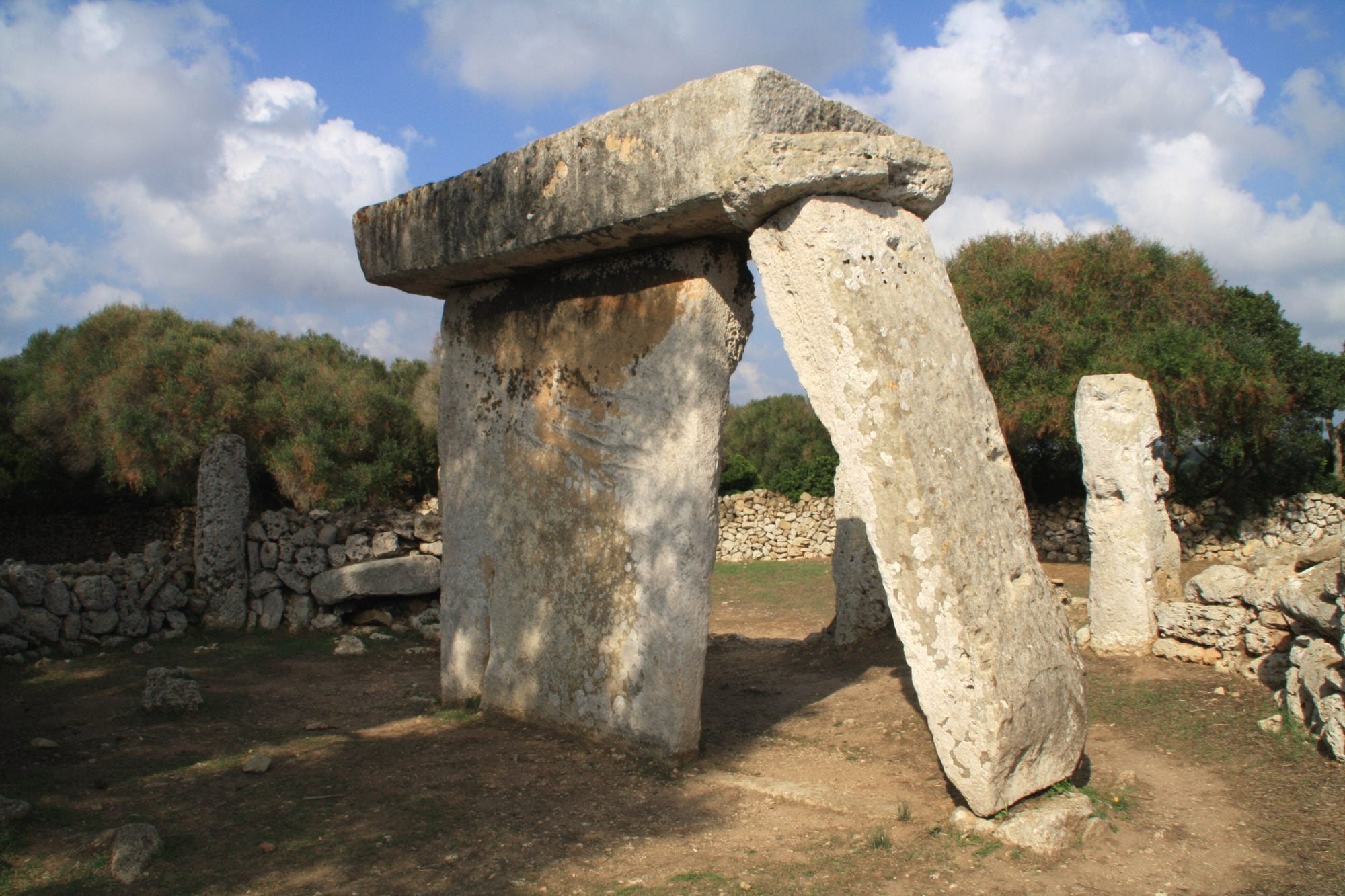
A Talayotic village 4 km from Maó among wild olive trees, with a very unusual taula: a column leaning against it that has kept its balance for centuries.
History and culture
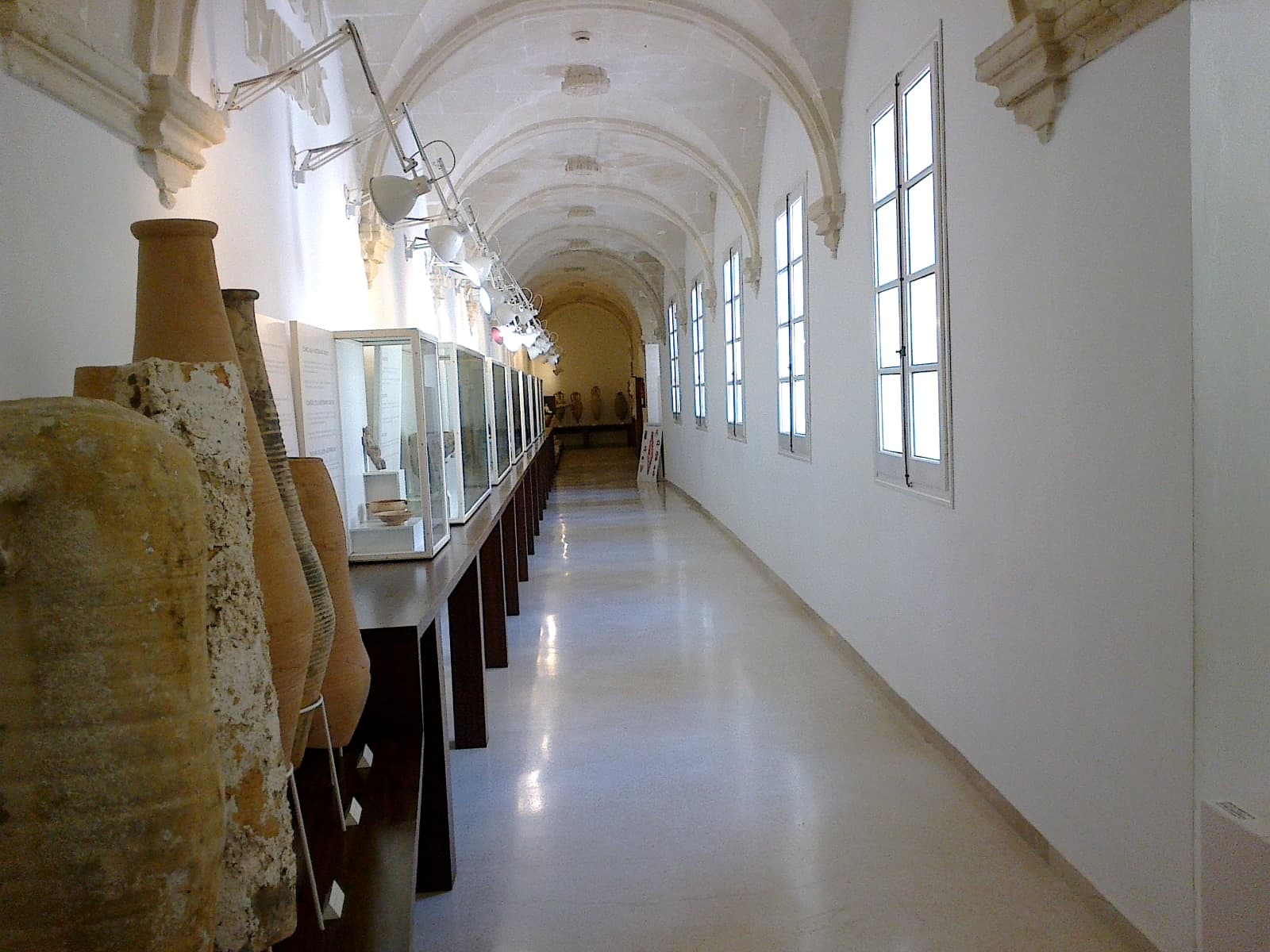
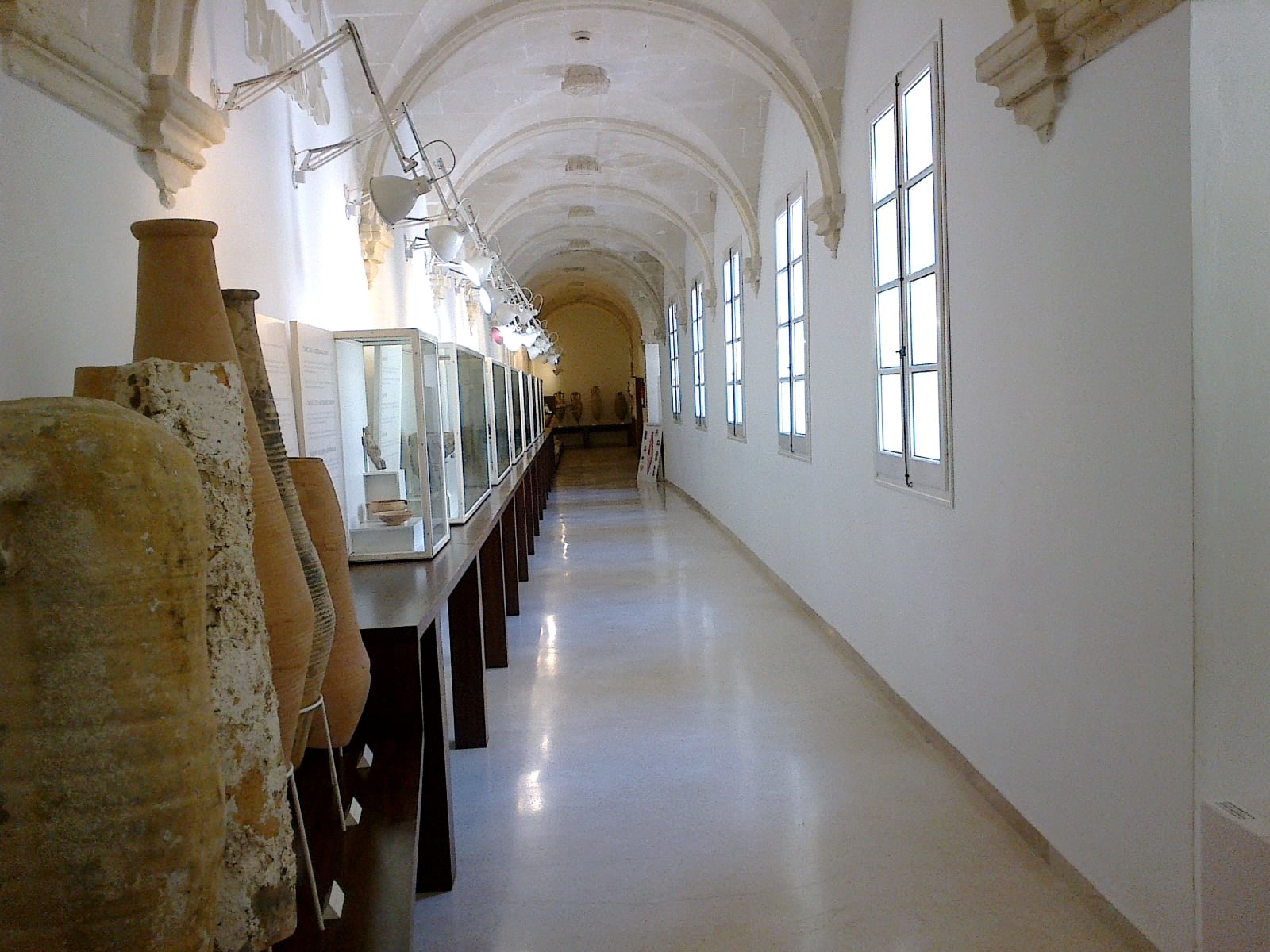
The reference museum for Menorca’s prehistory and history, in the former convent of Sant Francesc in Maó. Ideal for understanding the island before exploring it, and for a rainy day too.
Food and local markets
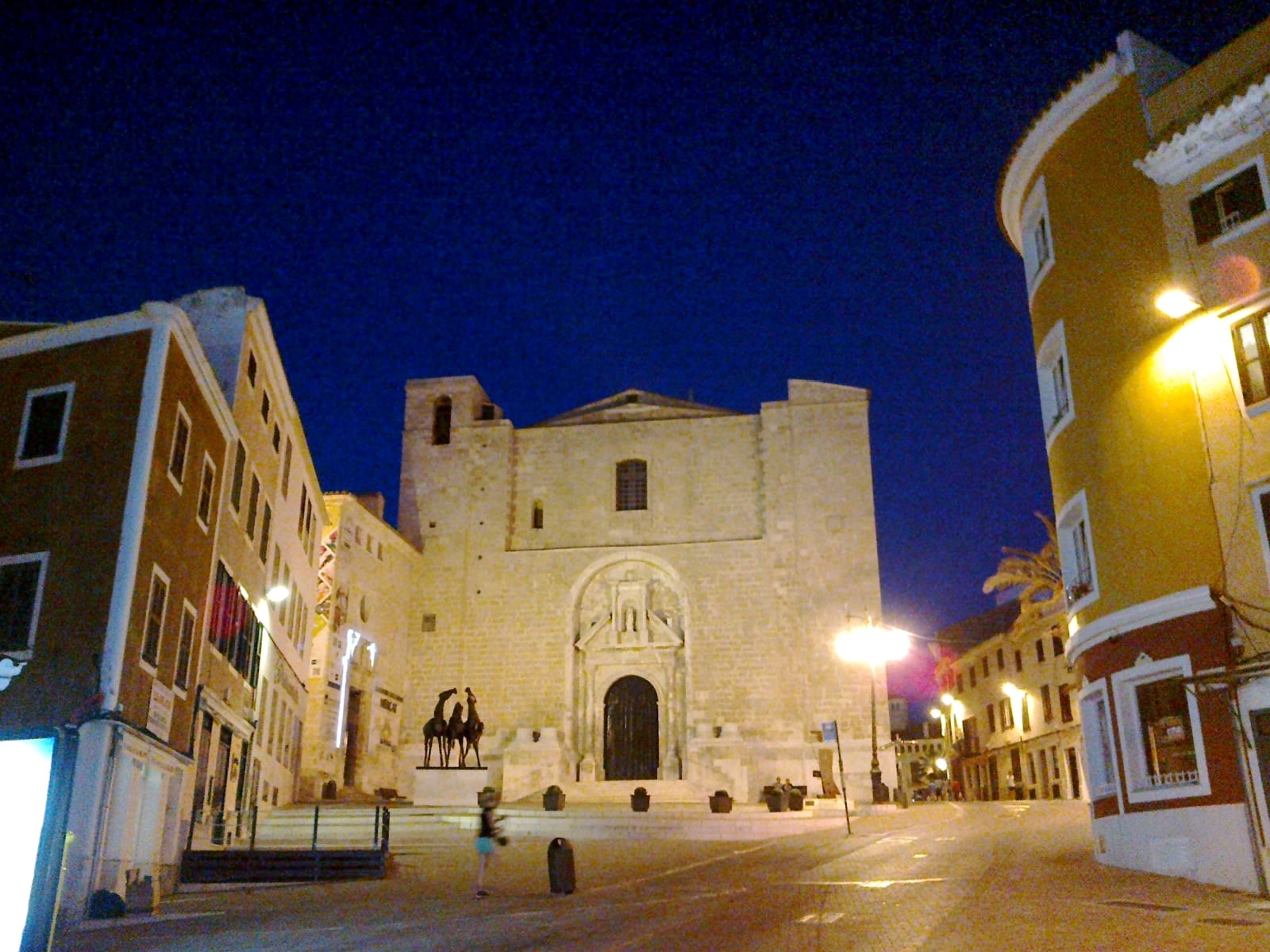
Maó’s market, in the cloister of the former Carme convent, with stalls of local produce; next door, the fish market with tapas counters.
History and culture
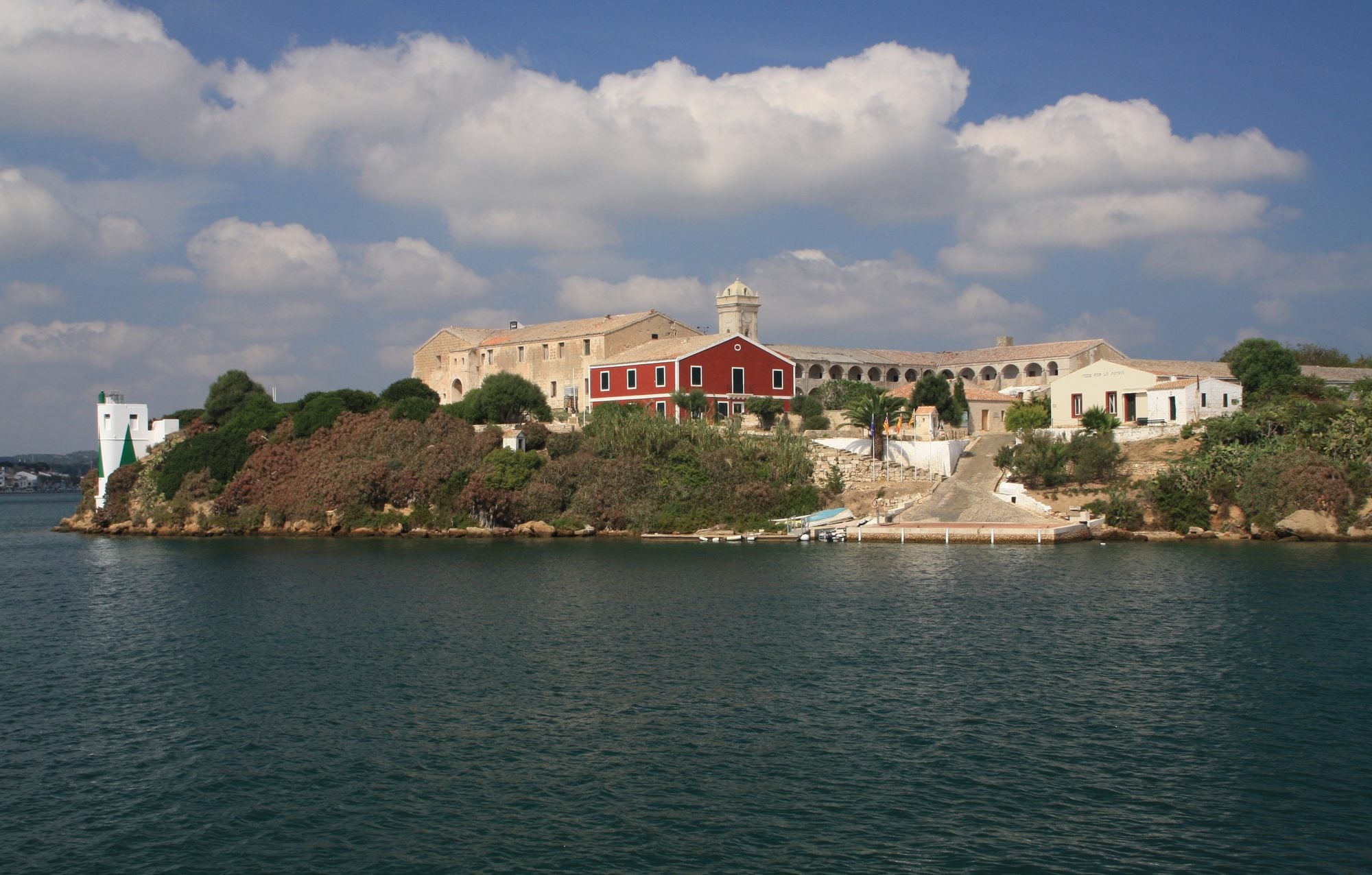
An island in Maó harbour with an old British military hospital turned into a museum, an early Christian basilica and the Hauser & Wirth art centre.
History and culture
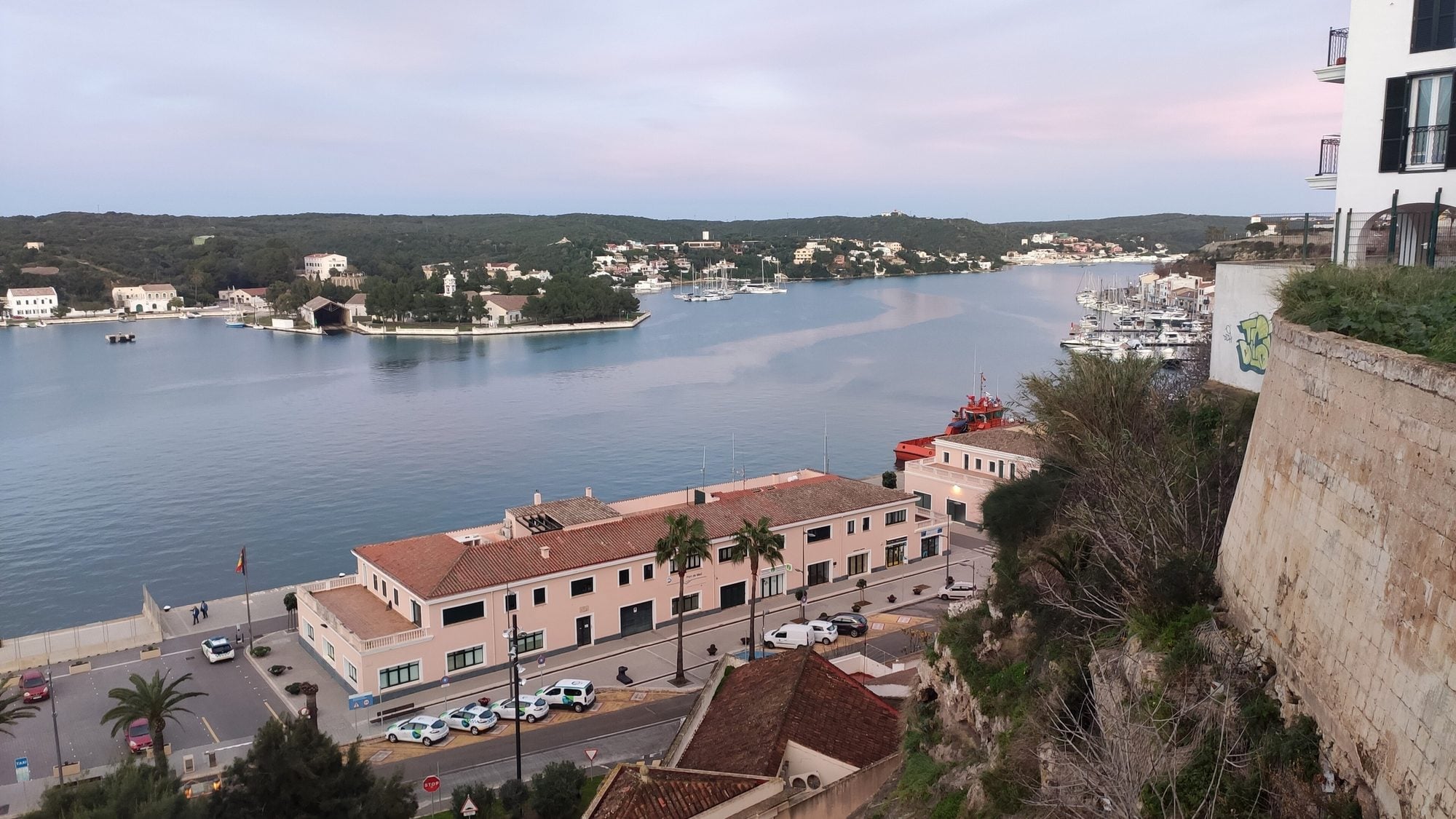
Menorca’s capital overlooks one of the largest natural harbours in the Mediterranean. Above, the historic centre; below, the Moll de Ponent with restaurants and bars.
History and culture
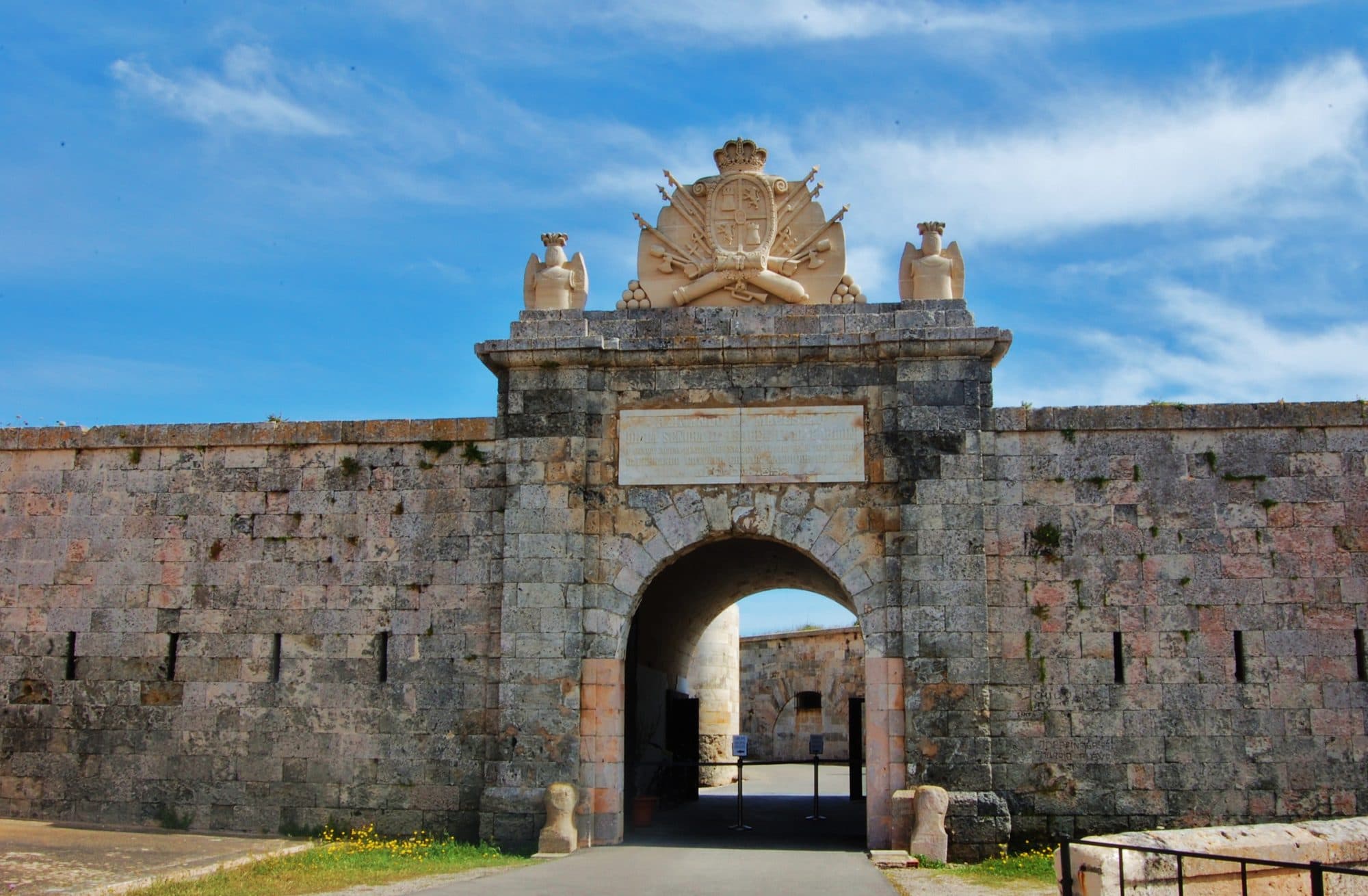
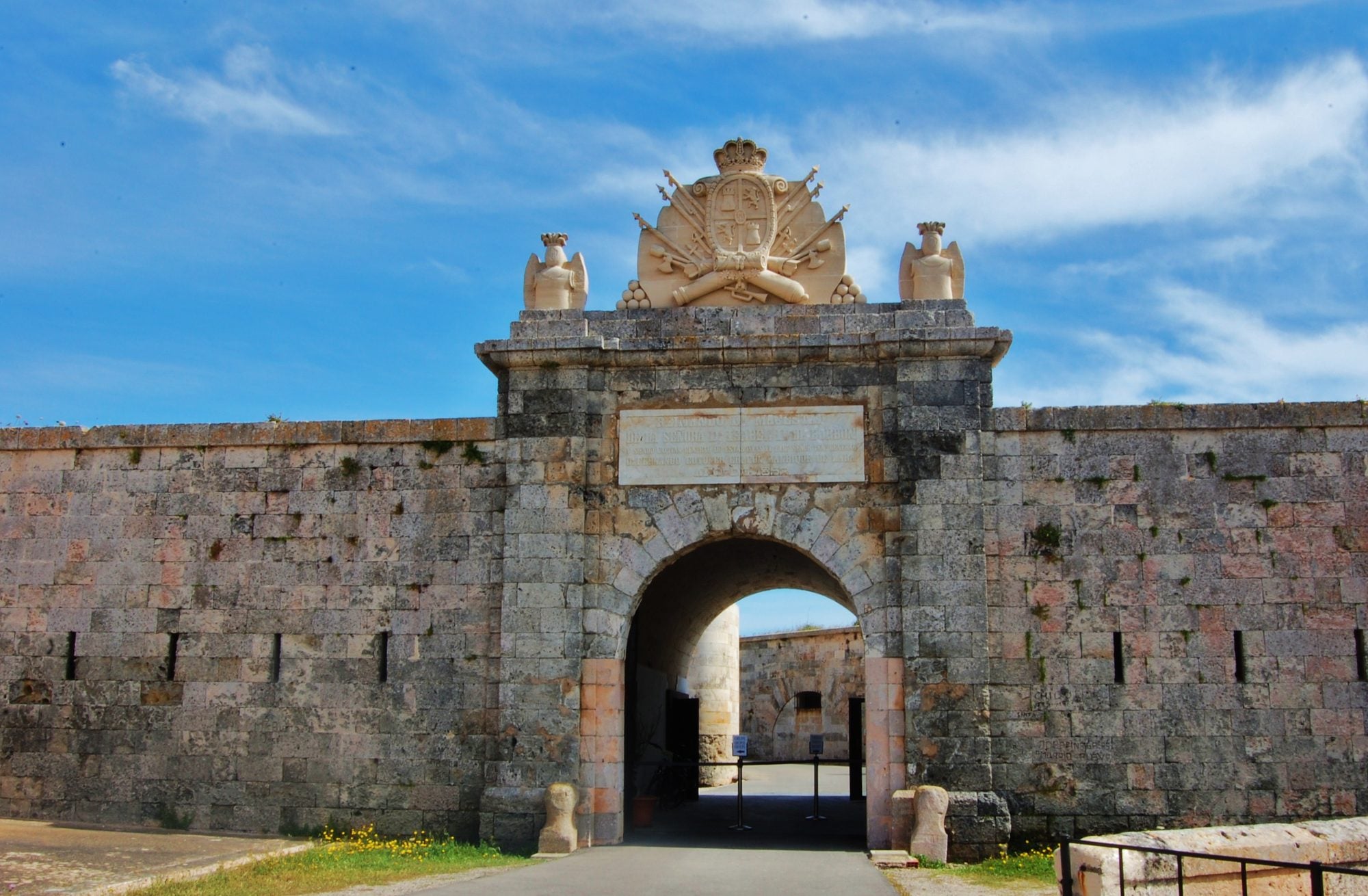
Isabel II’s fortress, built in the 19th century to defend the entrance to Maó harbour. Underground galleries, bastions and a large Vavasseur gun at Spain’s easternmost point.
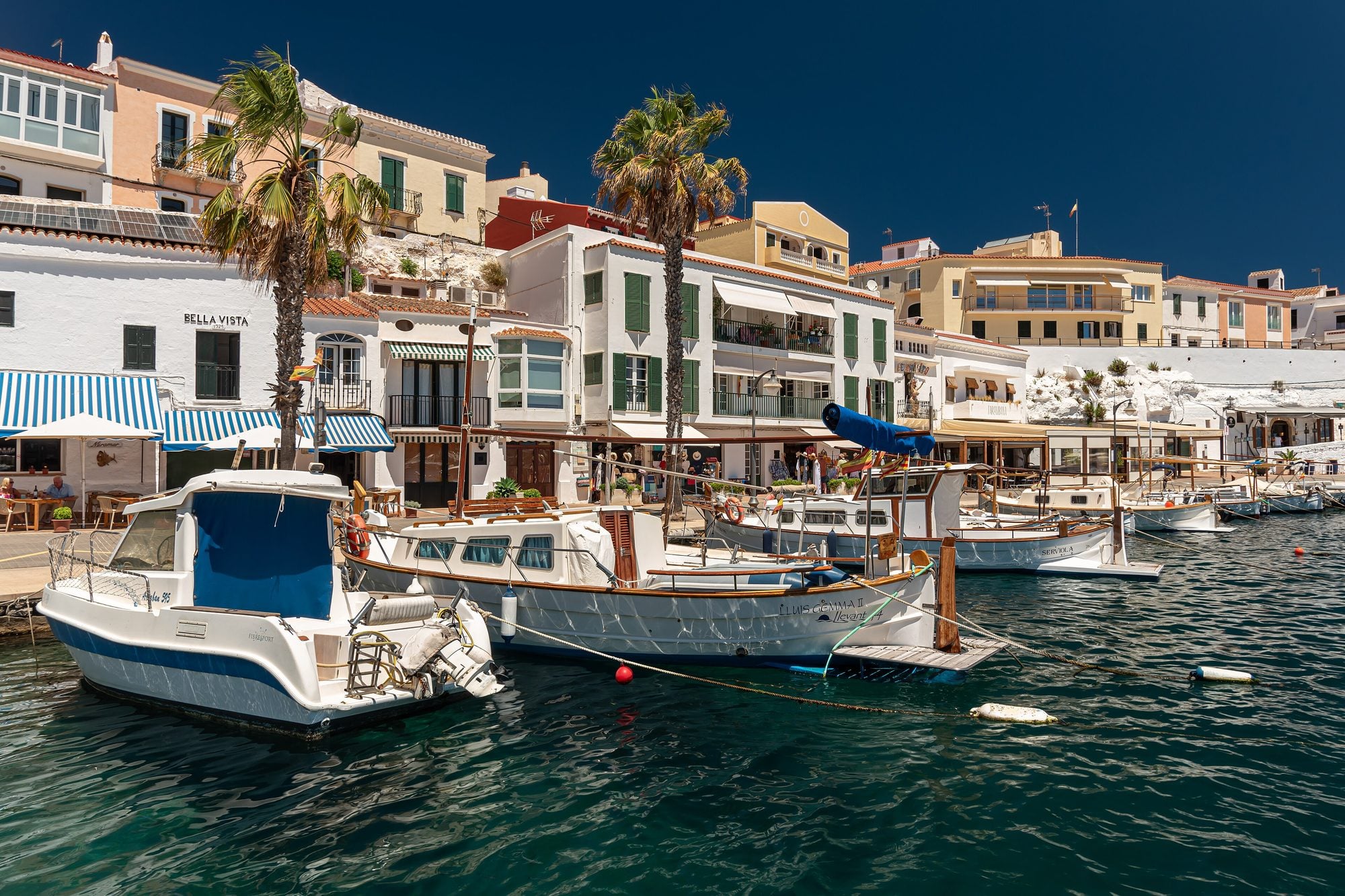
Charming places
The little harbour of Es Castell, at the mouth of Maó harbour: old fishermen’s caves turned into restaurants with tables by the water.
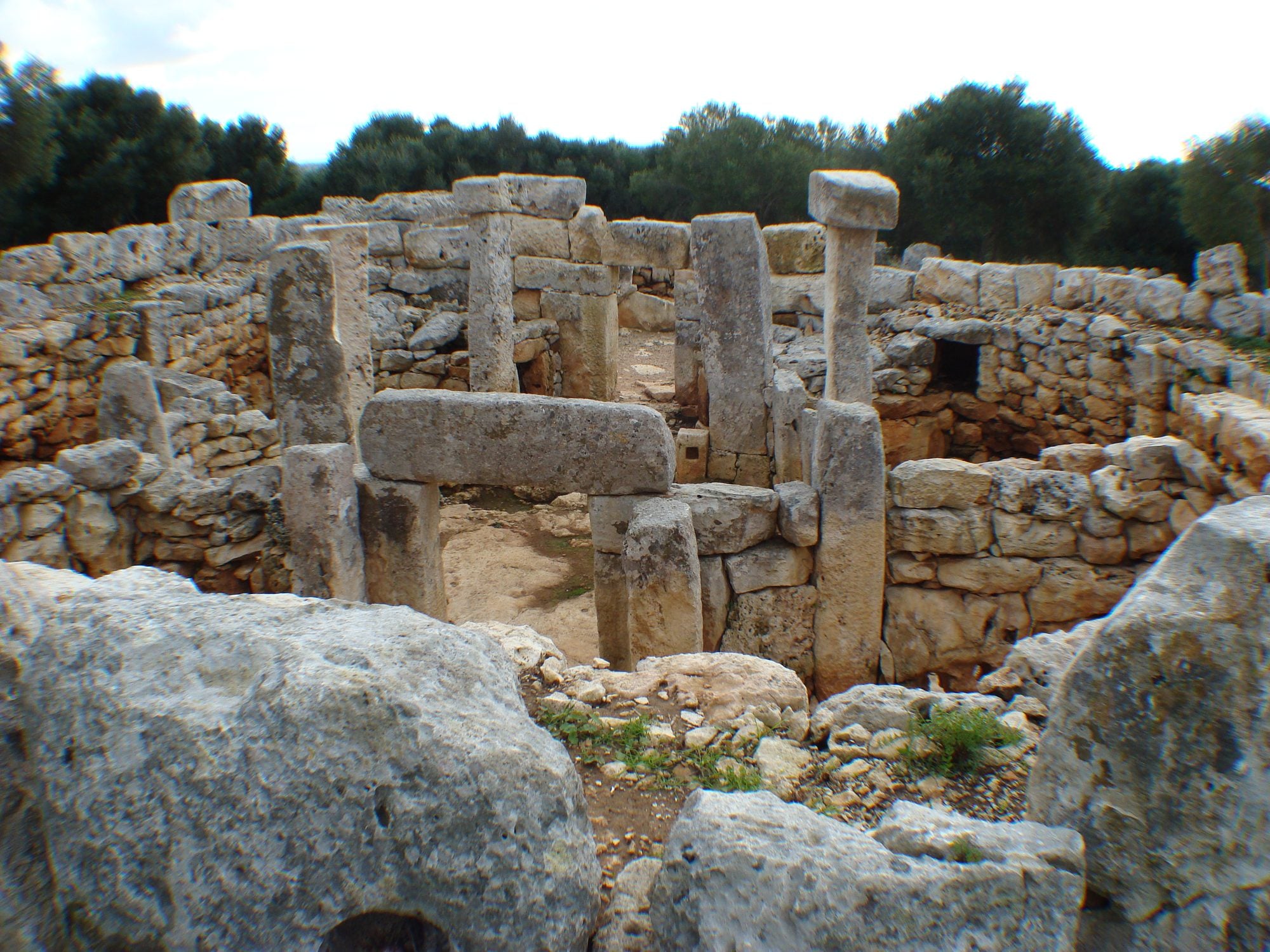
History and culture
One of the largest Talayotic villages in the Balearics, with three talayots, a taula enclosure, houses and a water-collection system. It has a visitor centre.
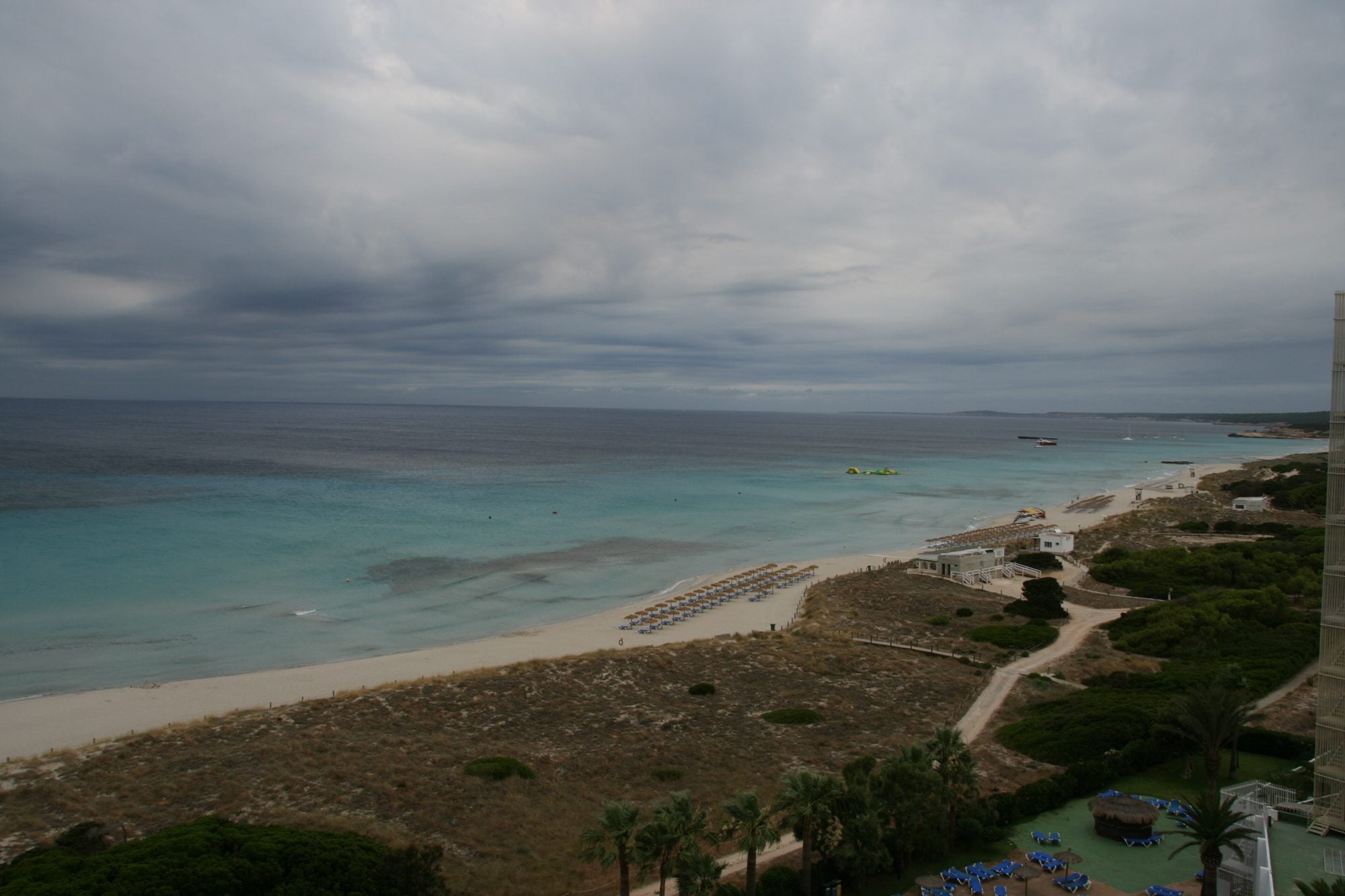
Beaches and coves
Menorca’s longest beach, with almost 3 km of sand, dunes and the remains of an early Christian basilica by the shore.
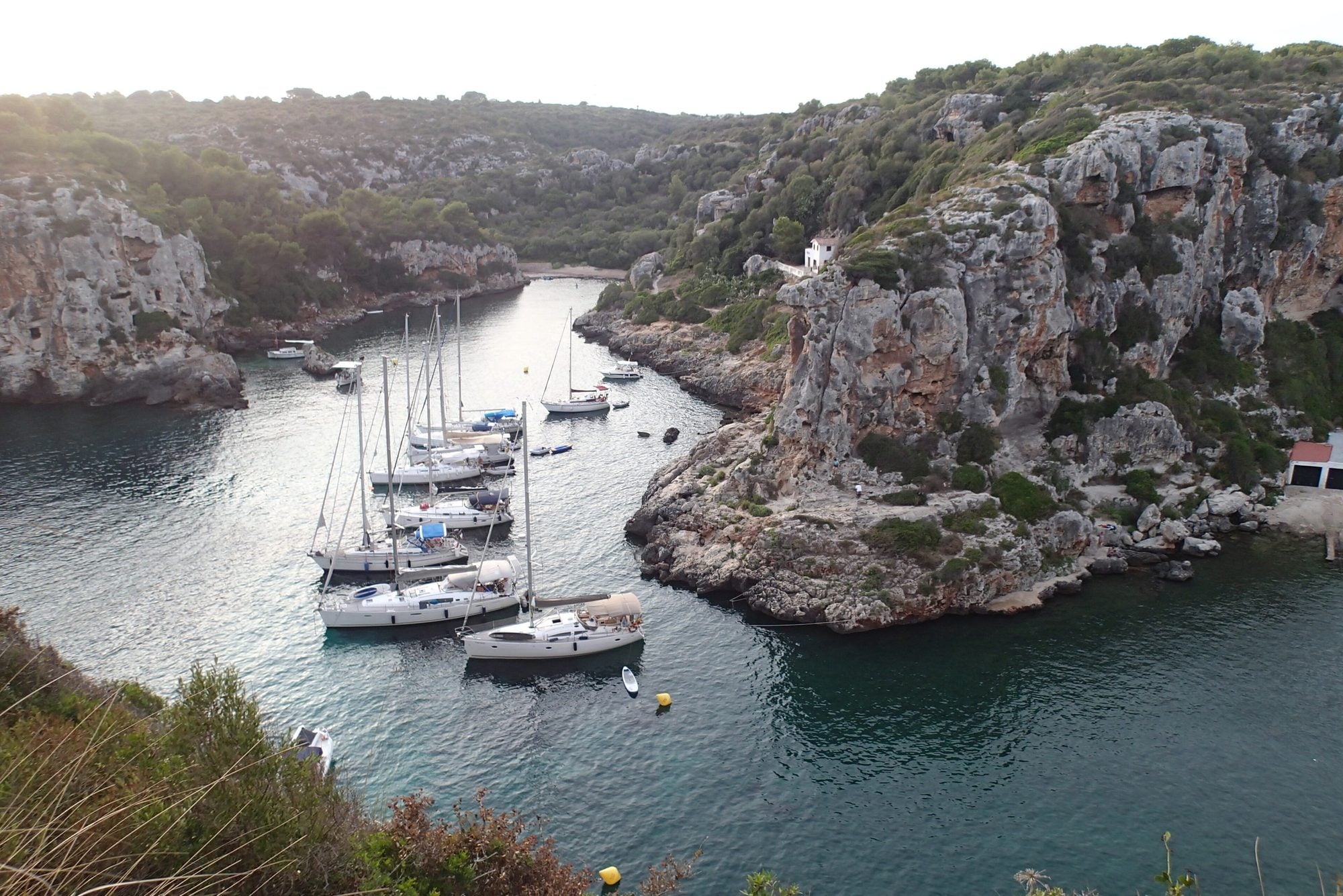
History and culture
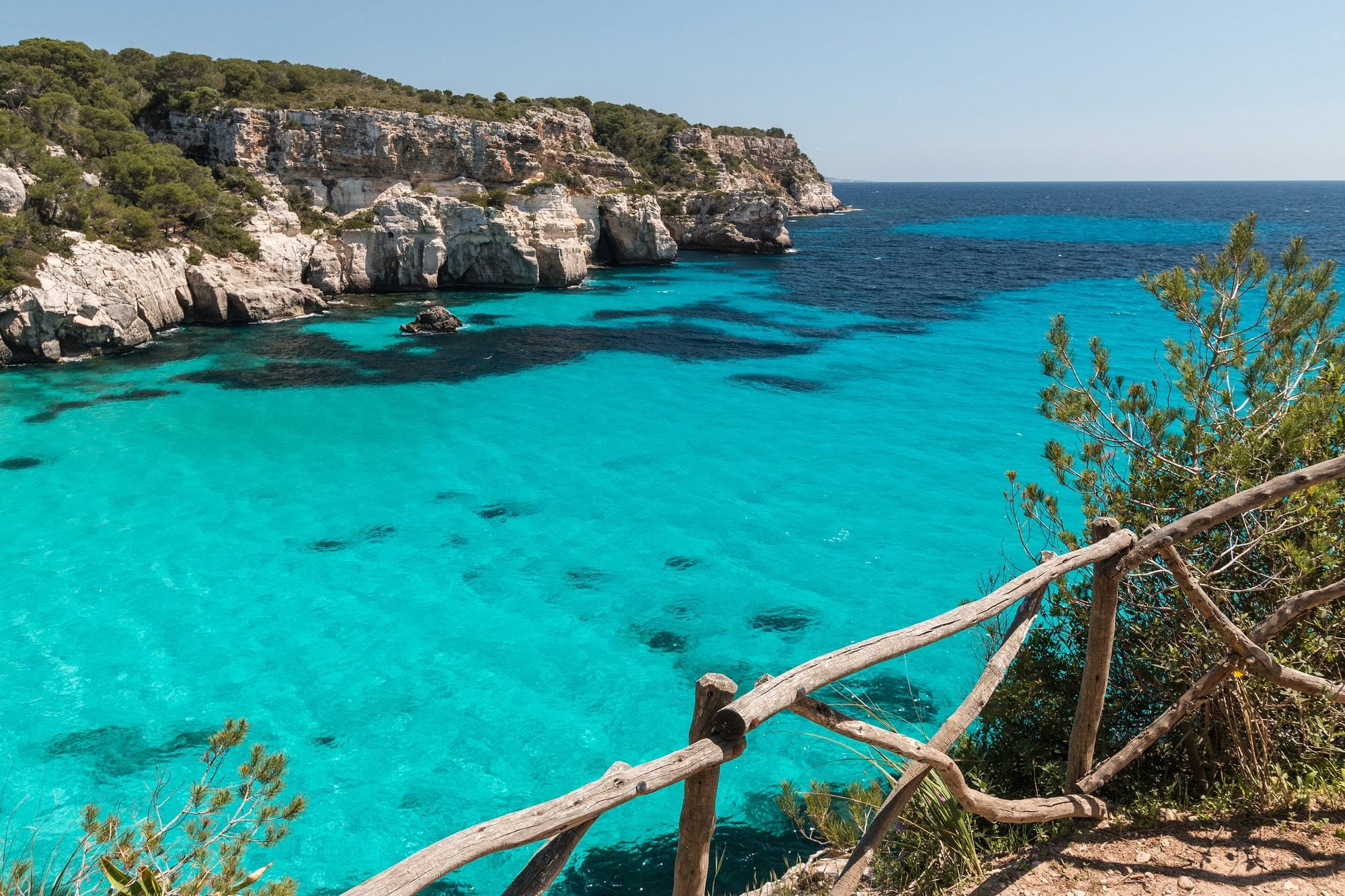
Menorca’s largest prehistoric necropolis: about 90 burial caves carved into the cliffs of two joined coves, reached on foot.
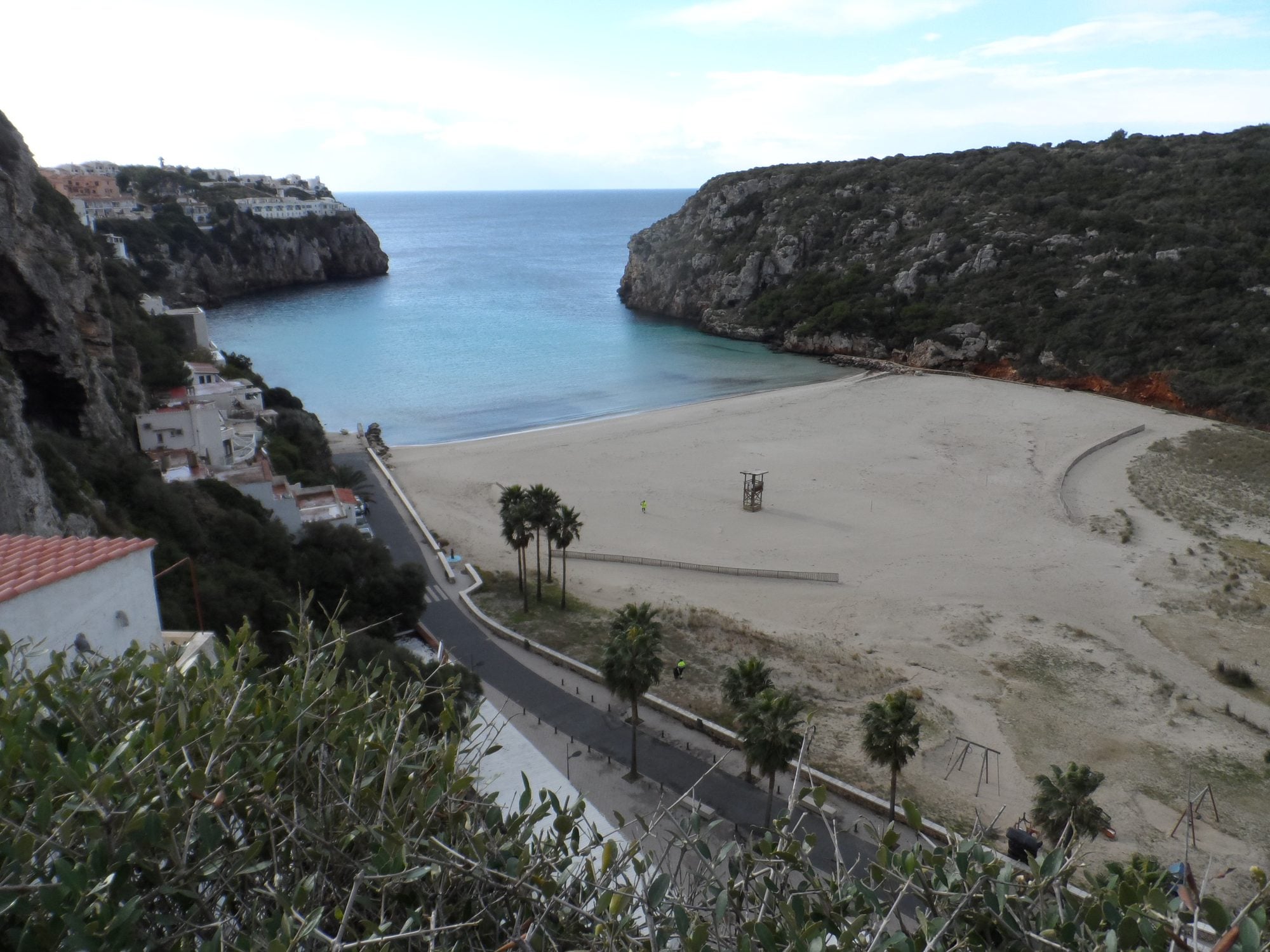
Beaches and coves
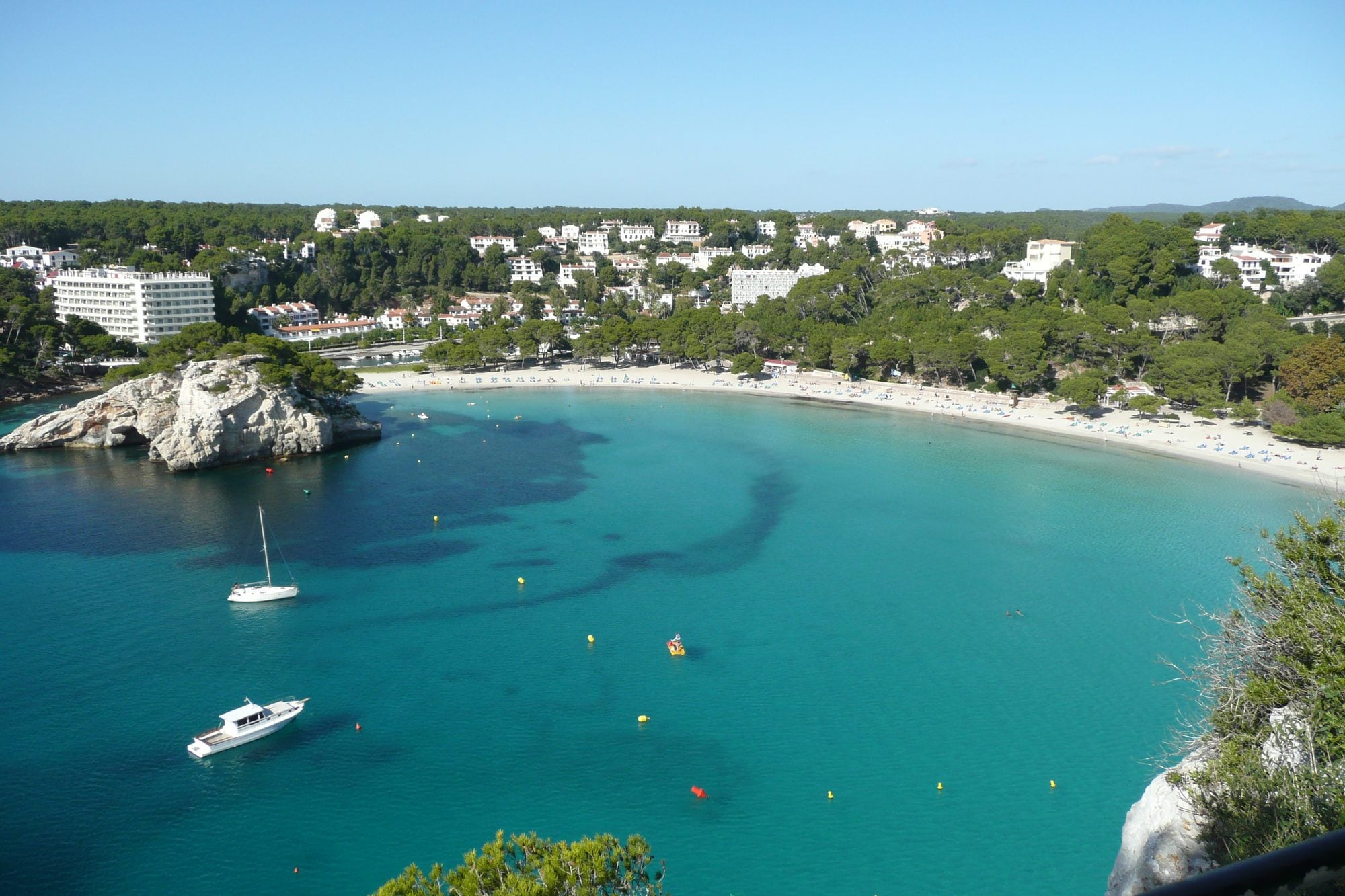
A sandy beach between two high cliffs, with facilities, on Alaior’s south coast. The Cova d’en Xoroi is in one of the cliffs.
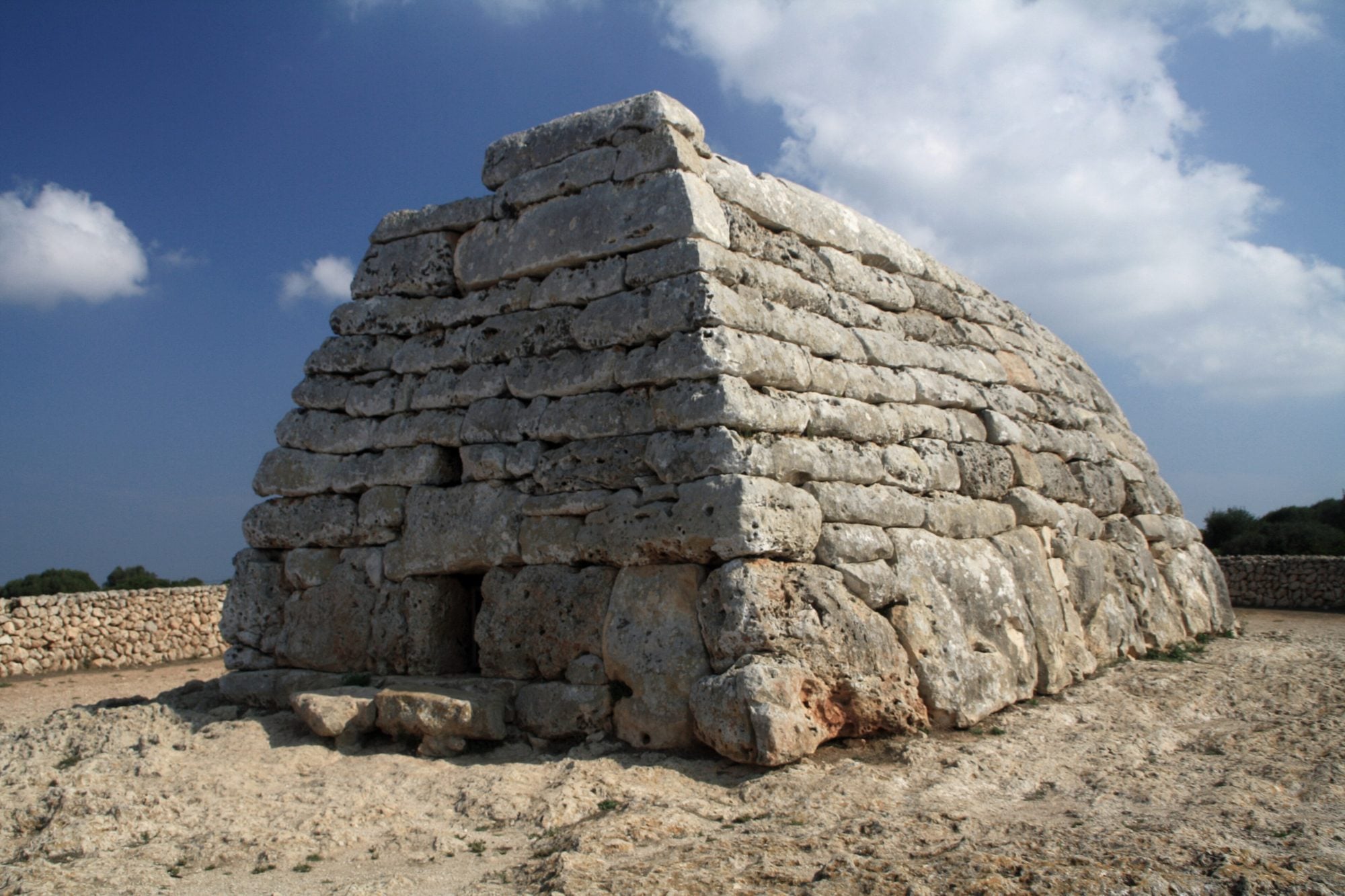
History and culture
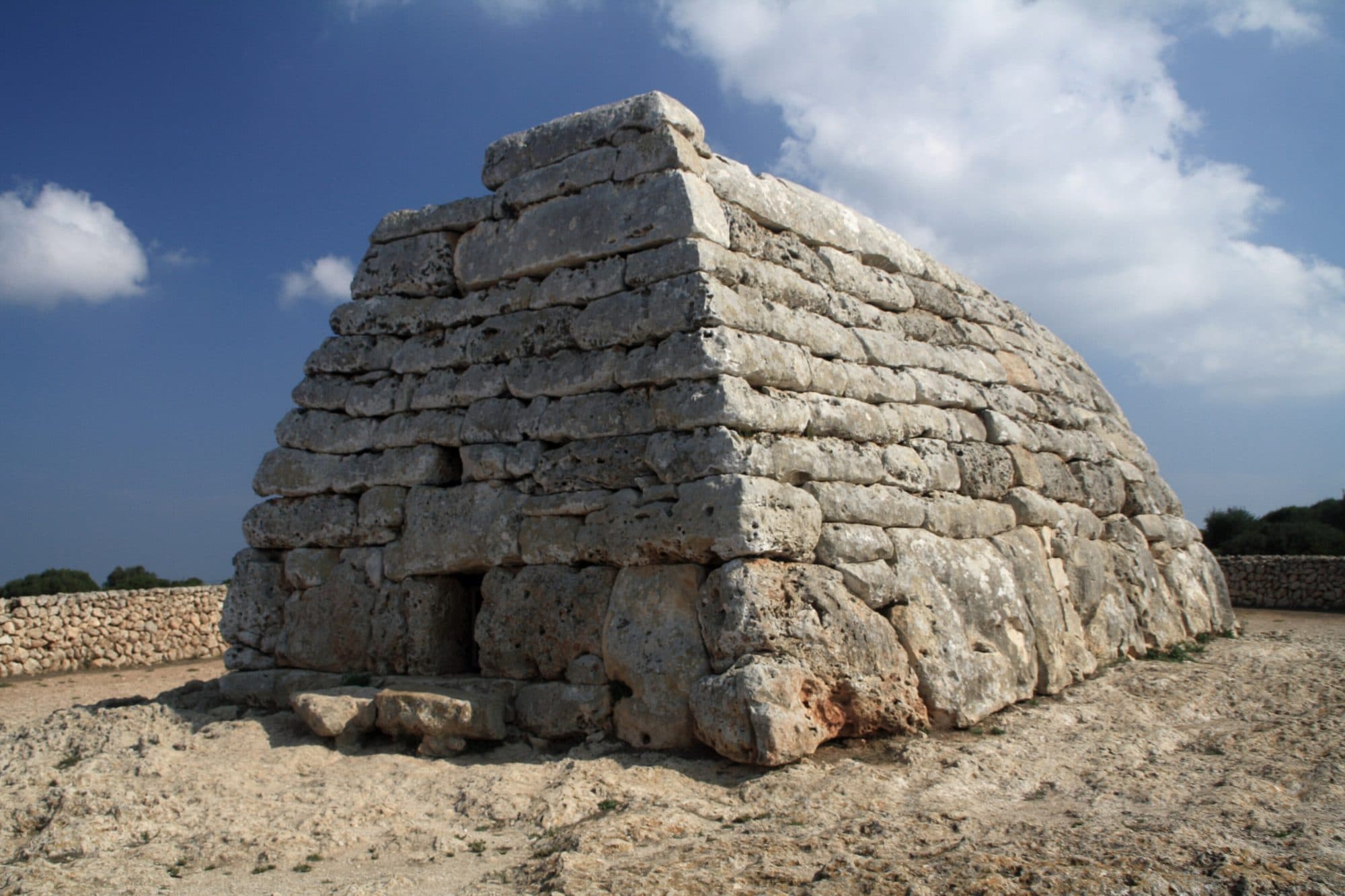
A collective tomb shaped like an upturned boat, used roughly between 1200 and 750 BC. It’s Menorca’s most emblematic prehistoric monument.
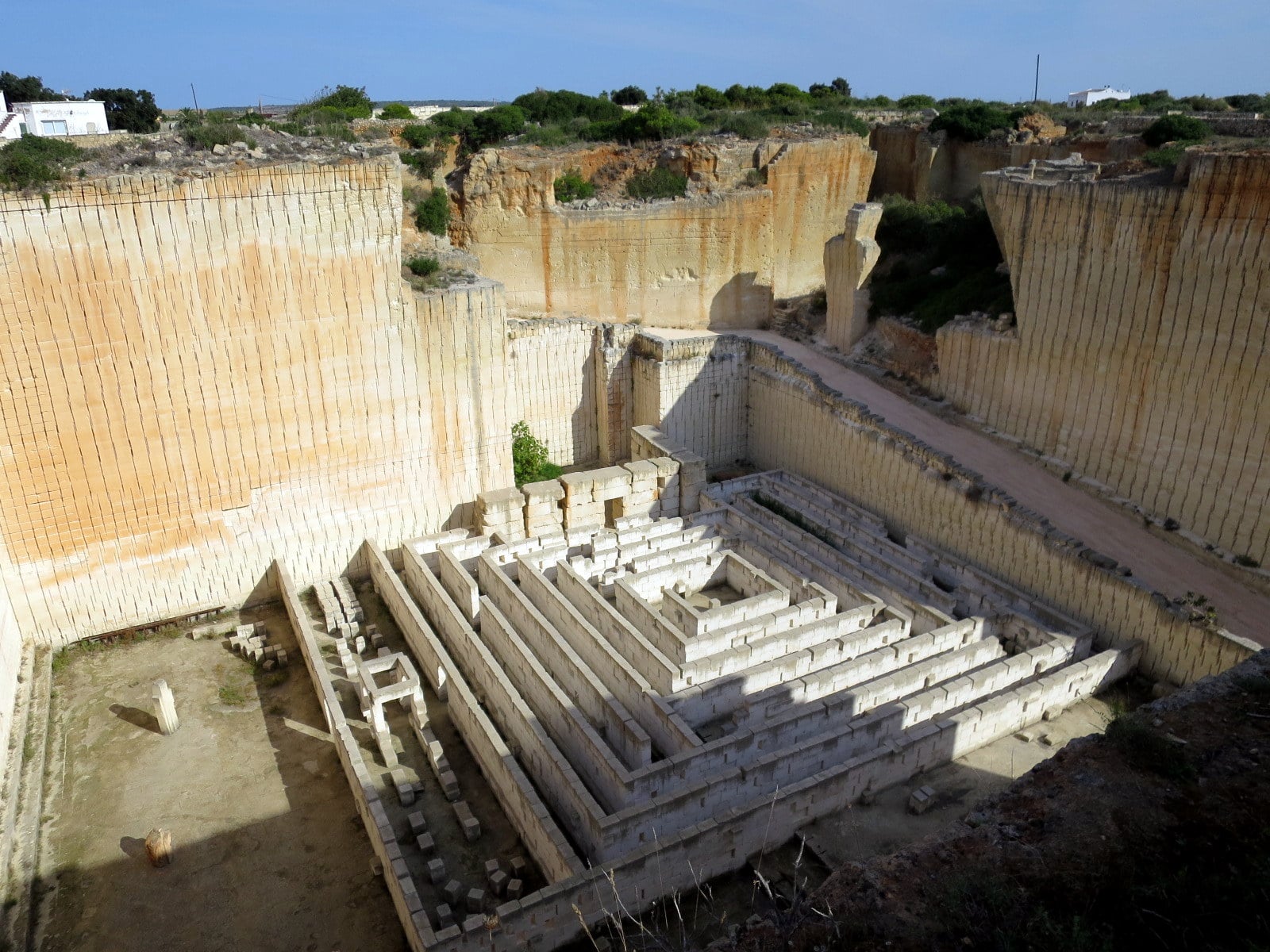
History and culture
Old marès stone quarries turned into a visitor space with labyrinths, gardens and an amphitheatre carved into the stone. They explain how Menorca was built.
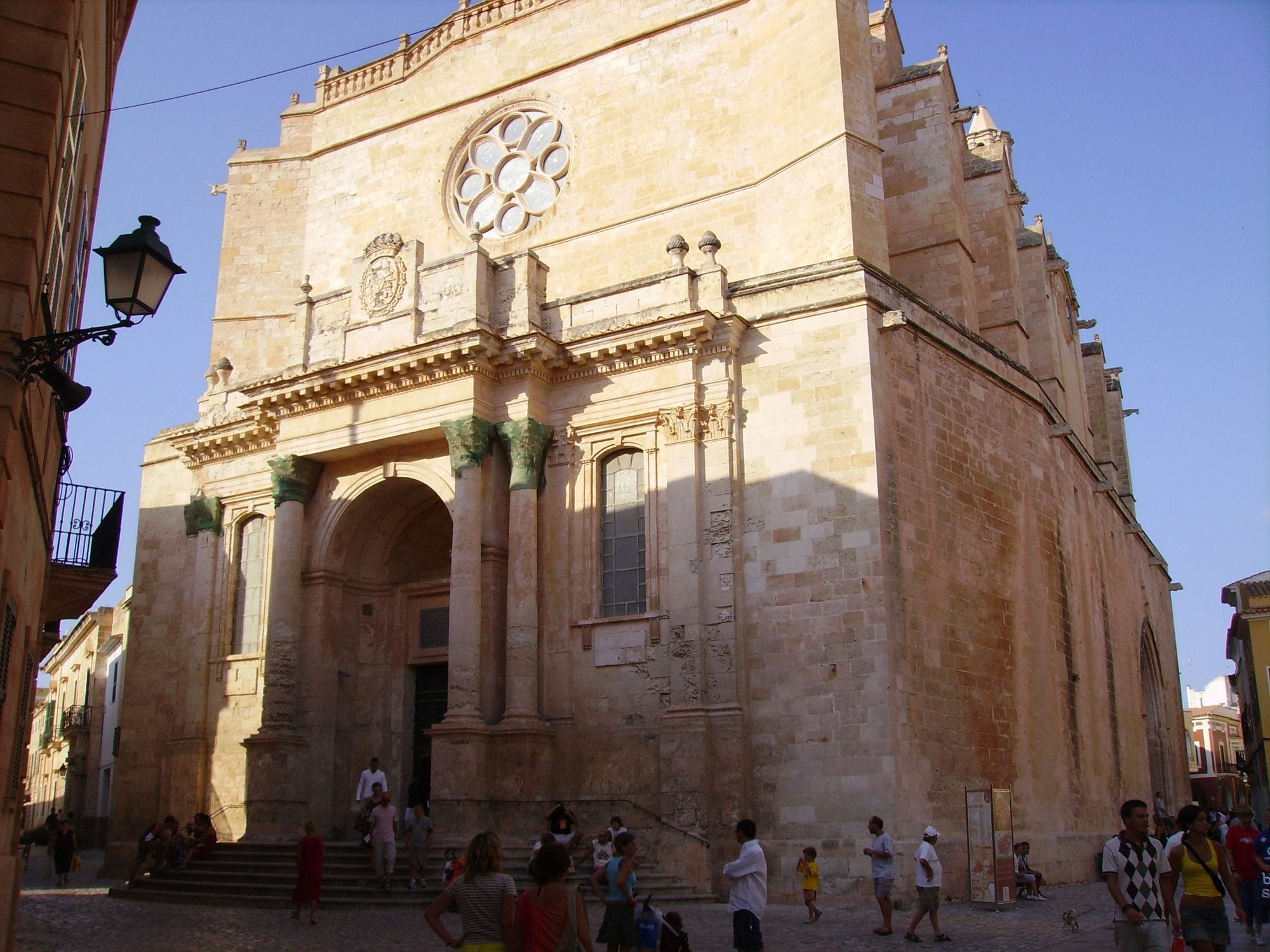
History and culture
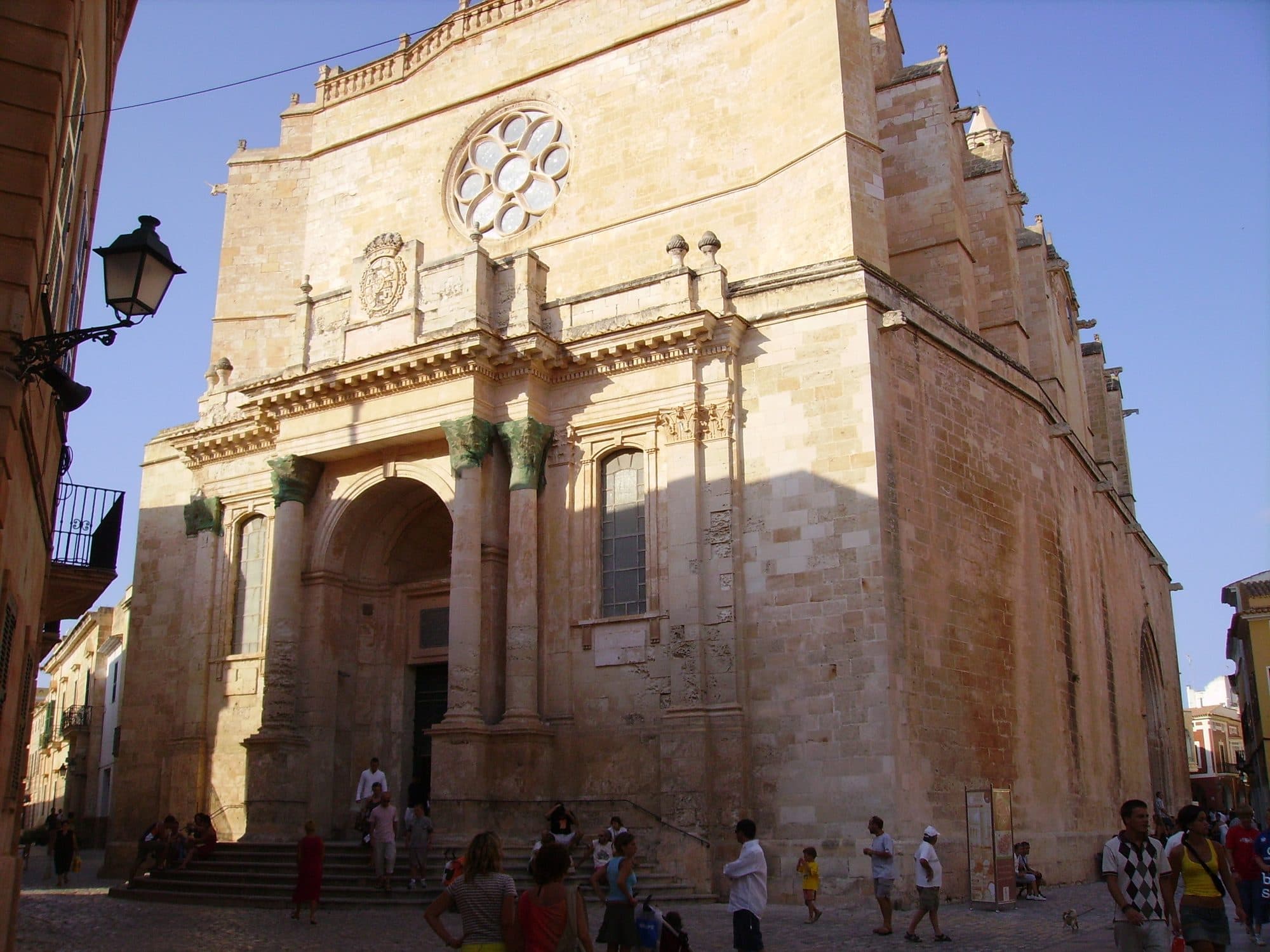
Menorca’s old capital: palaces, the Gothic cathedral, plaça des Born and the arcaded streets of Ses Voltes, all on foot within less than a kilometre.
Nightlife and leisure
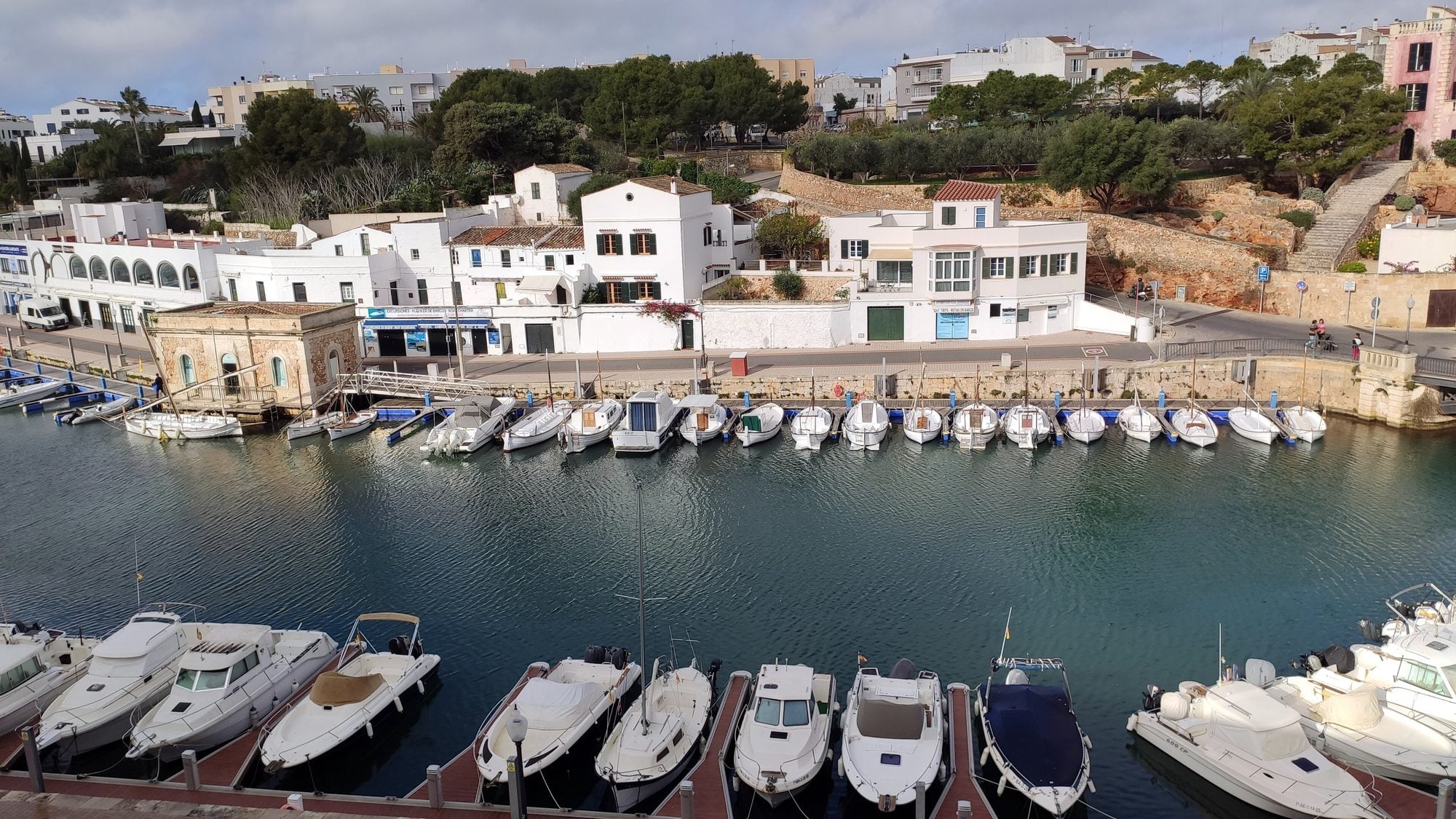
Ciutadella’s narrow, elongated natural harbour gathers terraces, restaurants and cocktail bars: where people dine and go out in the west of the island.