Charming places
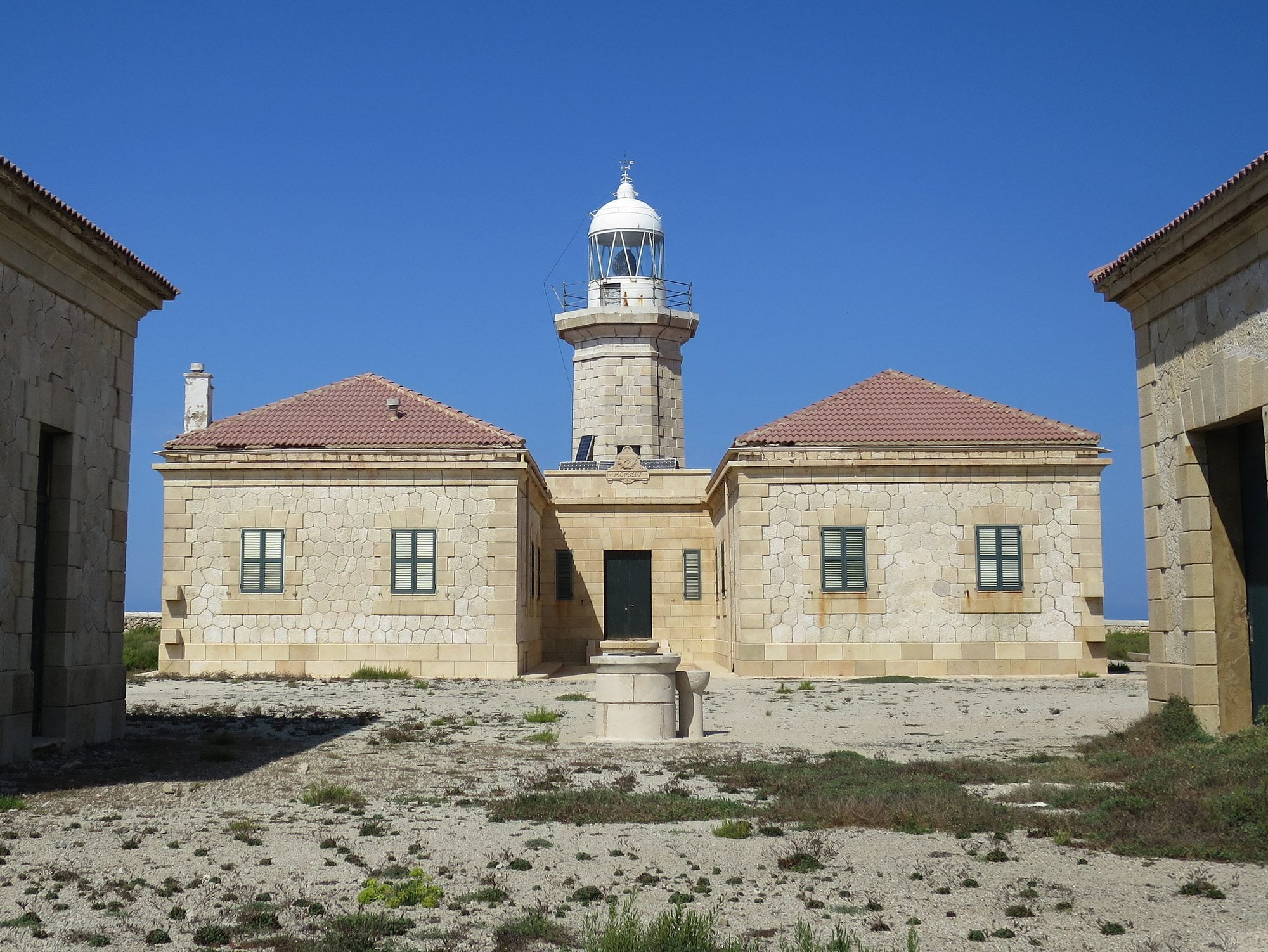
Punta Nati lighthouse
A 1913 lighthouse on Ciutadella’s north coast, about 7 km from the centre, surrounded by a landscape of dry-stone walls. One of the island’s best sunsets.
Lighthouses, Talayotic villages, coves, footpaths, food and nightlife: the island’s places, in order of what visitors look for most. Filter by what you fancy.
Charming places
A 1913 lighthouse on Ciutadella’s north coast, about 7 km from the centre, surrounded by a landscape of dry-stone walls. One of the island’s best sunsets.
Charming places
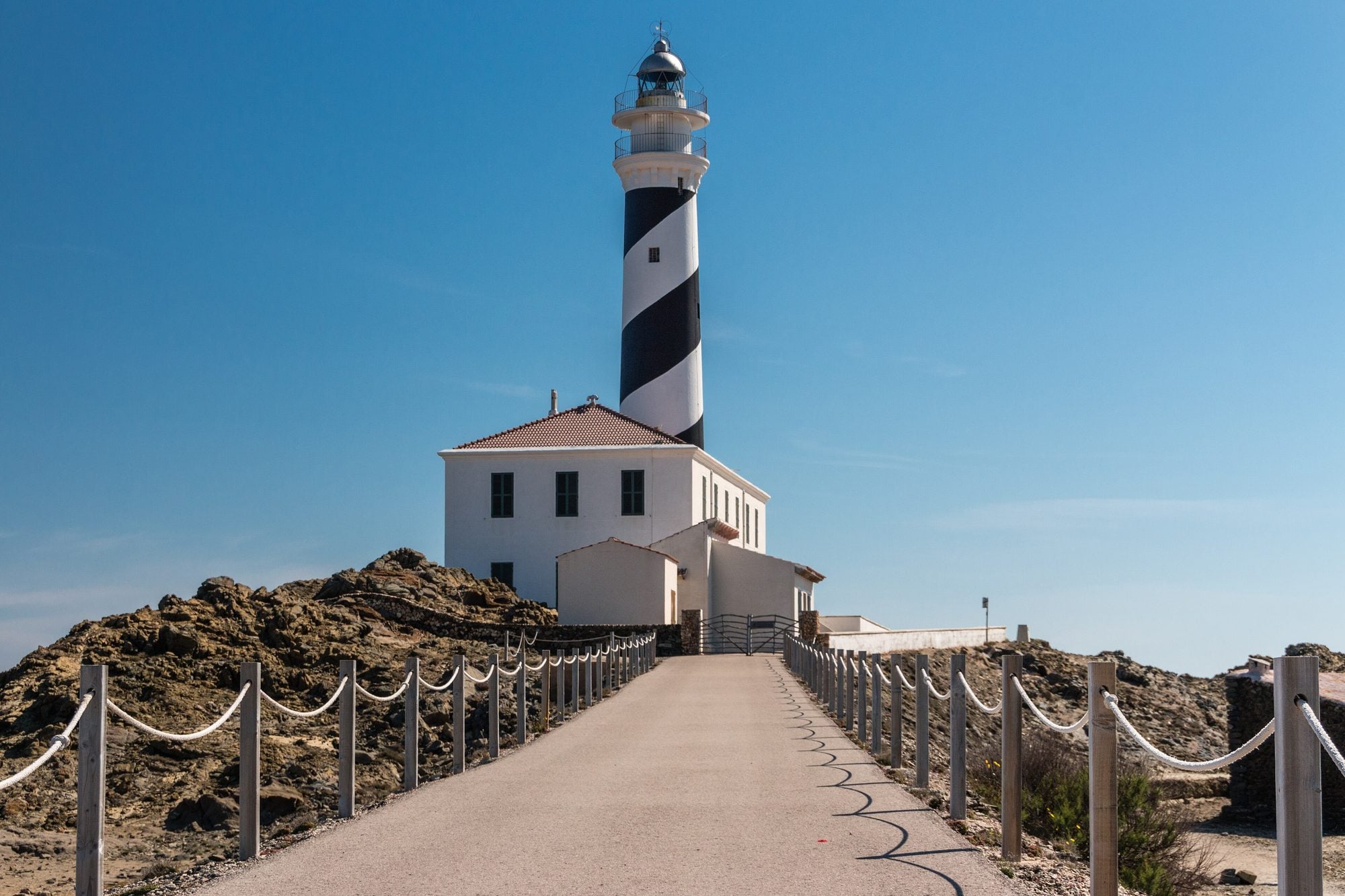
A black-and-white striped lighthouse on a cape of dark slate, inside the s’Albufera des Grau Nature Park. One of Menorca’s most striking landscapes.
Charming places
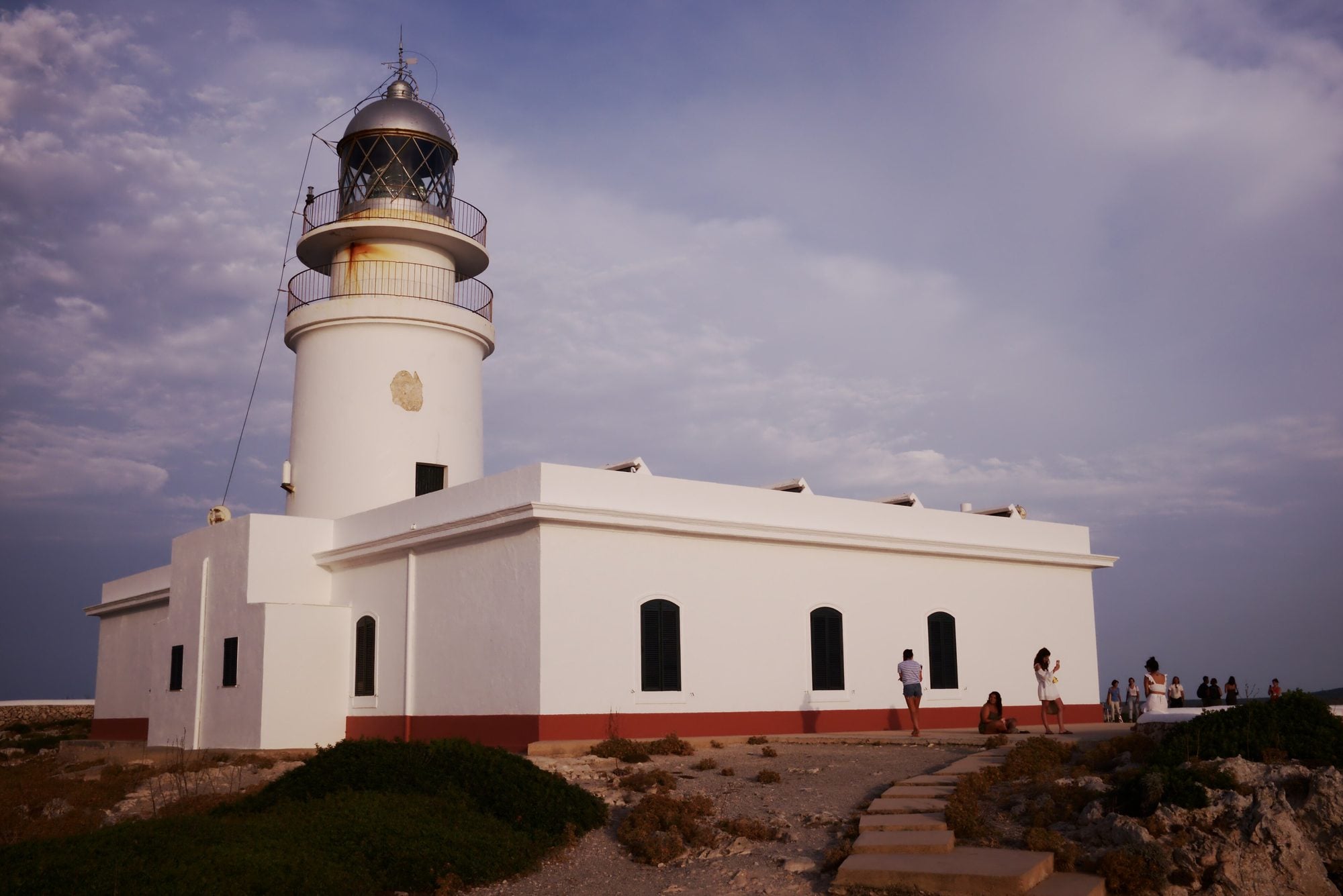
The lighthouse at Menorca’s northernmost point, above 90-metre cliffs. From here you see the north coast, the natural harbour of Sanitja and, on clear days, Mallorca.
Charming places
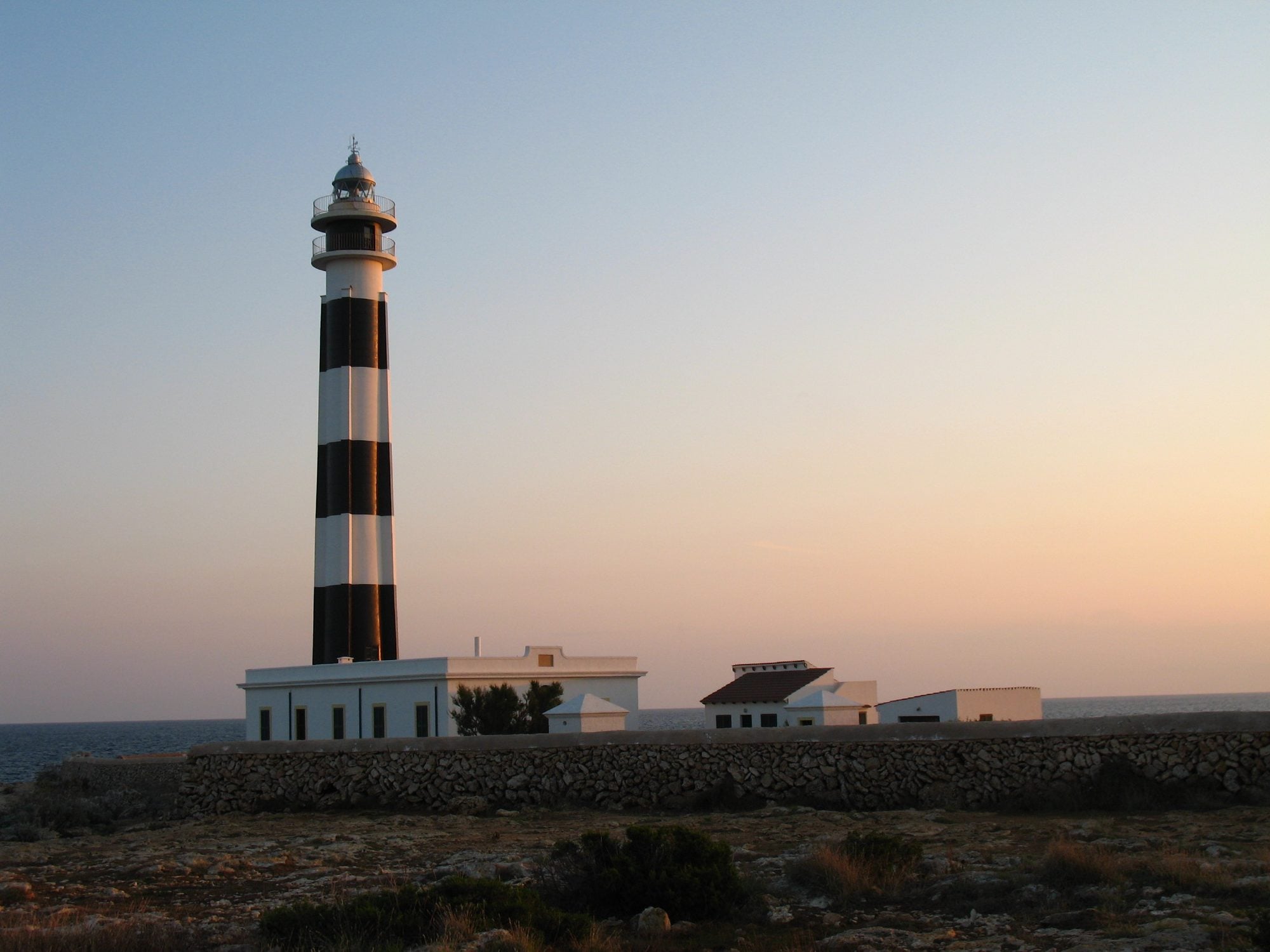
A black-and-white striped lighthouse at the south-western tip of Menorca, next to Cala en Bosc. Facing Mallorca, it’s another great spot for sunset.
Charming places
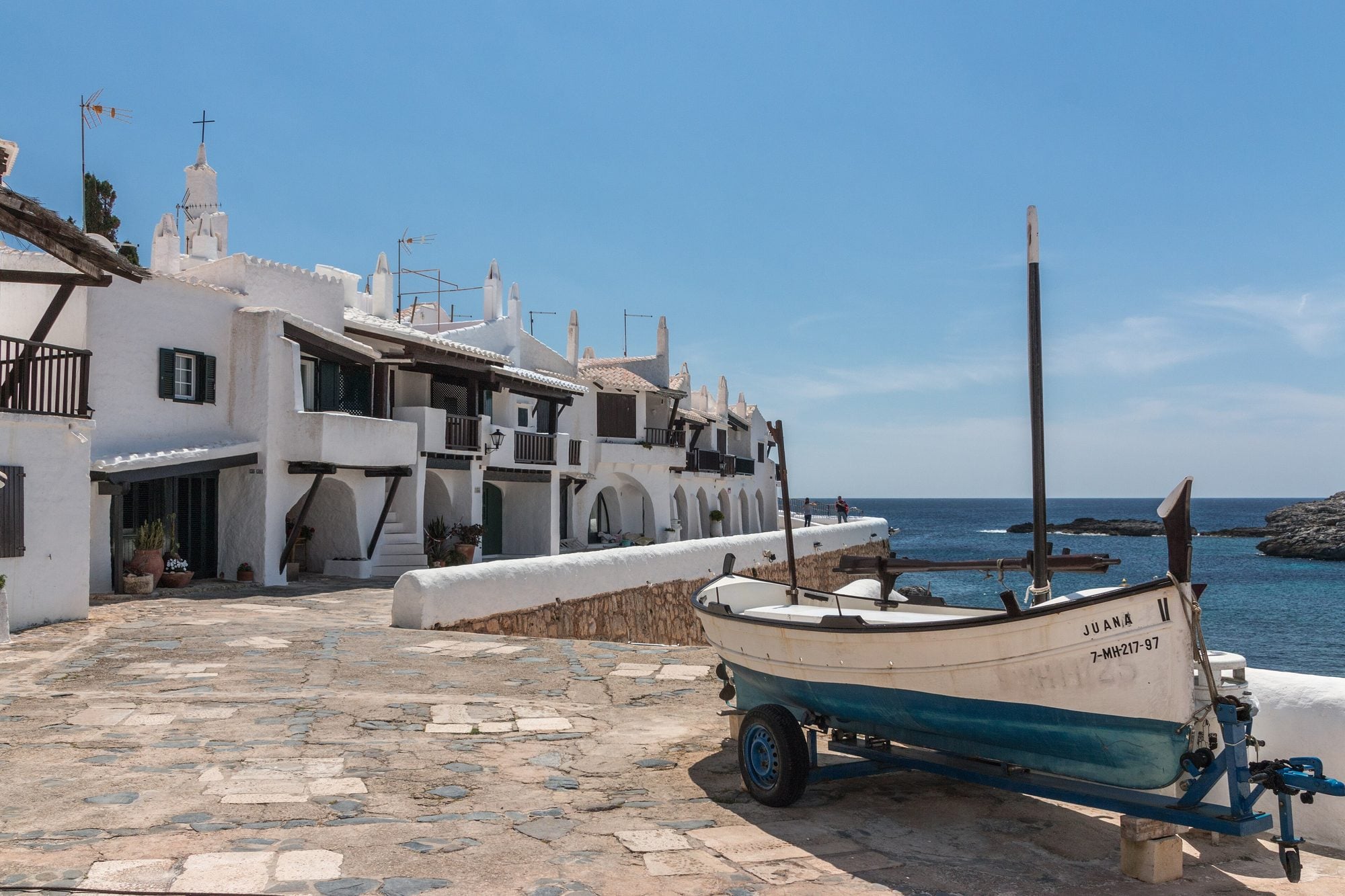
A cluster of white houses in the style of a fishing village, built by the sea in the 1960s. Its alleys are among the most photographed in Menorca.
Charming places
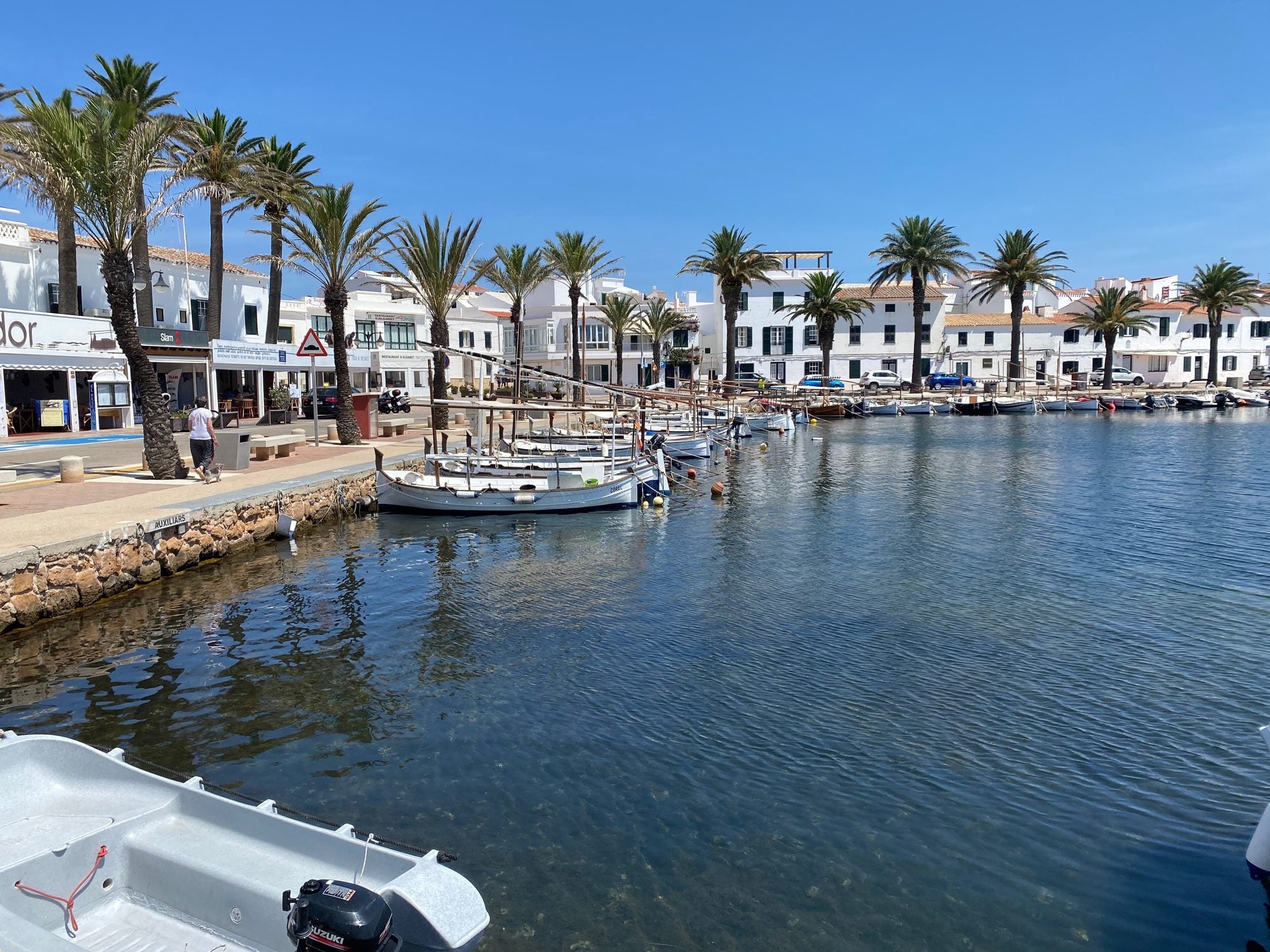
A fishing village in the north, at the end of a large, calm bay. It’s famous for its lobster stew and its 18th-century defence tower.
Charming places
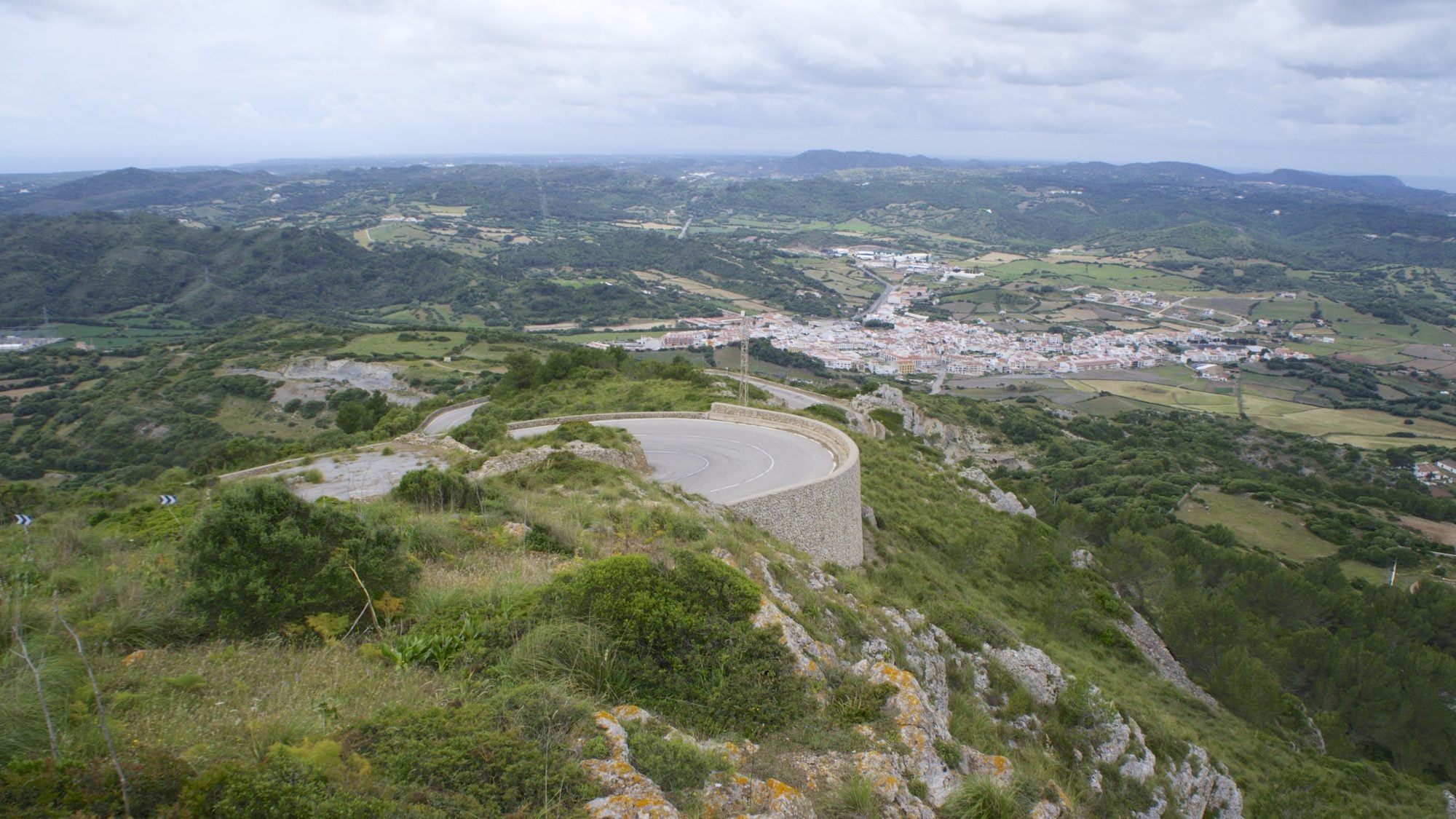
Menorca’s highest point (358 m), in the centre of the island. At the top are the sanctuary of the Virgin of El Toro and a viewpoint from which you can see almost all of Menorca.
Charming places
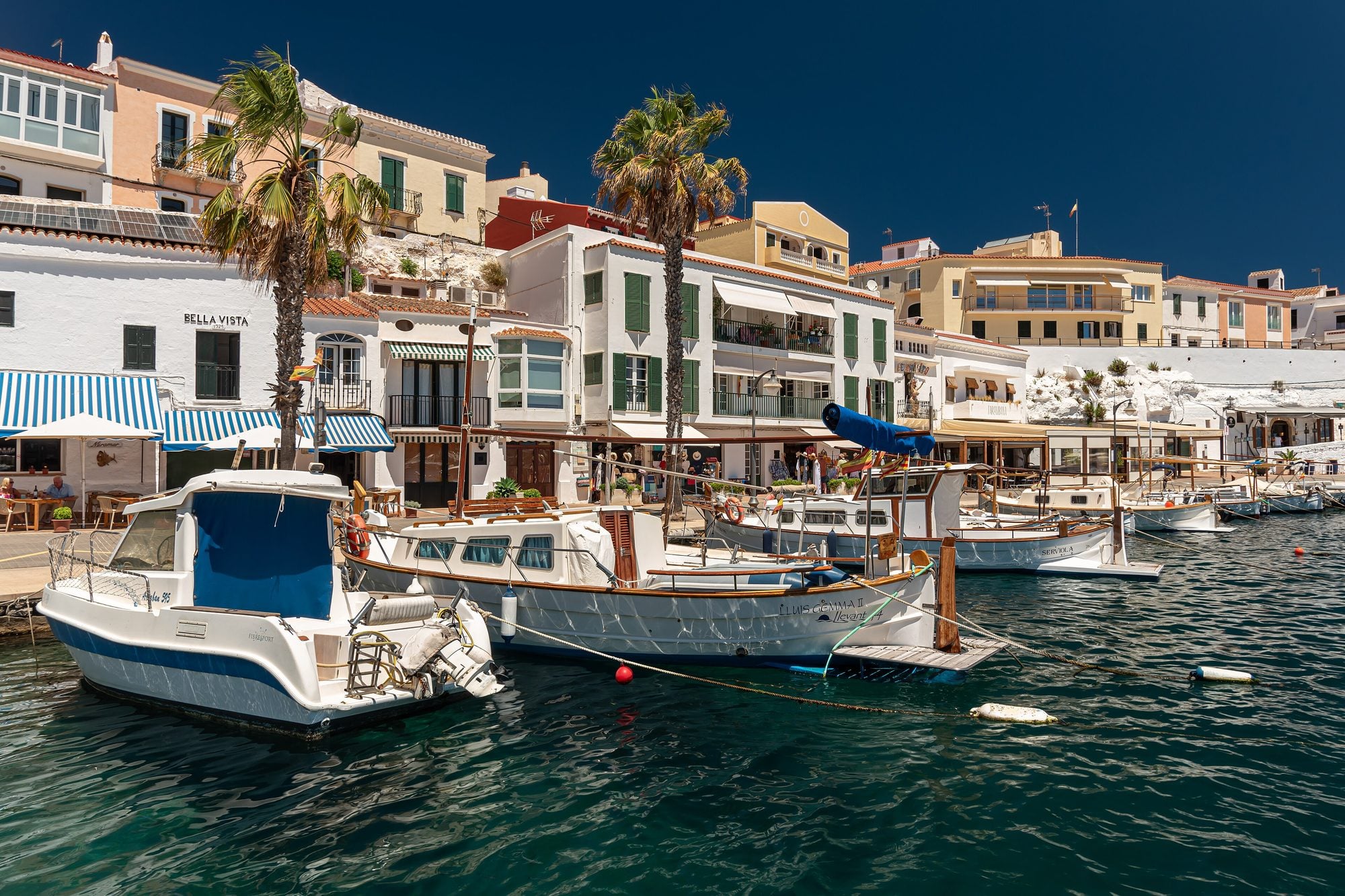
The little harbour of Es Castell, at the mouth of Maó harbour: old fishermen’s caves turned into restaurants with tables by the water.
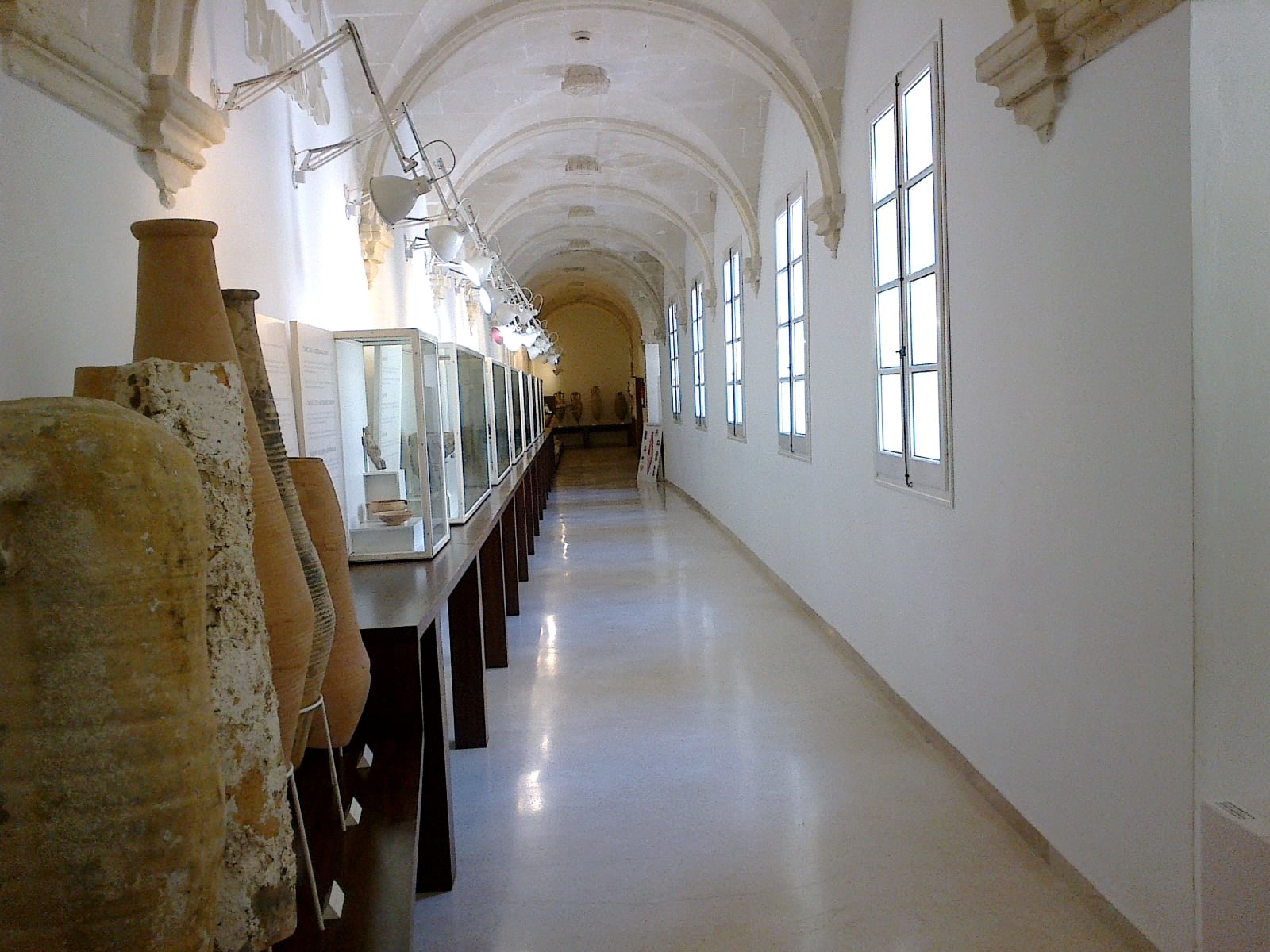
History and culture
The reference museum for Menorca’s prehistory and history, in the former convent of Sant Francesc in Maó. Ideal for understanding the island before exploring it, and for a rainy day too.
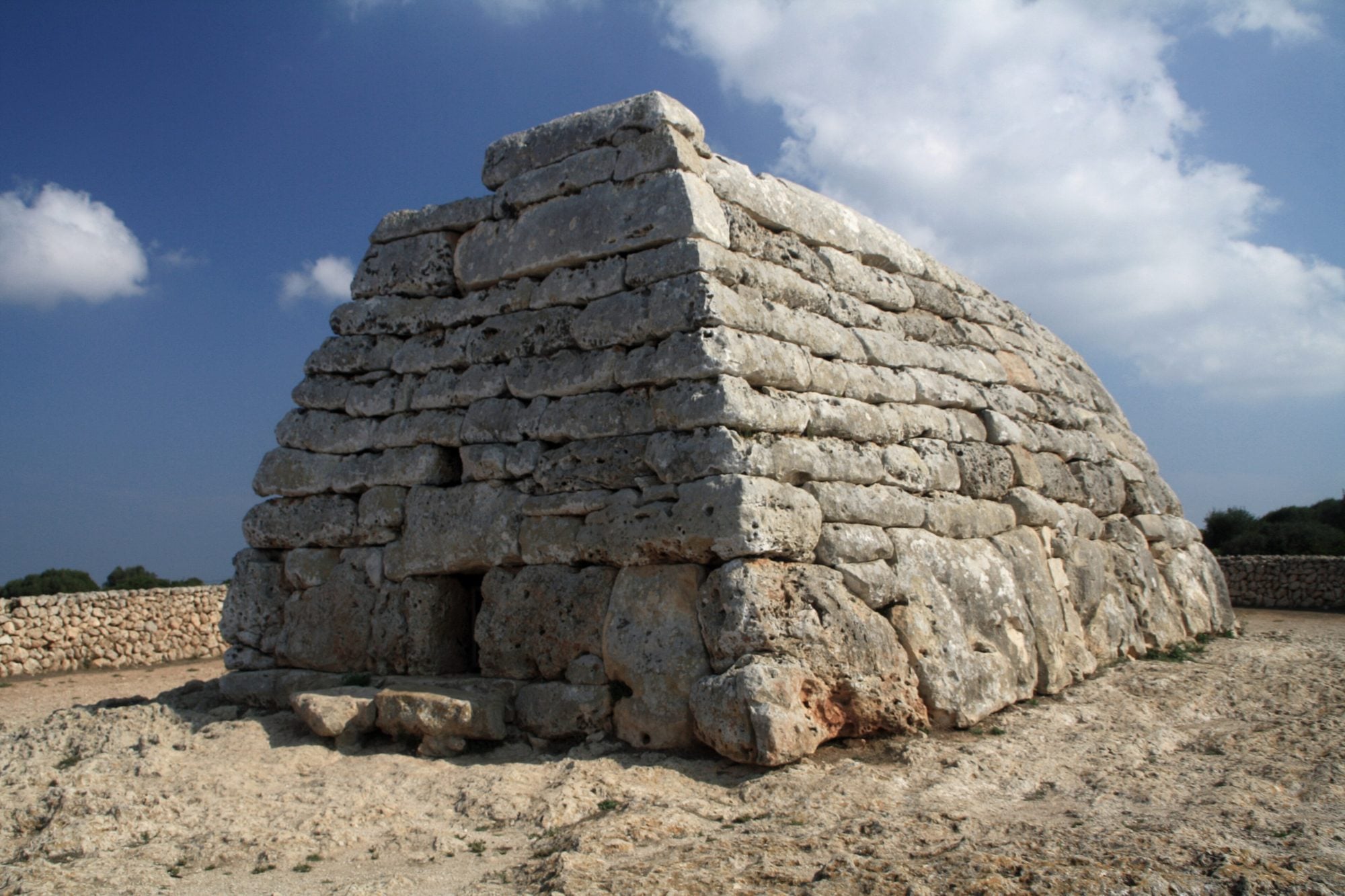
History and culture
A collective tomb shaped like an upturned boat, used roughly between 1200 and 750 BC. It’s Menorca’s most emblematic prehistoric monument.
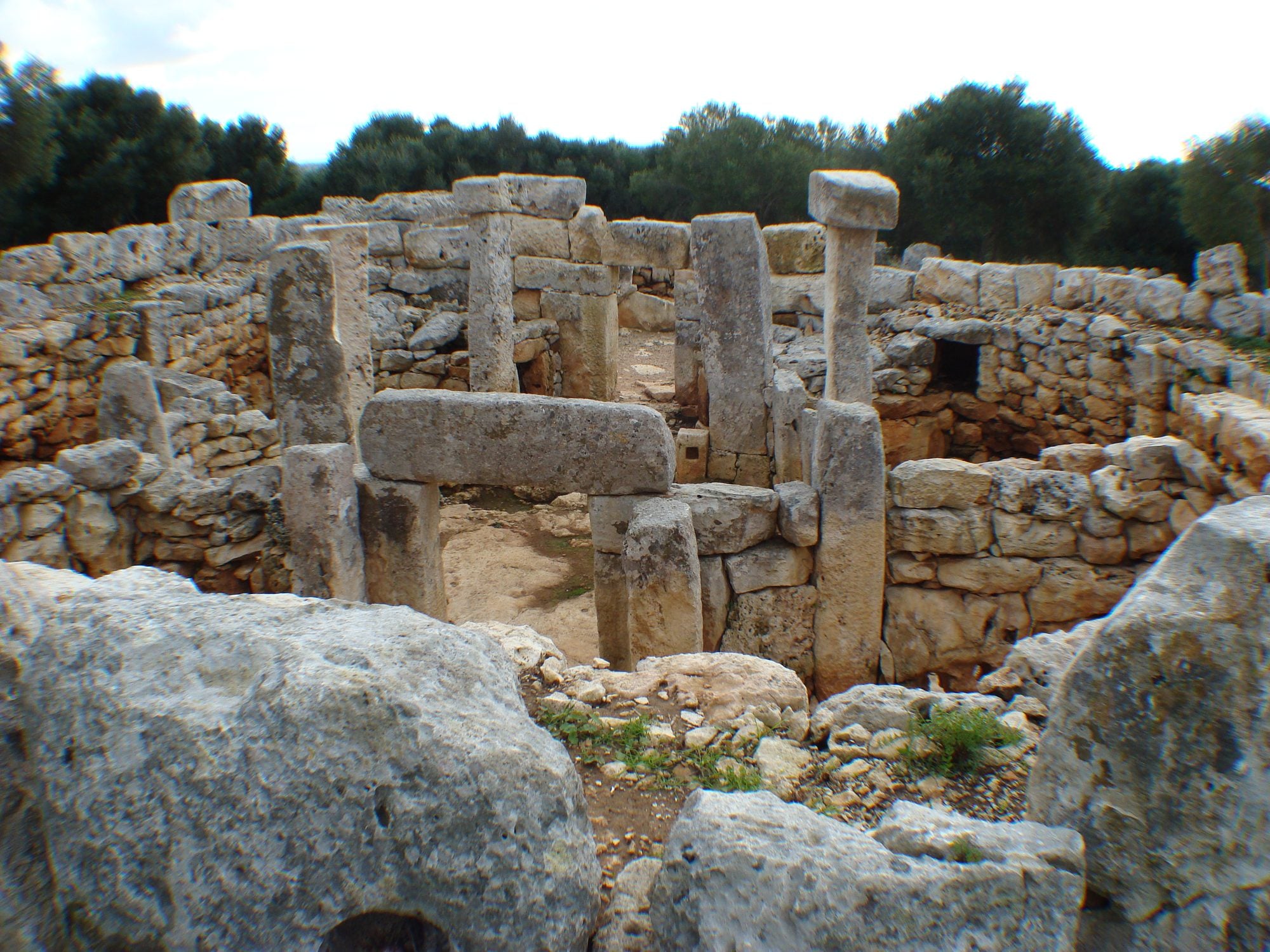
History and culture
One of the largest Talayotic villages in the Balearics, with three talayots, a taula enclosure, houses and a water-collection system. It has a visitor centre.
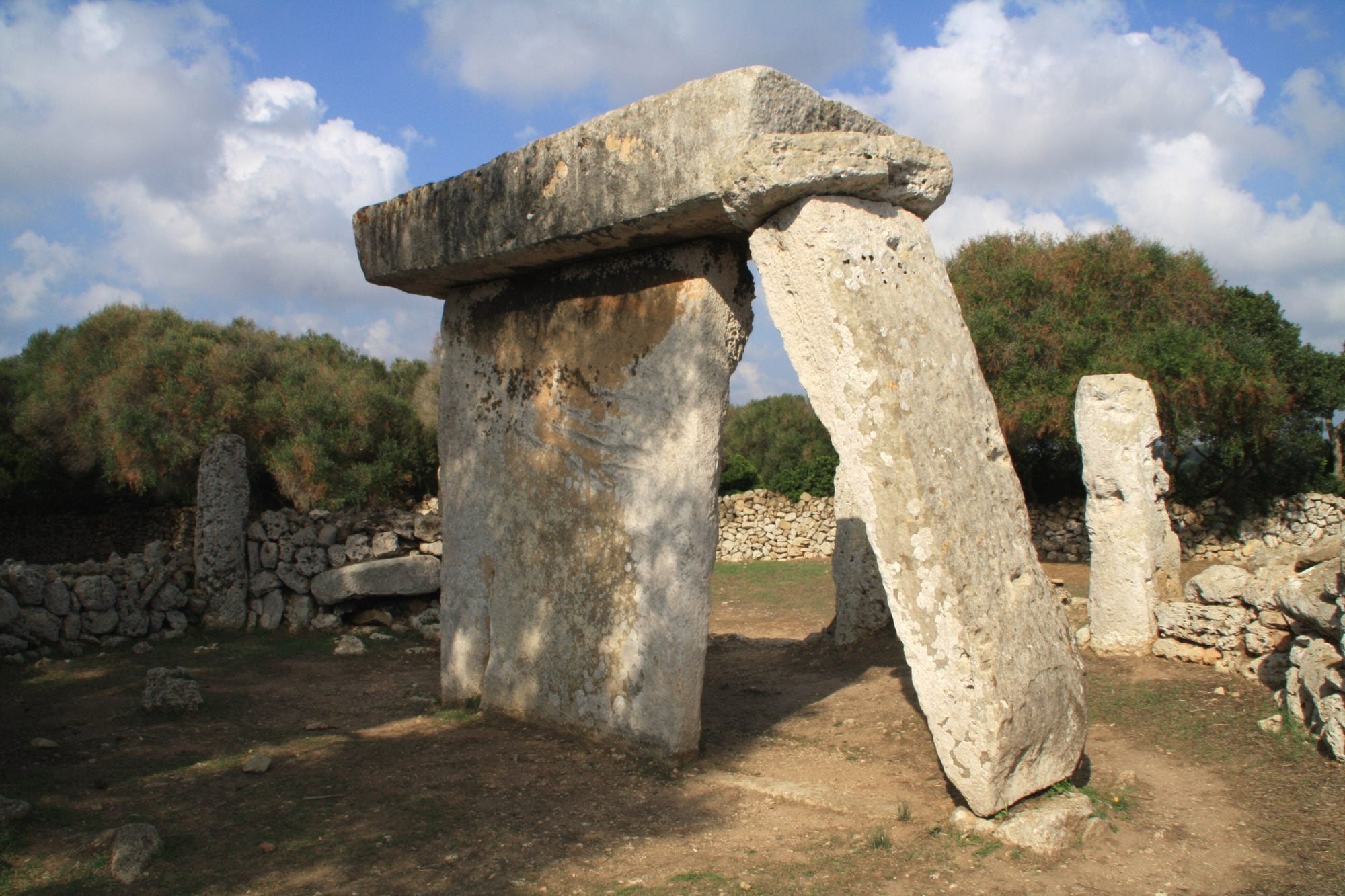
History and culture
A Talayotic village 4 km from Maó among wild olive trees, with a very unusual taula: a column leaning against it that has kept its balance for centuries.
History and culture
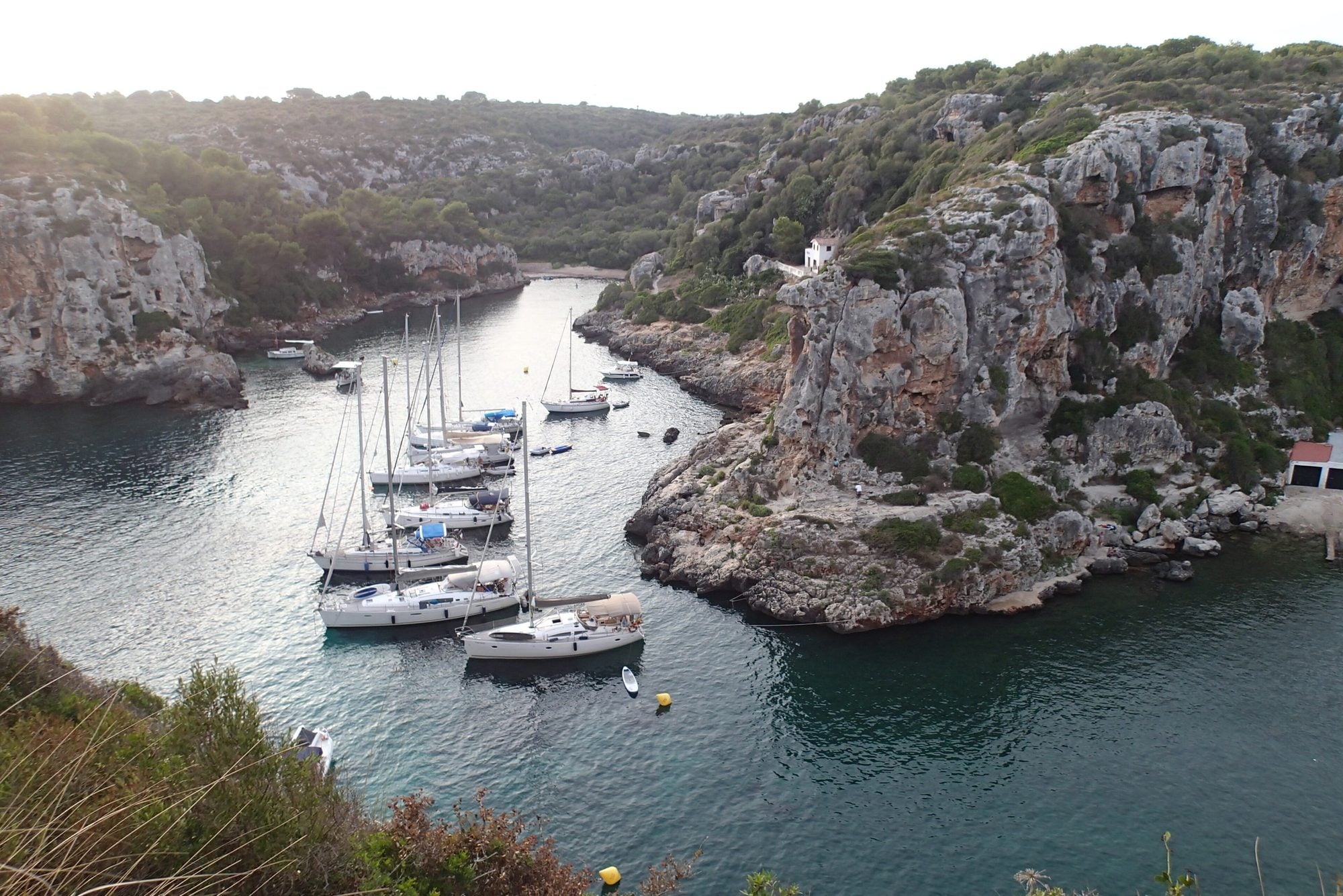
Menorca’s largest prehistoric necropolis: about 90 burial caves carved into the cliffs of two joined coves, reached on foot.
History and culture
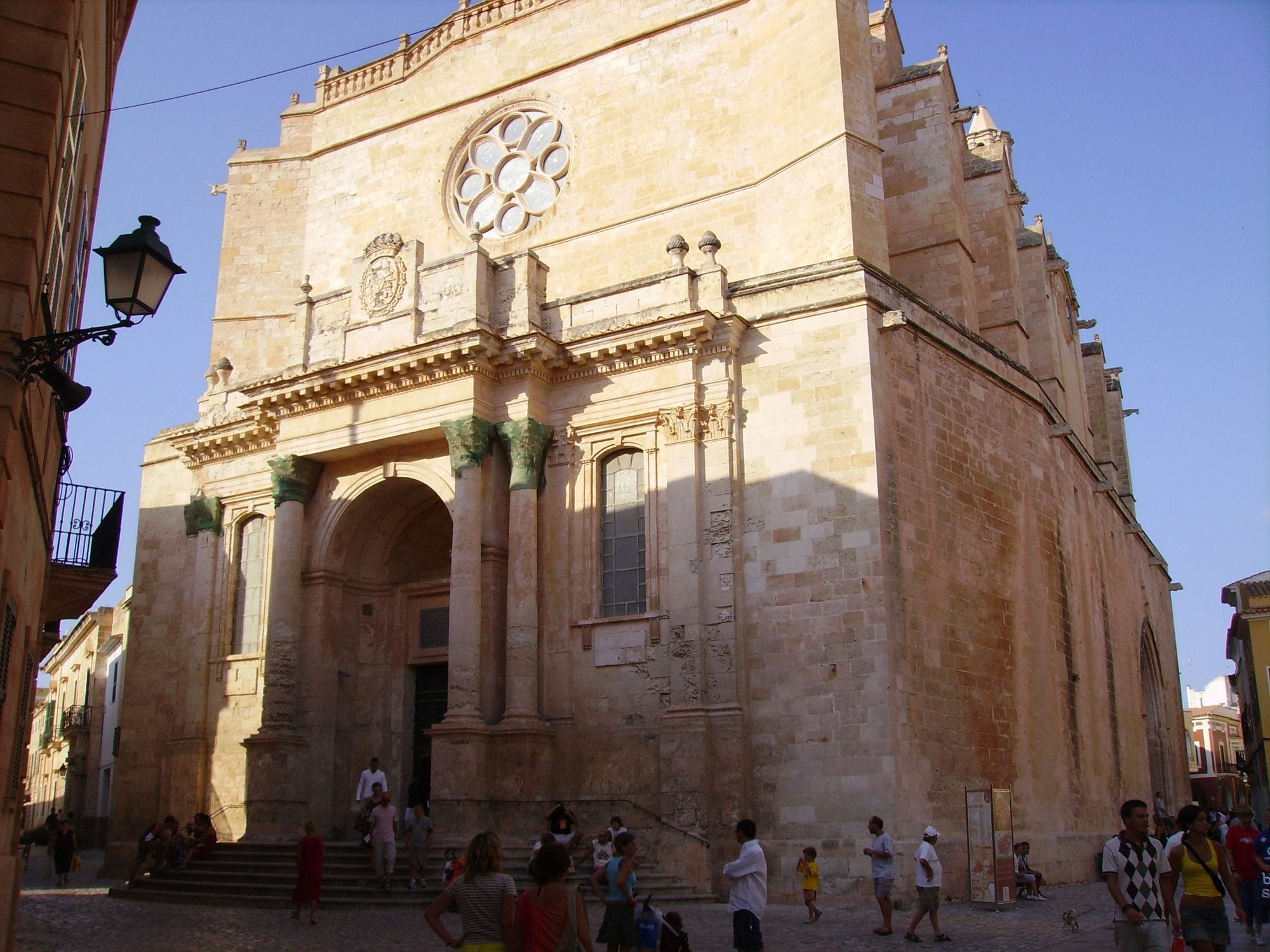
Menorca’s old capital: palaces, the Gothic cathedral, plaça des Born and the arcaded streets of Ses Voltes, all on foot within less than a kilometre.
History and culture
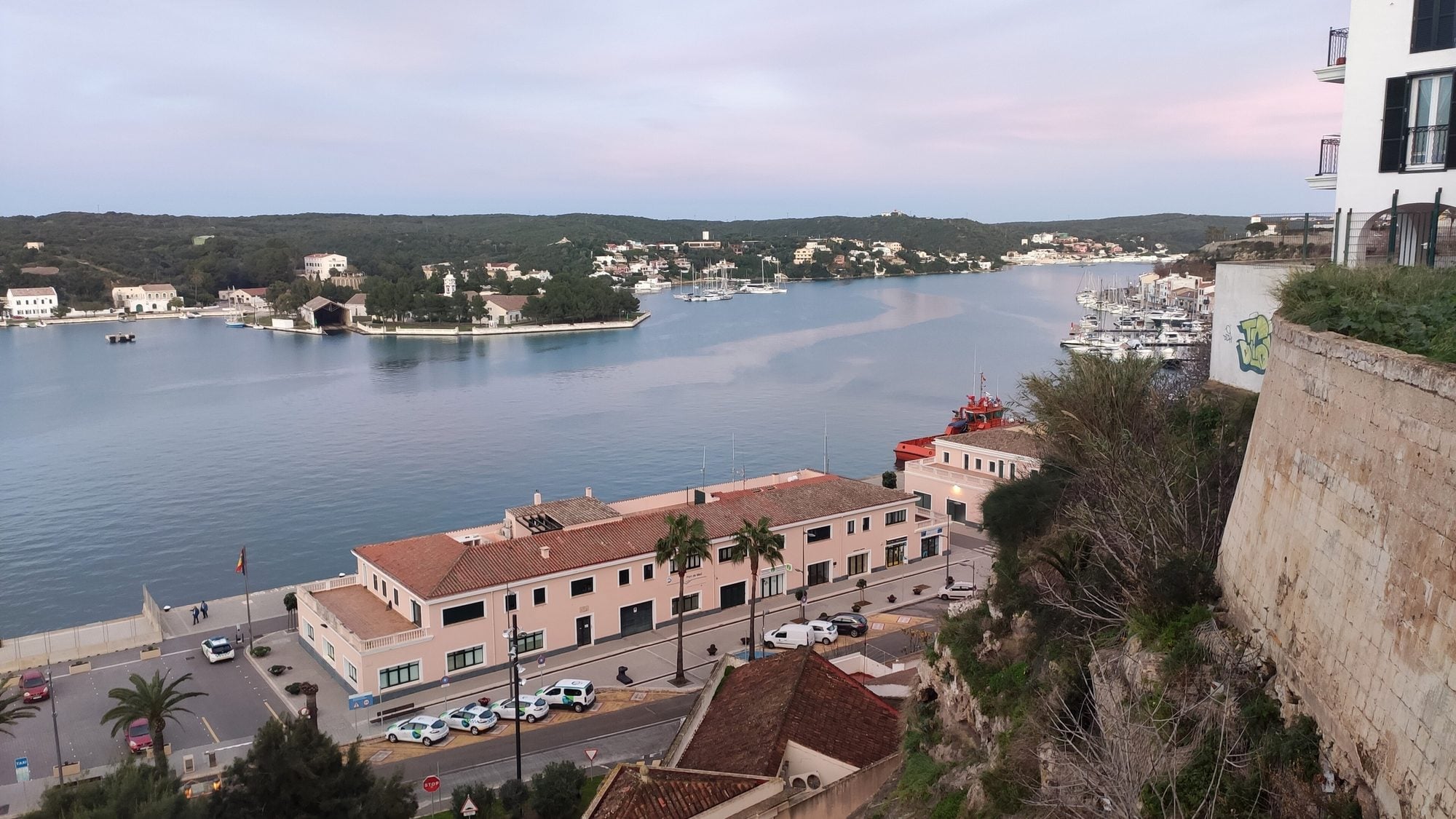
Menorca’s capital overlooks one of the largest natural harbours in the Mediterranean. Above, the historic centre; below, the Moll de Ponent with restaurants and bars.
History and culture
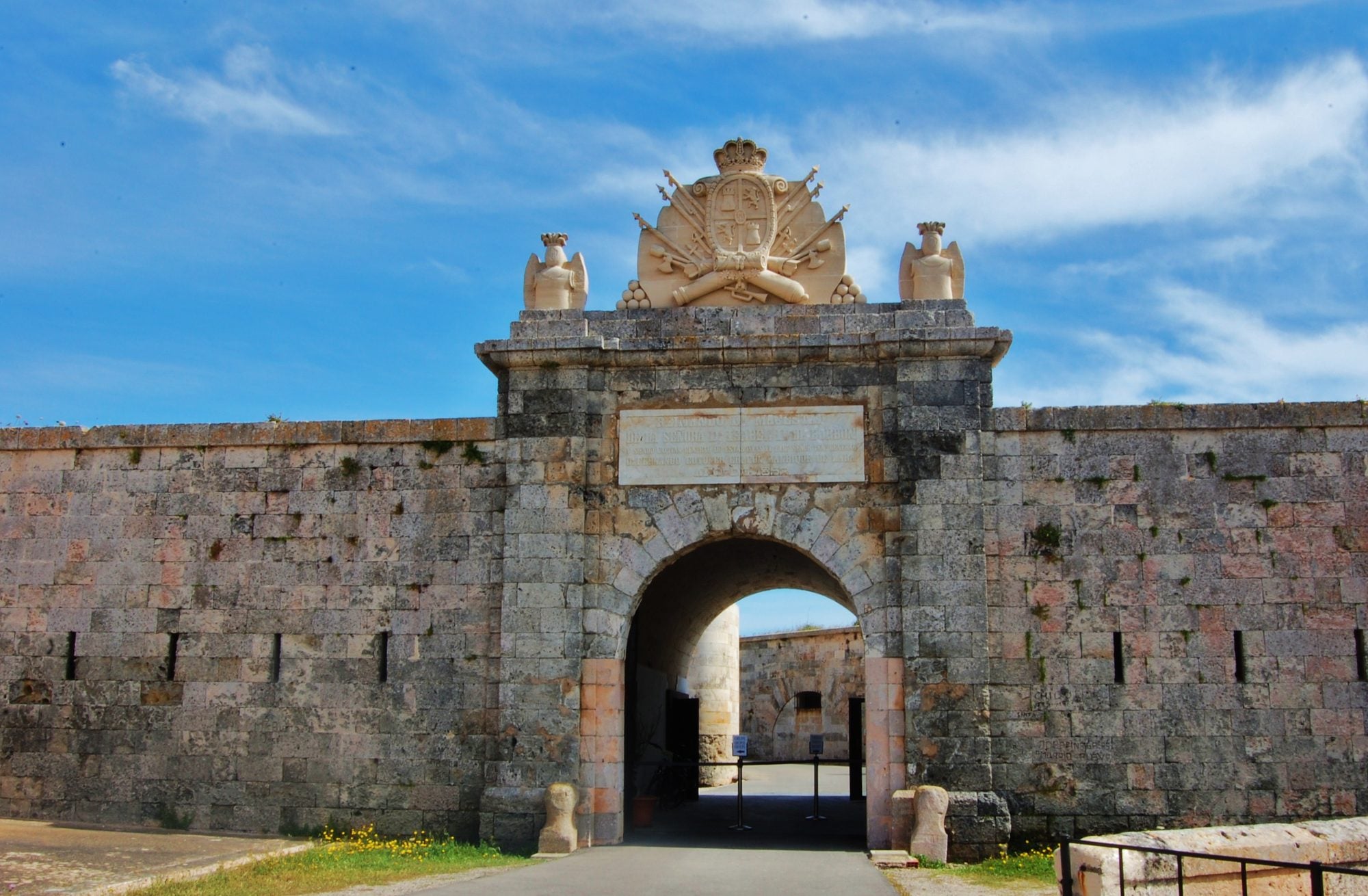
Isabel II’s fortress, built in the 19th century to defend the entrance to Maó harbour. Underground galleries, bastions and a large Vavasseur gun at Spain’s easternmost point.
History and culture
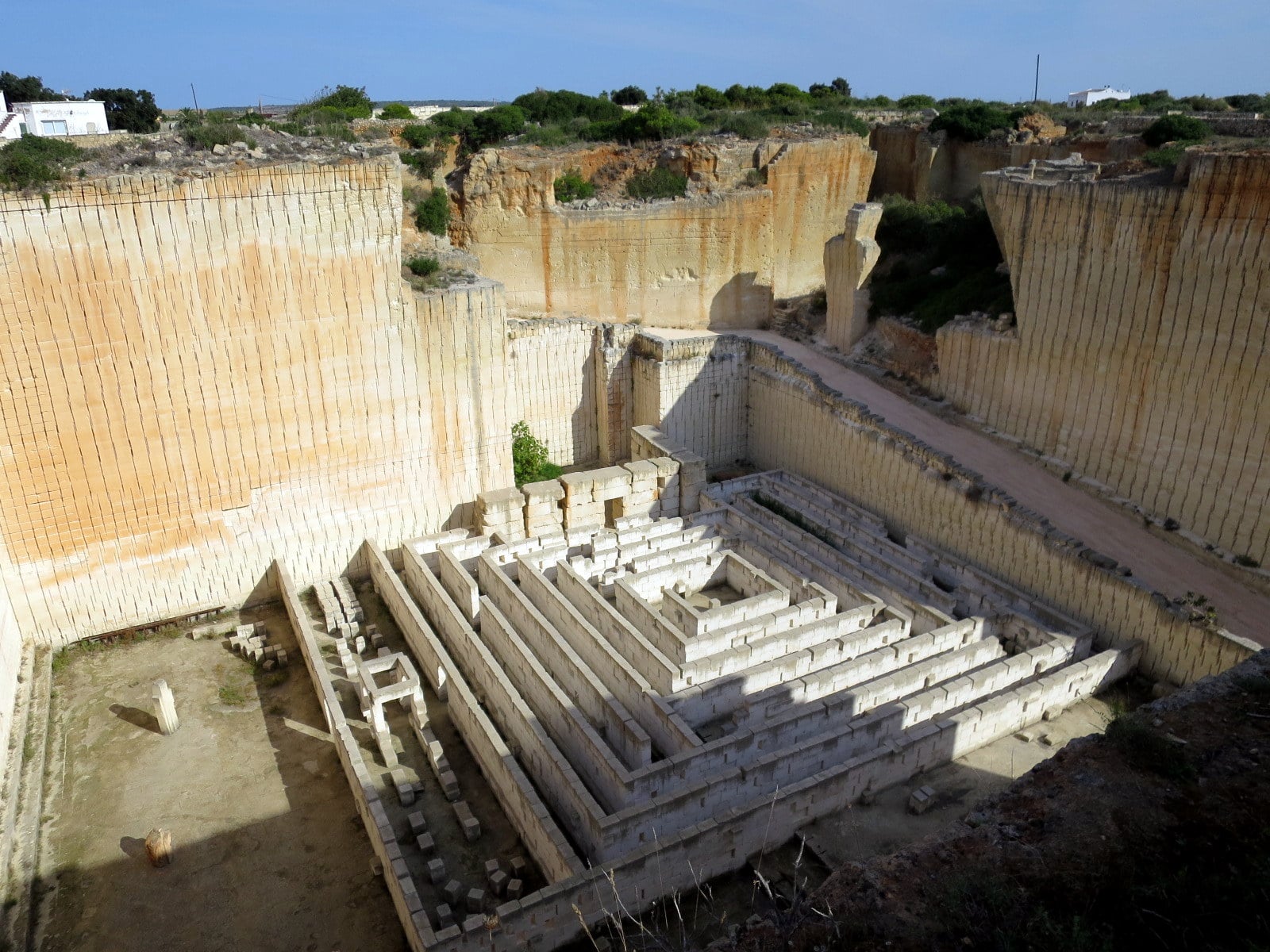
Old marès stone quarries turned into a visitor space with labyrinths, gardens and an amphitheatre carved into the stone. They explain how Menorca was built.
History and culture
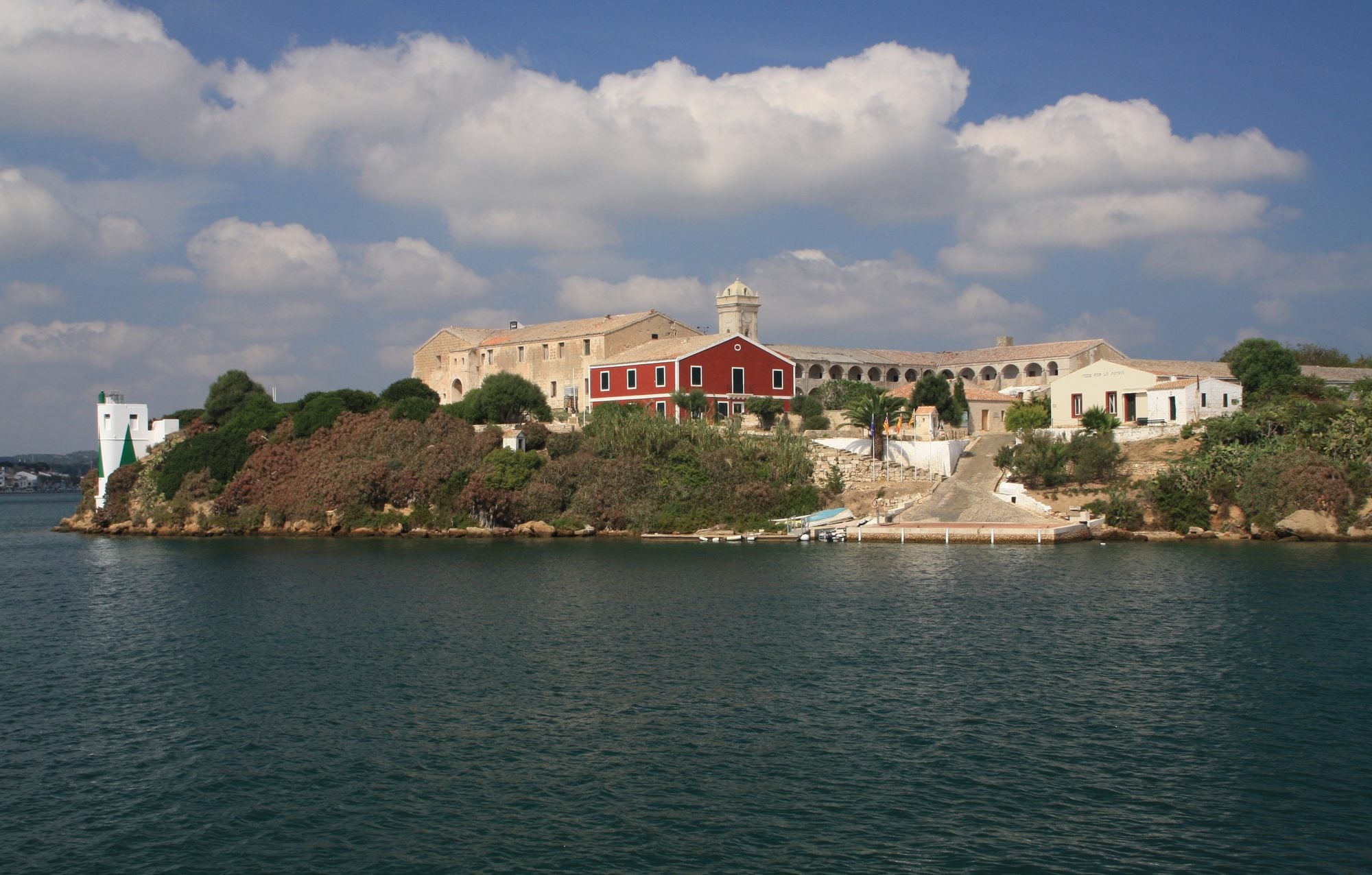
An island in Maó harbour with an old British military hospital turned into a museum, an early Christian basilica and the Hauser & Wirth art centre.
Beaches and coves
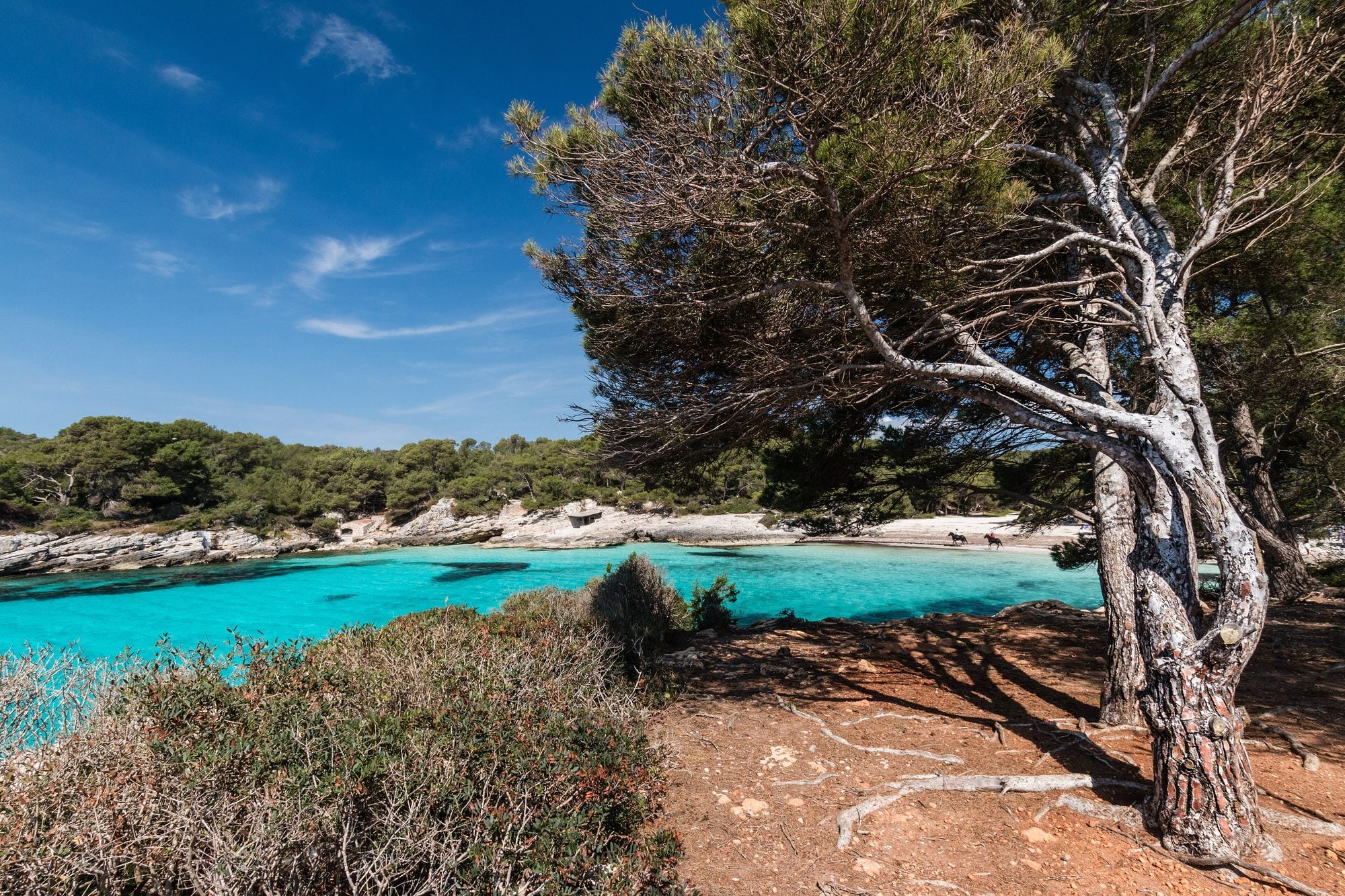
An unspoilt cove south of Ciutadella with white sand, turquoise water and pine woods down to the shore. No buildings around it.
Beaches and coves
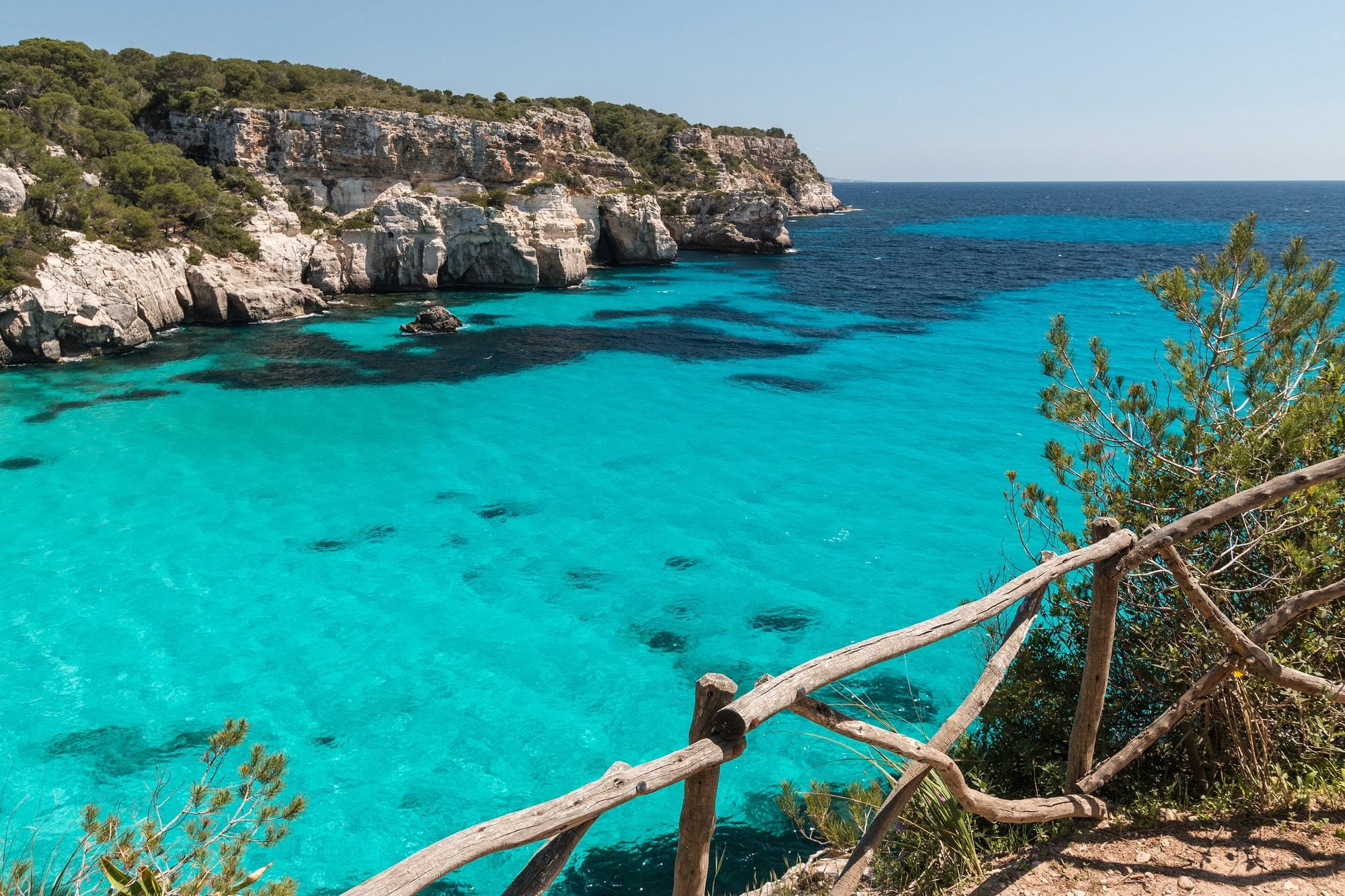
Menorca’s most famous coves: white sand and turquoise water between cliffs and pines. Macarelleta, smaller, is 10 minutes away on foot.
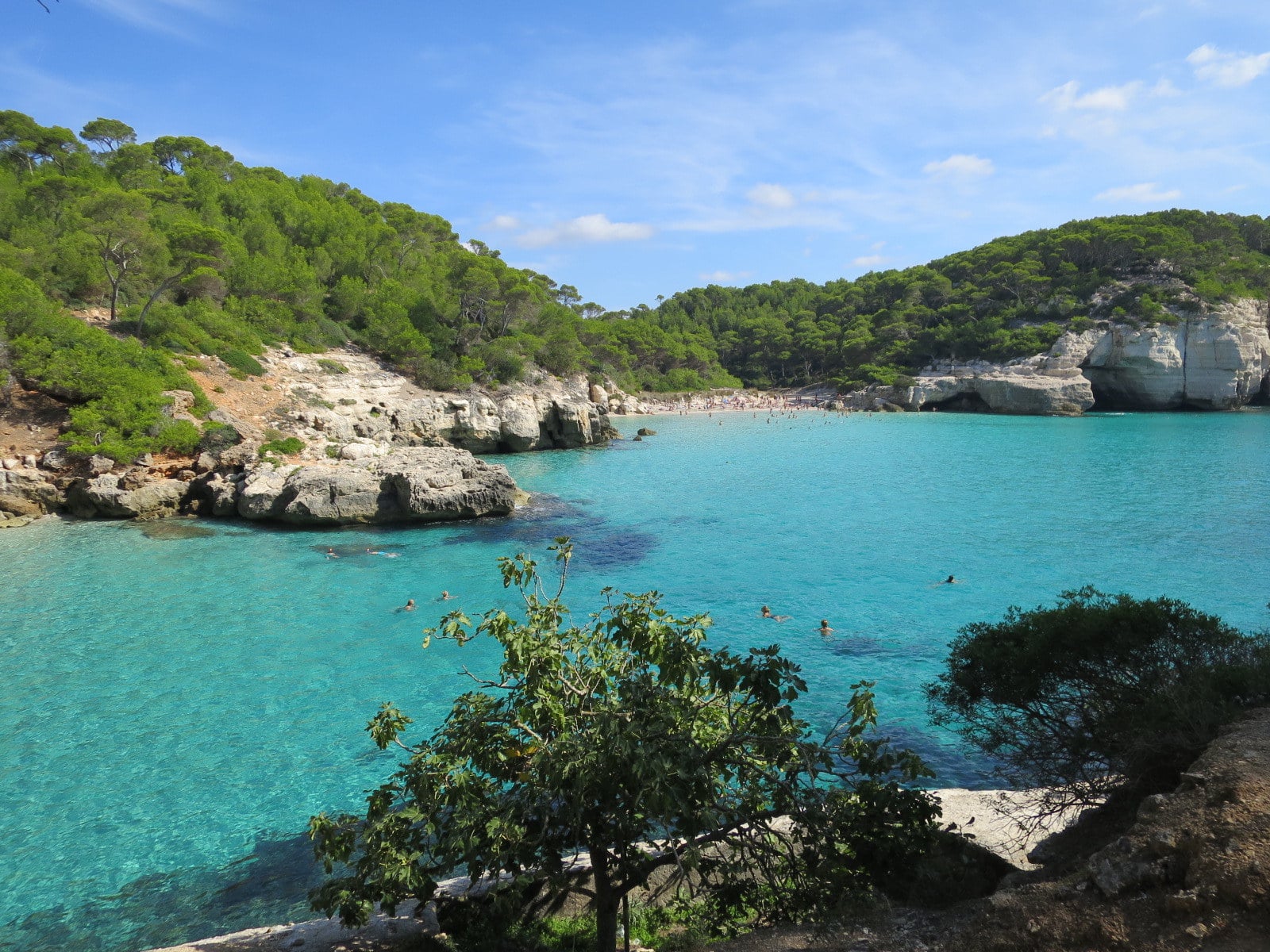
Beaches and coves
A white-sand cove surrounded by cliffs and pines, a short walk from Cala Galdana. Much loved for its crystal-clear water.
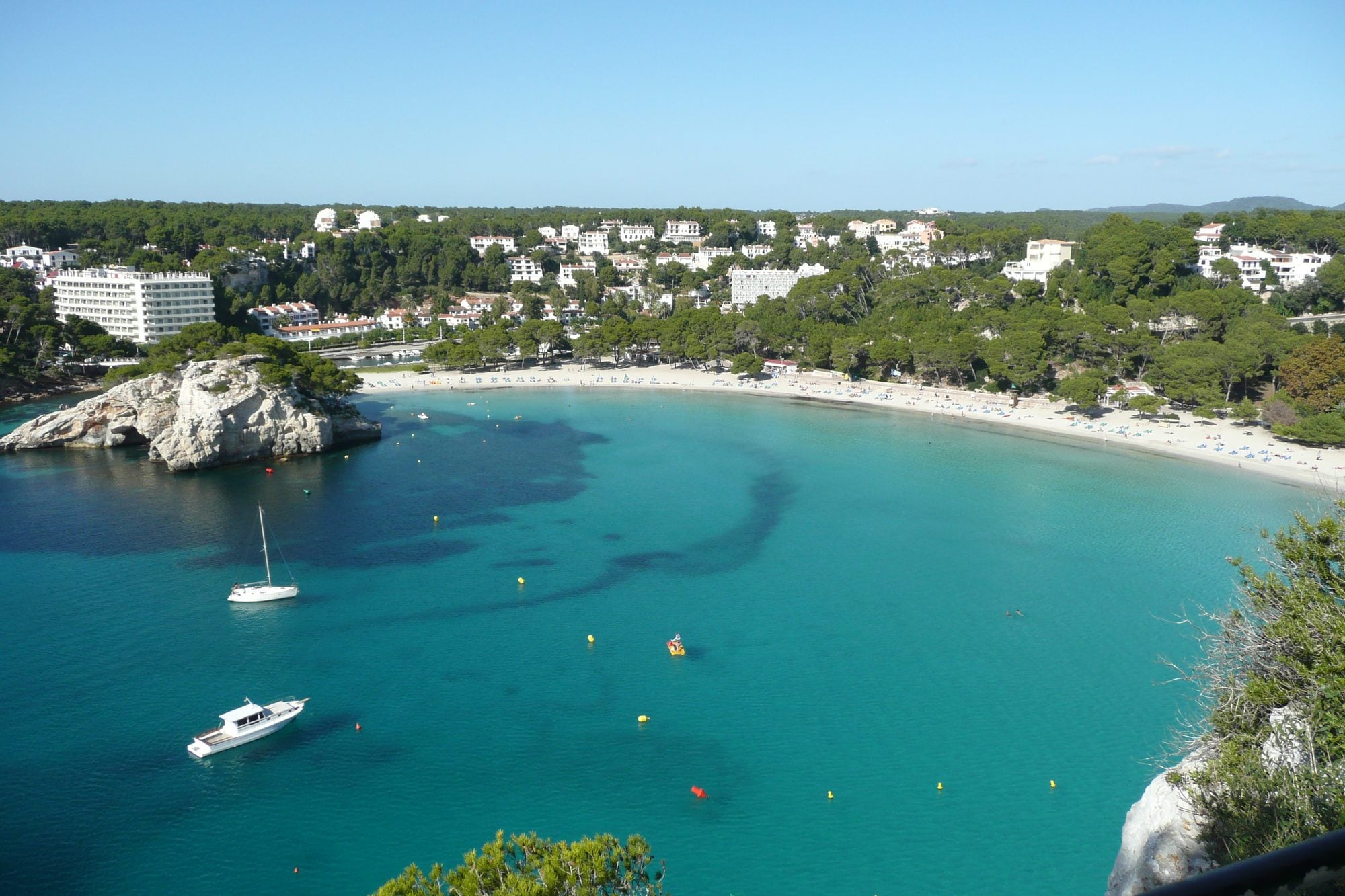
Beaches and coves
A large shell-shaped cove with every facility, at the mouth of the Algendar gorge. Calm water, ideal for families.
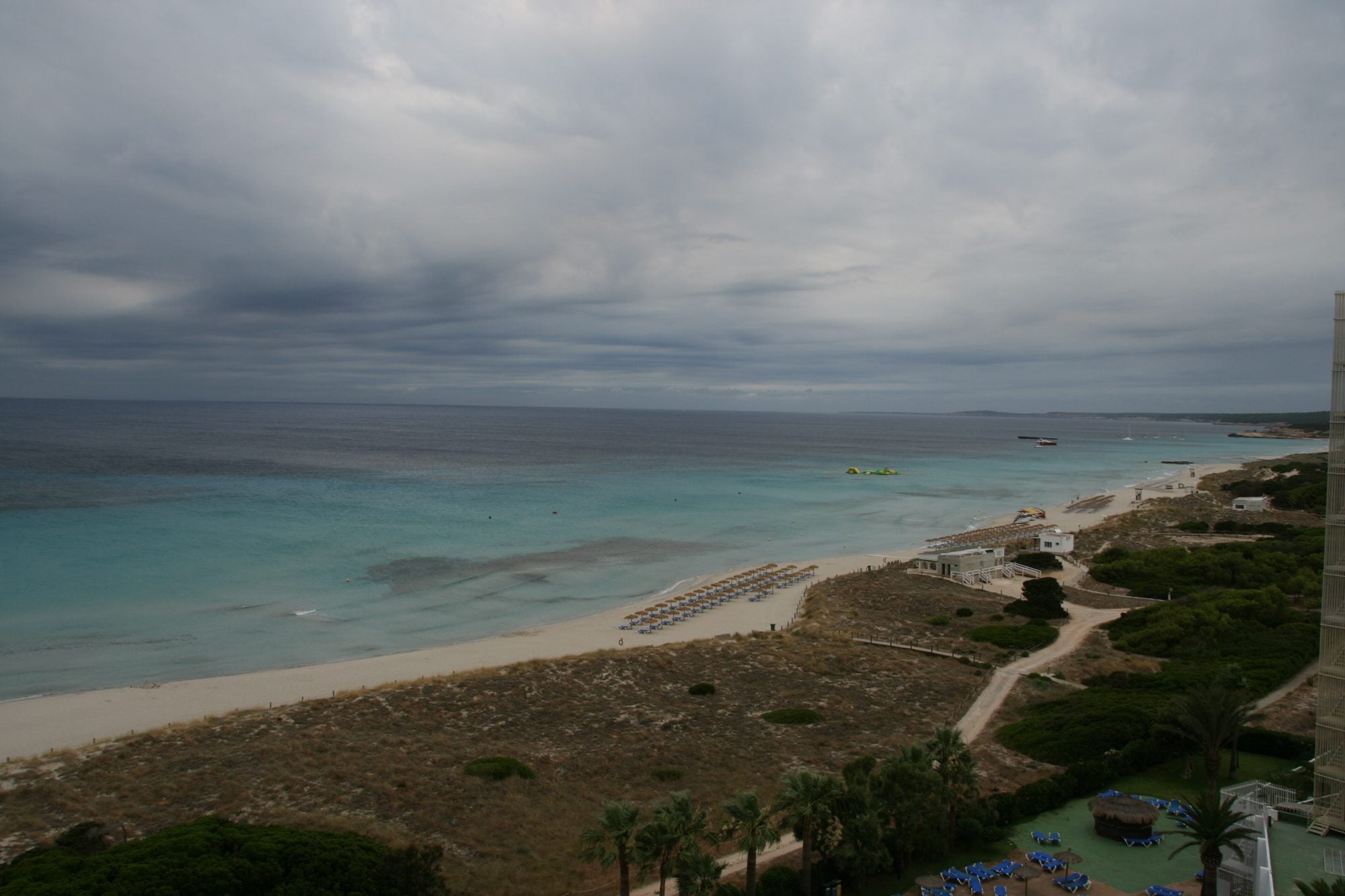
Beaches and coves
Menorca’s longest beach, with almost 3 km of sand, dunes and the remains of an early Christian basilica by the shore.
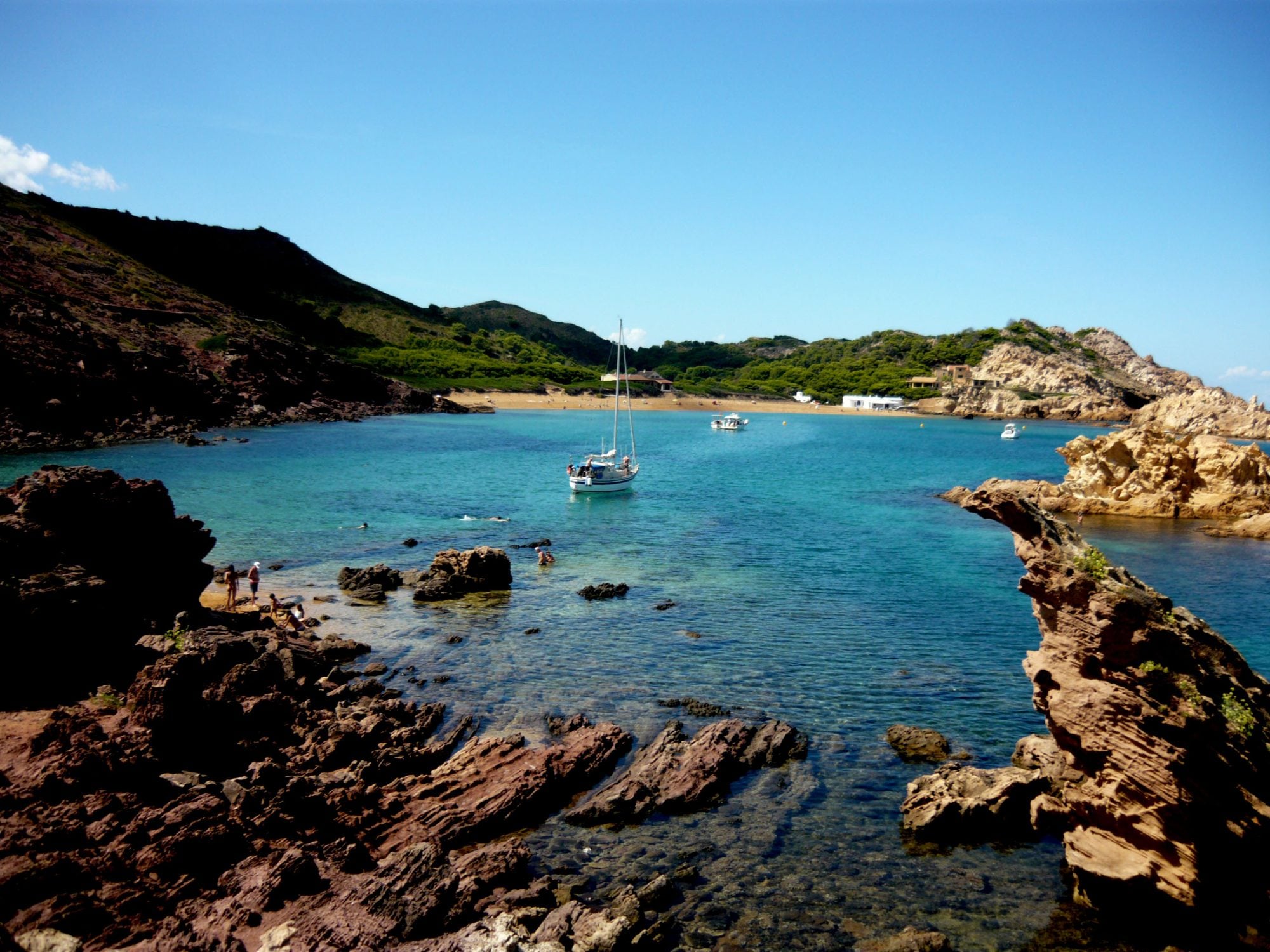
Beaches and coves
An unspoilt cove in the north with reddish sand and rocks and islets off the shore. You reach it on foot from Binimel·là in about 35 minutes.
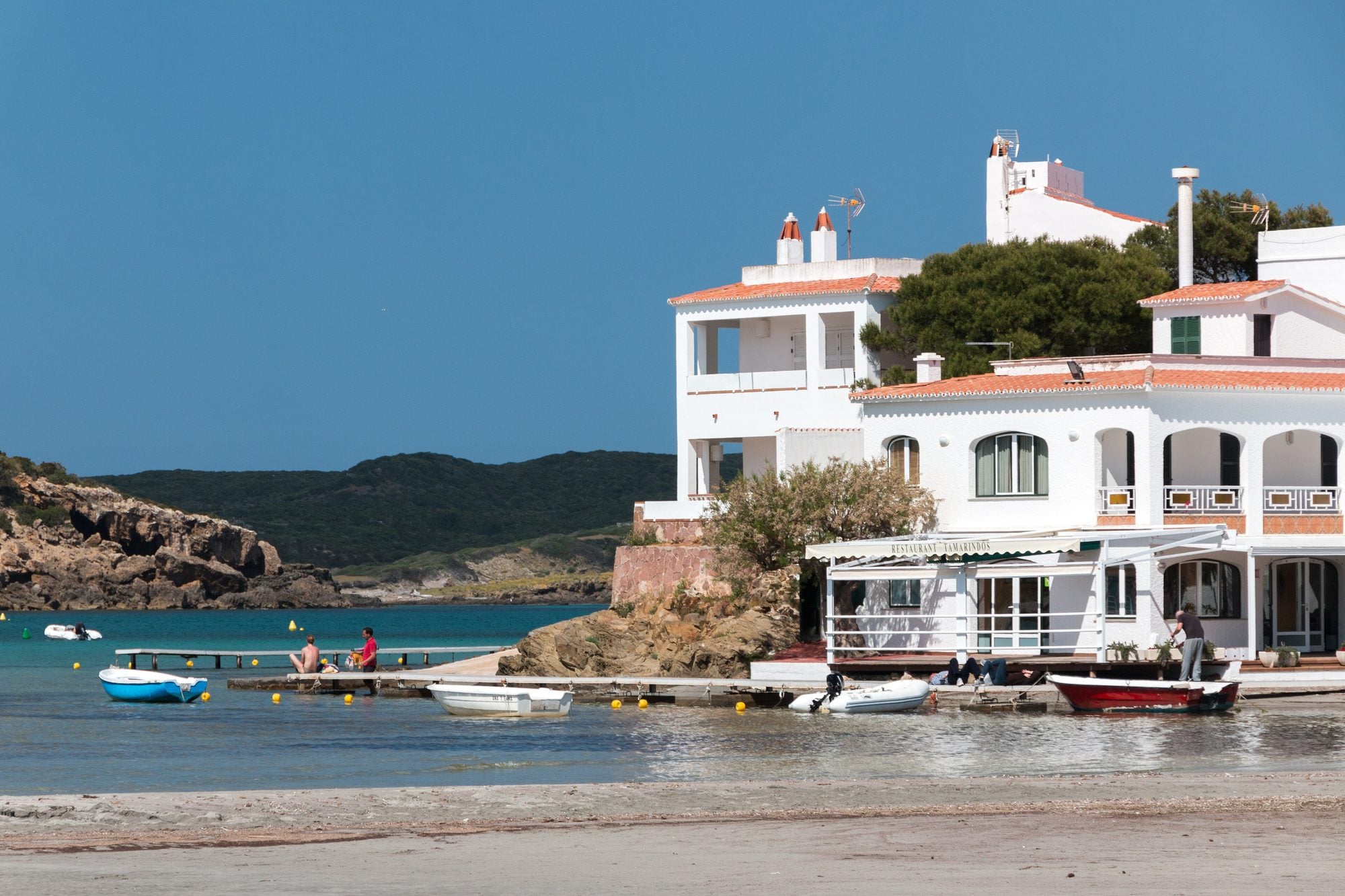
Beaches and coves
A small fishing village with a very calm, shallow beach, the gateway to the s’Albufera des Grau Nature Park.
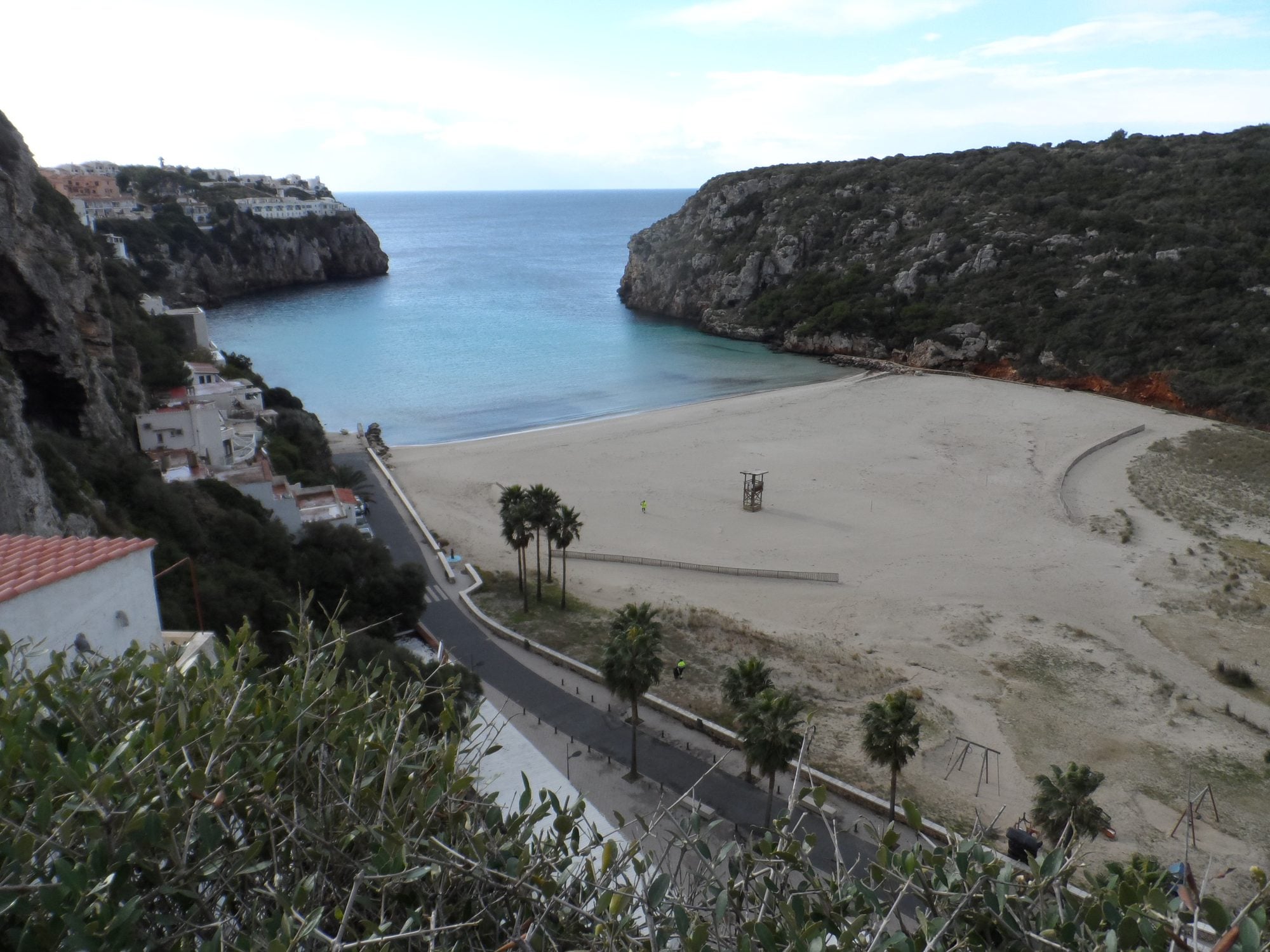
Beaches and coves
A sandy beach between two high cliffs, with facilities, on Alaior’s south coast. The Cova d’en Xoroi is in one of the cliffs.
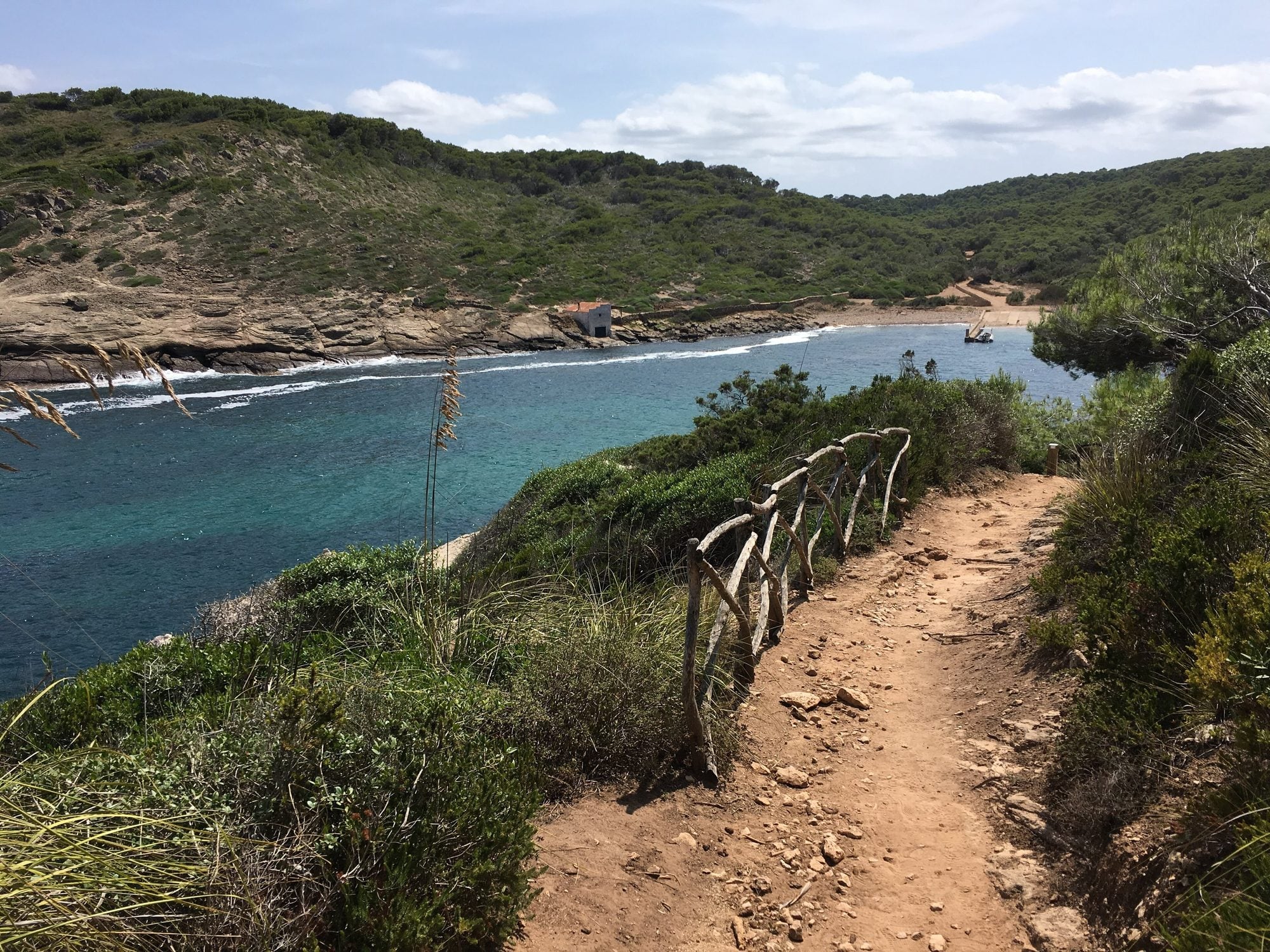
Nature and hiking
The historic path that circles Menorca along the coast: 185 km in 20 waymarked stages. It links coves, lighthouses and defence towers.
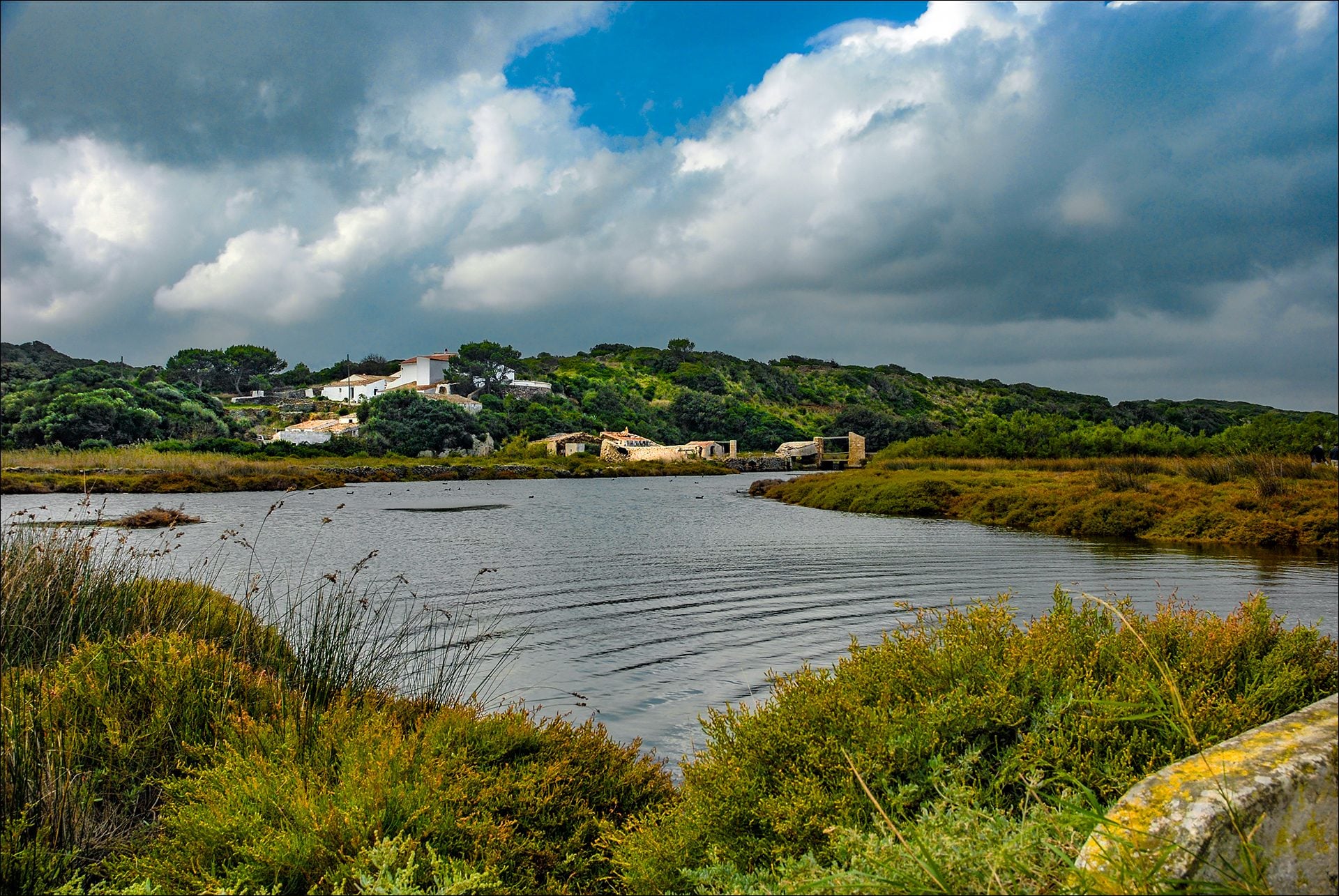
Nature and hiking
The heart of the Menorca Biosphere Reserve: a lagoon, dunes, woodland and coast with waymarked trails and birdwatching hides.
Nature and hiking
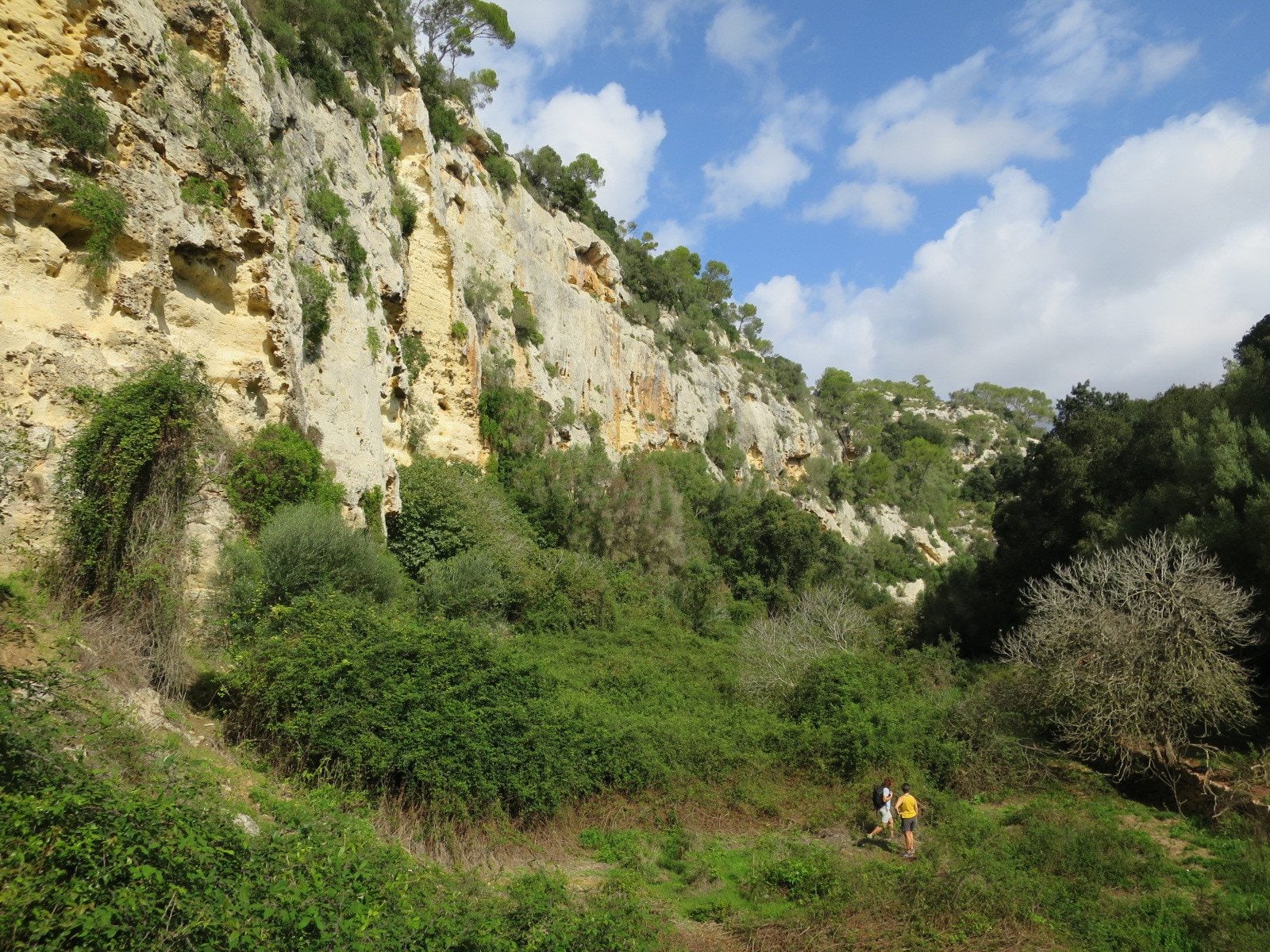
One of Menorca’s longest gorges, between Ferreries and Cala Galdana: rock walls, orchards and a small stream with water almost all year.
Food and local markets
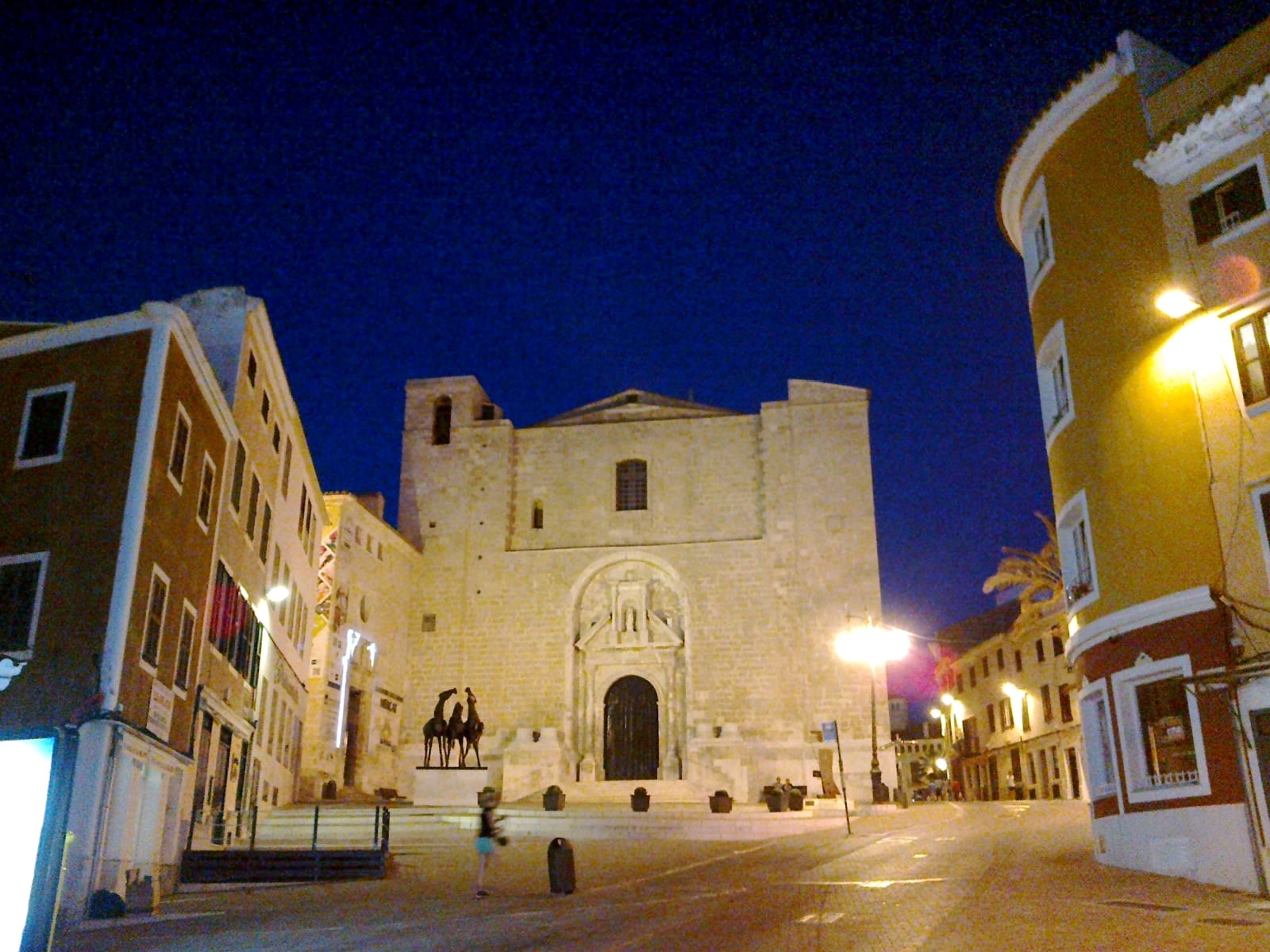
Maó’s market, in the cloister of the former Carme convent, with stalls of local produce; next door, the fish market with tapas counters.
Food and local markets
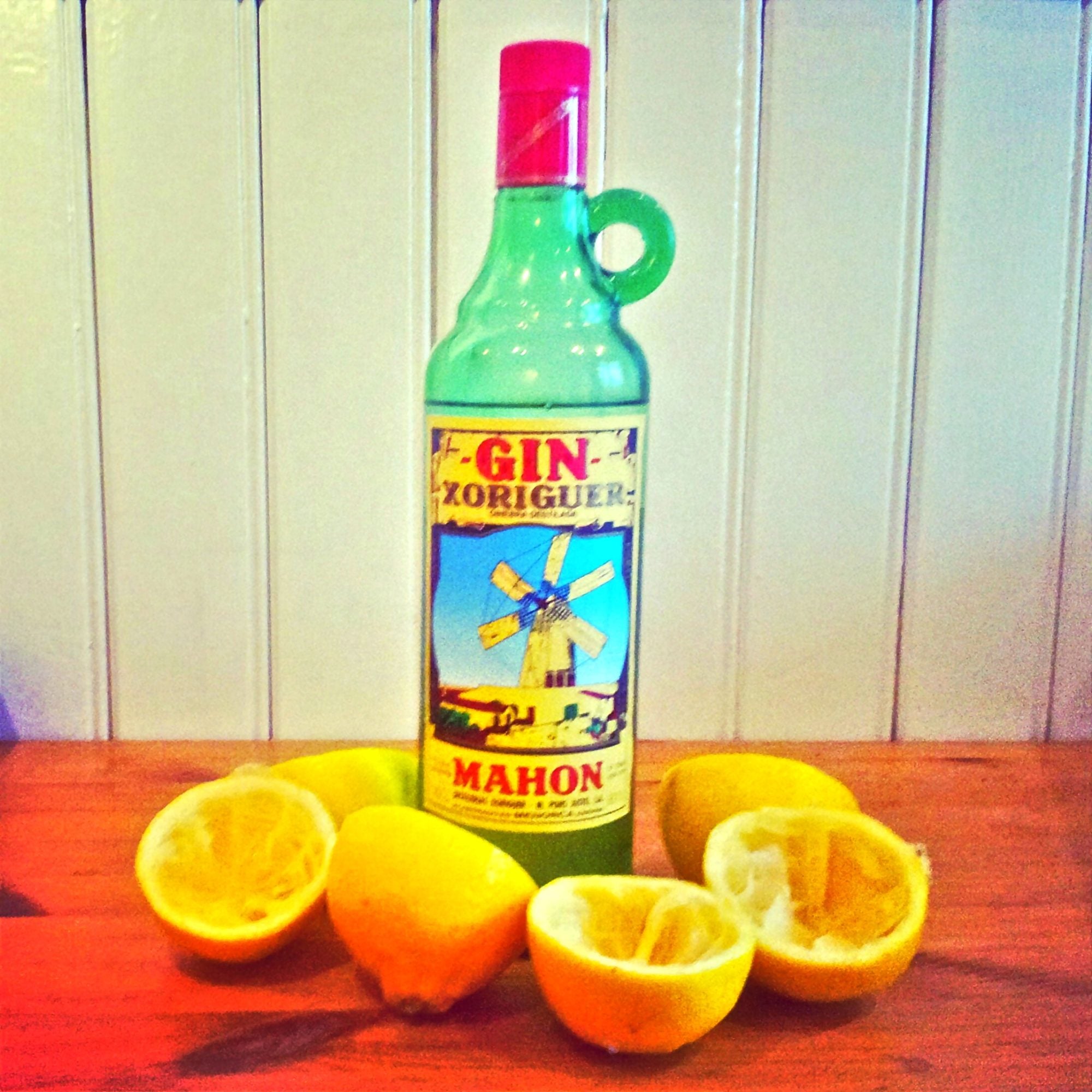
The Mahón gin distillery, facing the harbour: you see the stills, and in its shop you can taste the gin and pomada.
Food and local markets
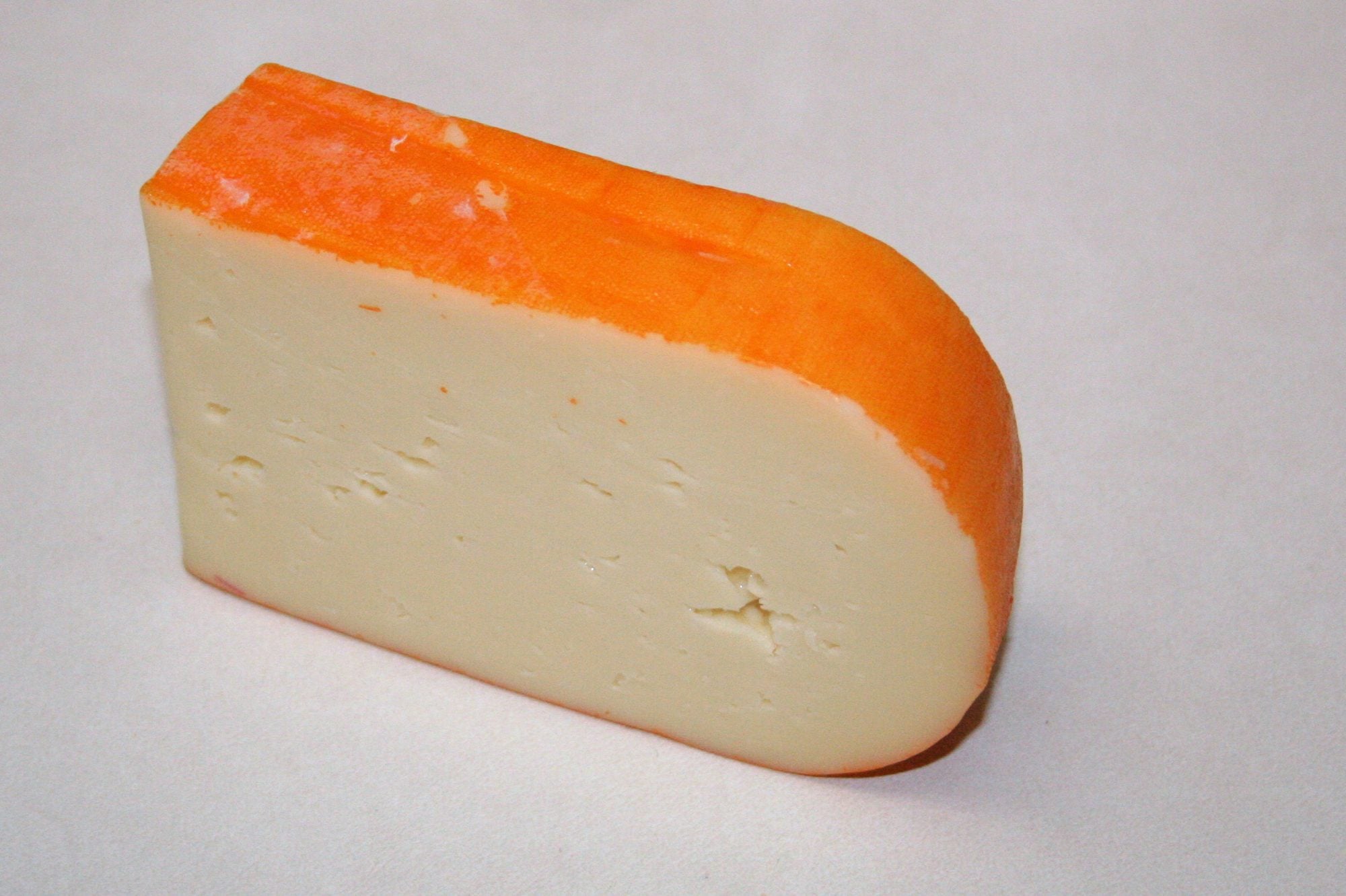
A cheese dairy, winery and garden on a farm in Ferreries where Mahón-Menorca cheese with Designation of Origin is made. Guided visits with a tasting.
Nightlife and leisure
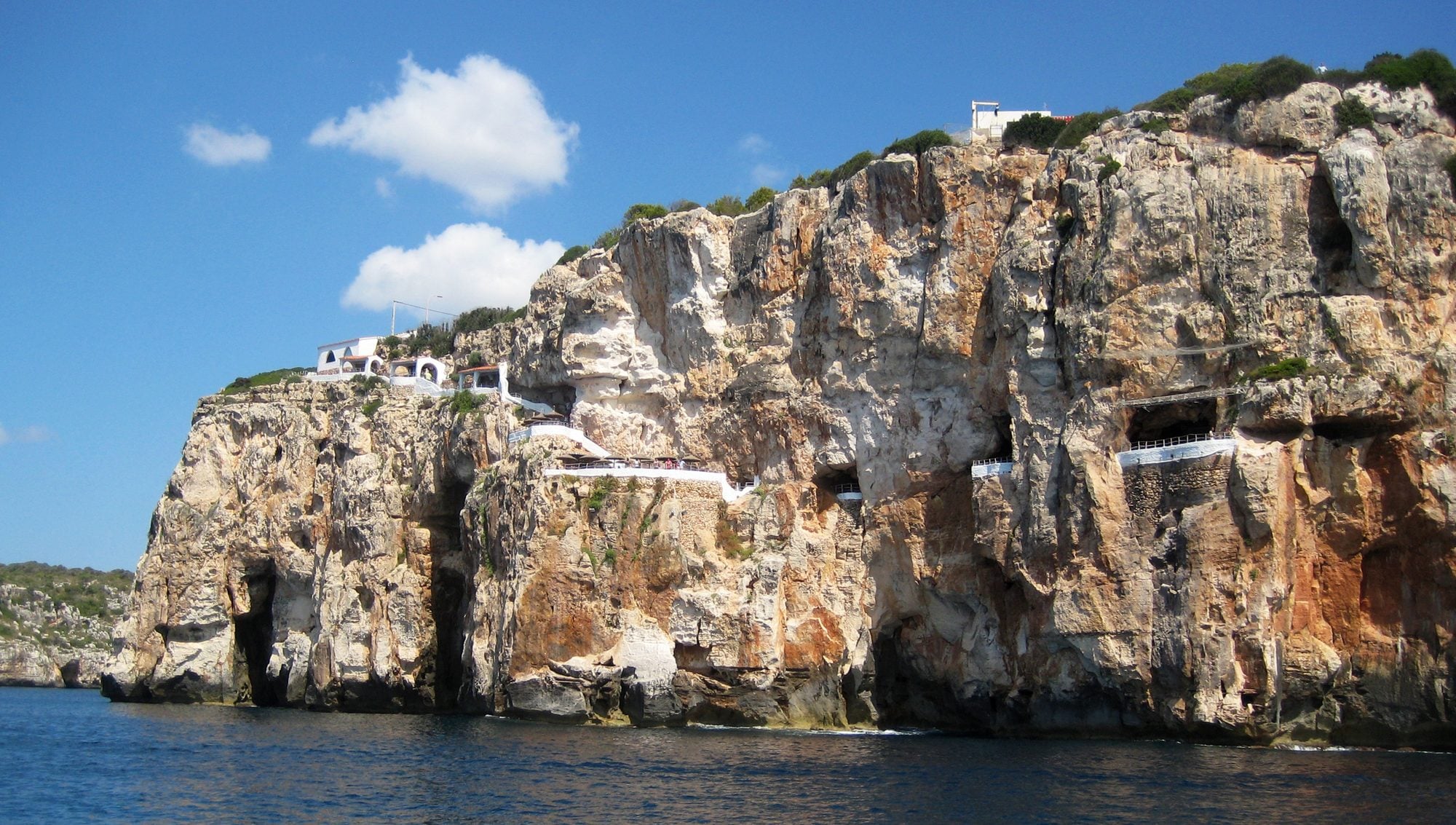
A natural cave halfway down the Cala en Porter cliff turned into a bar with terraces over the sea to watch the sunset, and a club at night.
Nightlife and leisure
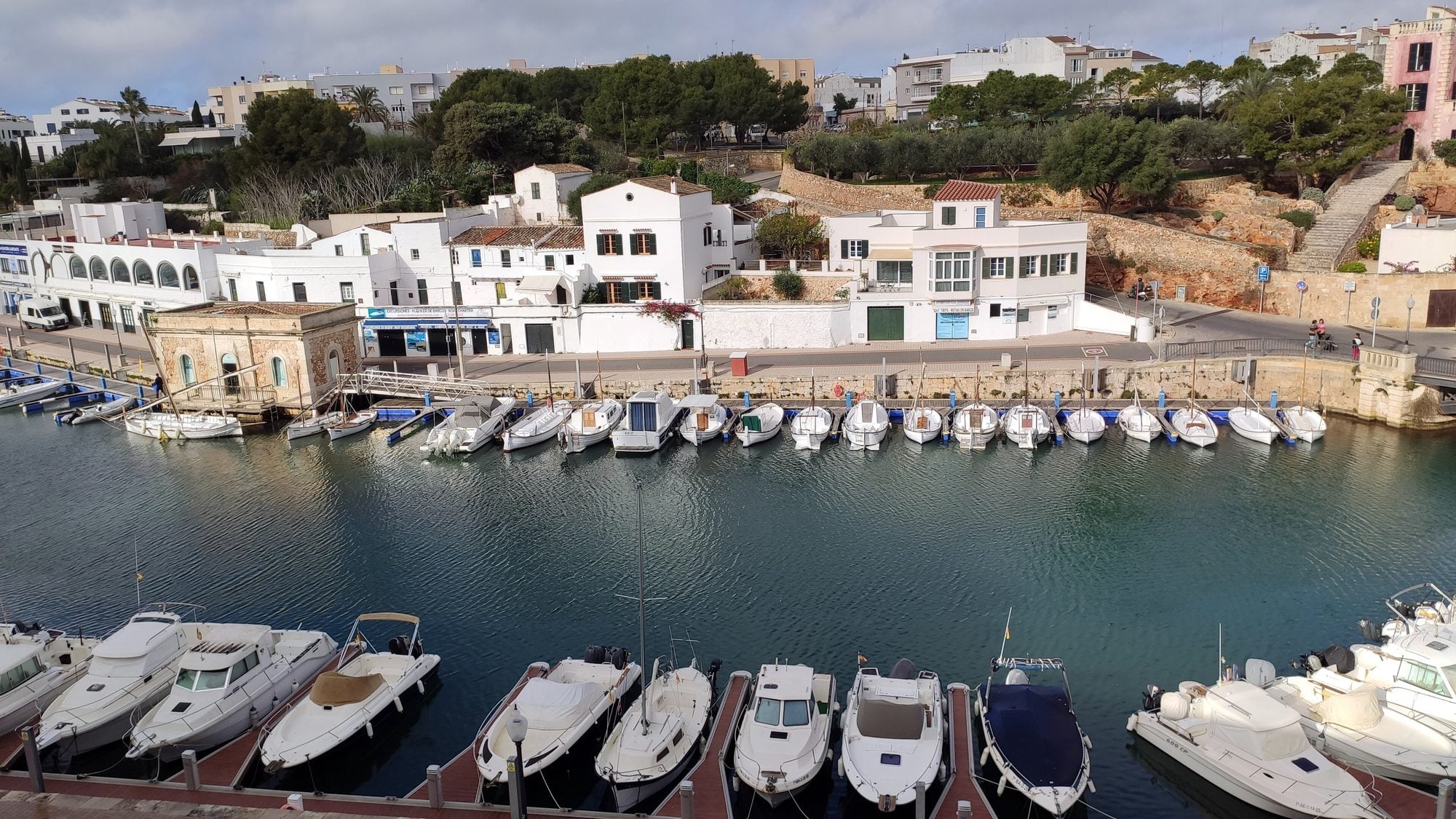
Ciutadella’s narrow, elongated natural harbour gathers terraces, restaurants and cocktail bars: where people dine and go out in the west of the island.
Nightlife and leisure
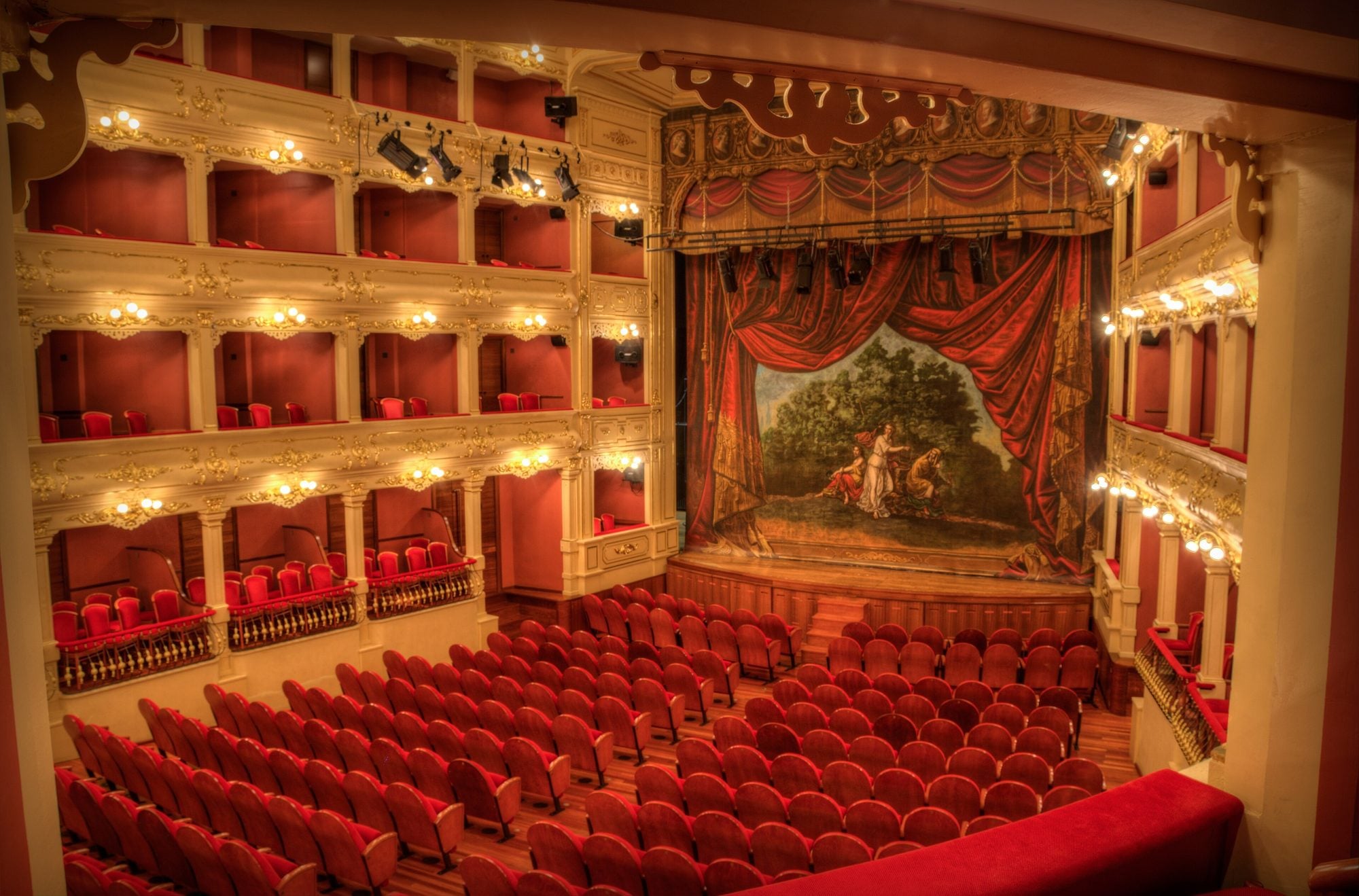
Spain’s oldest opera house, opened in 1829. It programmes opera, concerts and theatre all year round.
Our guide to things to do in Menorca sorts the island by category, starting with what people look for most.